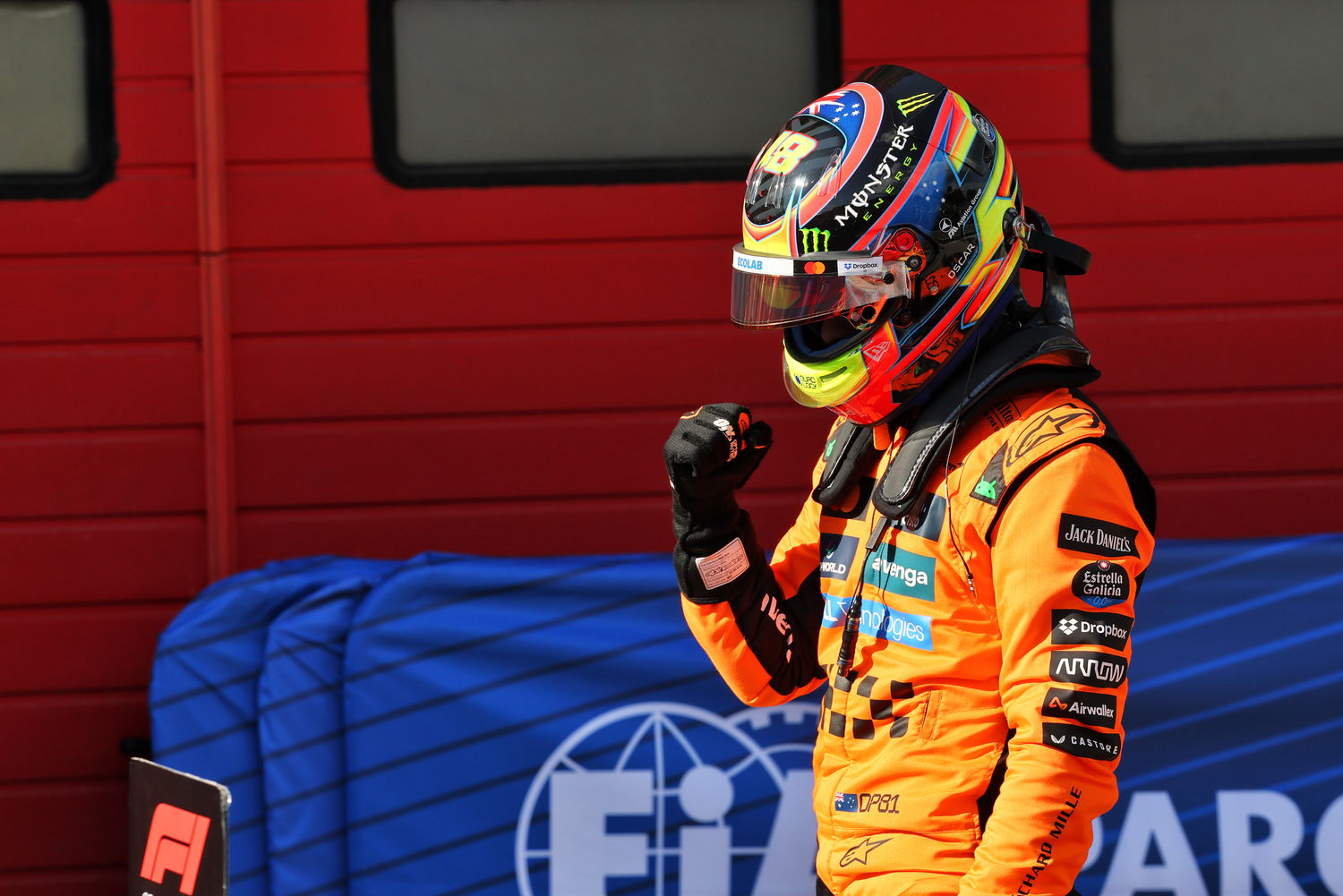
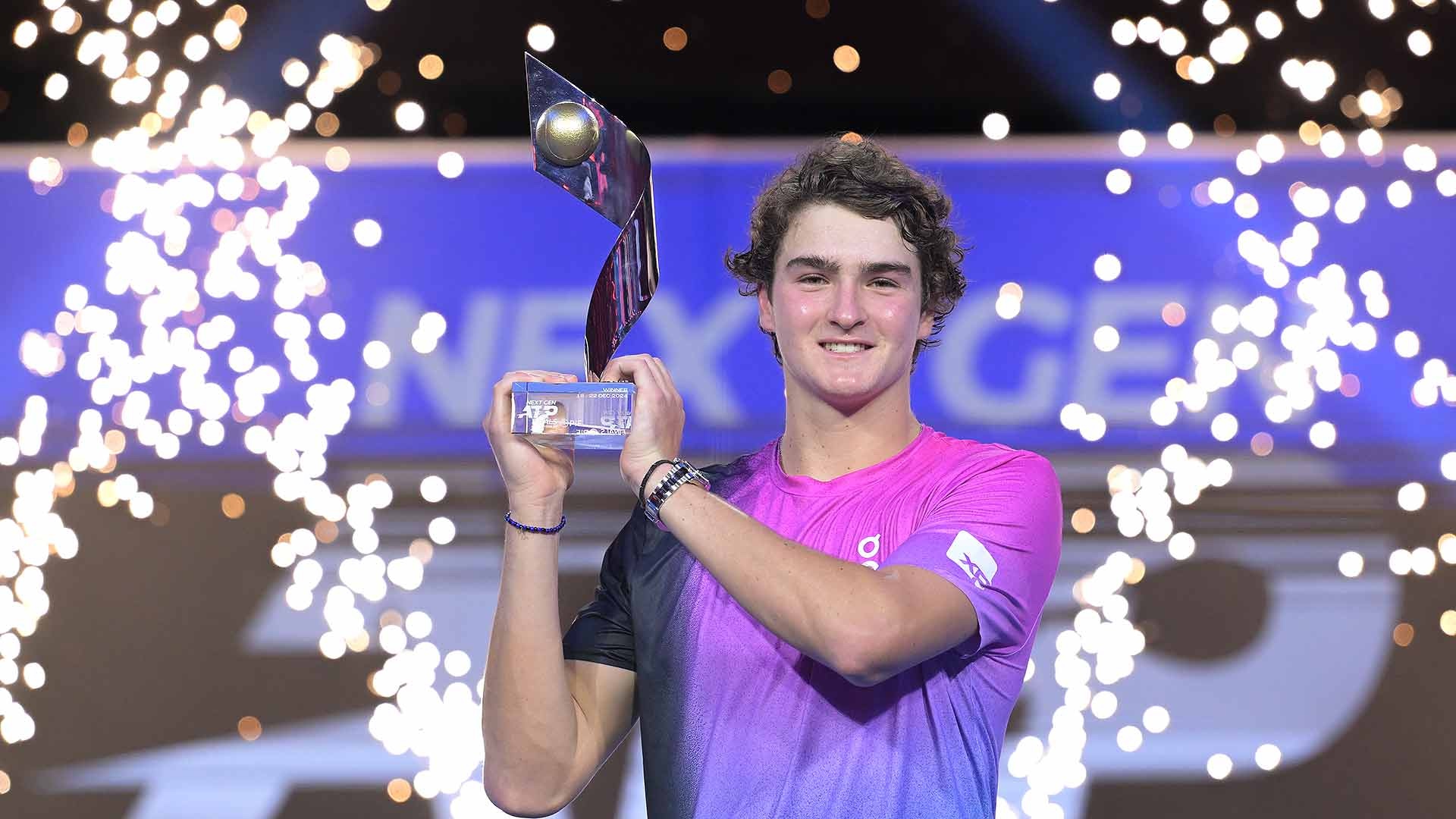
A Name To Remember: Learner Tien, the Next Gen ATP champion in Jeddah
2025 Next Gen ATP: Finals
2025 has marked a year of clear growth for Tien. He captured his first ATP 250 title at the Moselle Open in November, defeating Cameron Norrie in Metz (France), and produced his best Grand Slam performance at the Australian Open in January, reaching the fourth round. Milestones he has ticked off in part thanks to a change in coaching, with a new team led by former world No. 2 Michael Chang.
Tien’s work has gathered real momentum in 2025. With just three weeks until the Australian Open, his name will assuredly remain in focus, and expectations will inevitably rise. The question now is whether the 20-year-old can use this Next Gen ATP triumph as a springboard beyond the fourth round. A potential showdown with former Next Gen champions would offer a compelling measure of just how far he has come. One suspects that both Tien and Chang are already asking the same question: will 2026 be the breakthrough year? With his name heating up and expectations rising, can Tien move beyond João Fonseca and establish himself as the next generation top contender?
This past week has been an enjoyable one, marked by top-level performances — from Alexander Blockx smashing past less experienced opponents, to Learner Tien once again showing why he reached last year’s final, only to fall to João Fonseca. Yet you may be wondering: how did the 20-year-old American-Vietnamese Tien lose his opening match to Rafael Jódar of Spain and still progress all the way to the final?
The answer lies in the Next Gen ATP’s subtly adjusted format. The tournament draw was not built around straight knockouts. Instead, players were split into two groups — Red and Blue — with the top two ranked players (based on points earned during the 2025 season) placed in separate pools. The structure differs from your traditional Grand Slam or Masters format: each player faces every other player in their group, with the top two advancing to the semi-finals. That is how Tien remained in the game and earned his route back to the final stage of the tournament. That, and his talent for comebacks.
Rules were changed, and tennis felt different. While the organisers stated that every match would be played as a best-of-five-set encounter, it was the first player to reach four sets who advanced — no extra, sixth set contemplated. Another curious rule at the Next Gen ATP was the use of a deciding point at 40–40: the server could choose to play a single, sudden-death point instead of a traditional deuce. In other words, hold or break — and the game was over. No endless deuce exchanges. Strange, right?
While other tweaks to main-tour rules were also in place (you can find them here), the real question that remained to be answered is, why?. To put it simply, the Next Gen ATP is the ATP’s laboratory for innovation, designed to entice younger audiences into the sport. Do Gerard Piqué’s changes to the Davis Cup ring a bell? It’s not quite the same approach, but the intention is similar — to shape a competition where shorter matches, younger players and adapted rules speak to the next generation of tennis fans. Whether that goal has been fully met remains open to debate, but at the heart of these experiments lies a clear ambition: to help tennis grow beyond its ageing core audience.
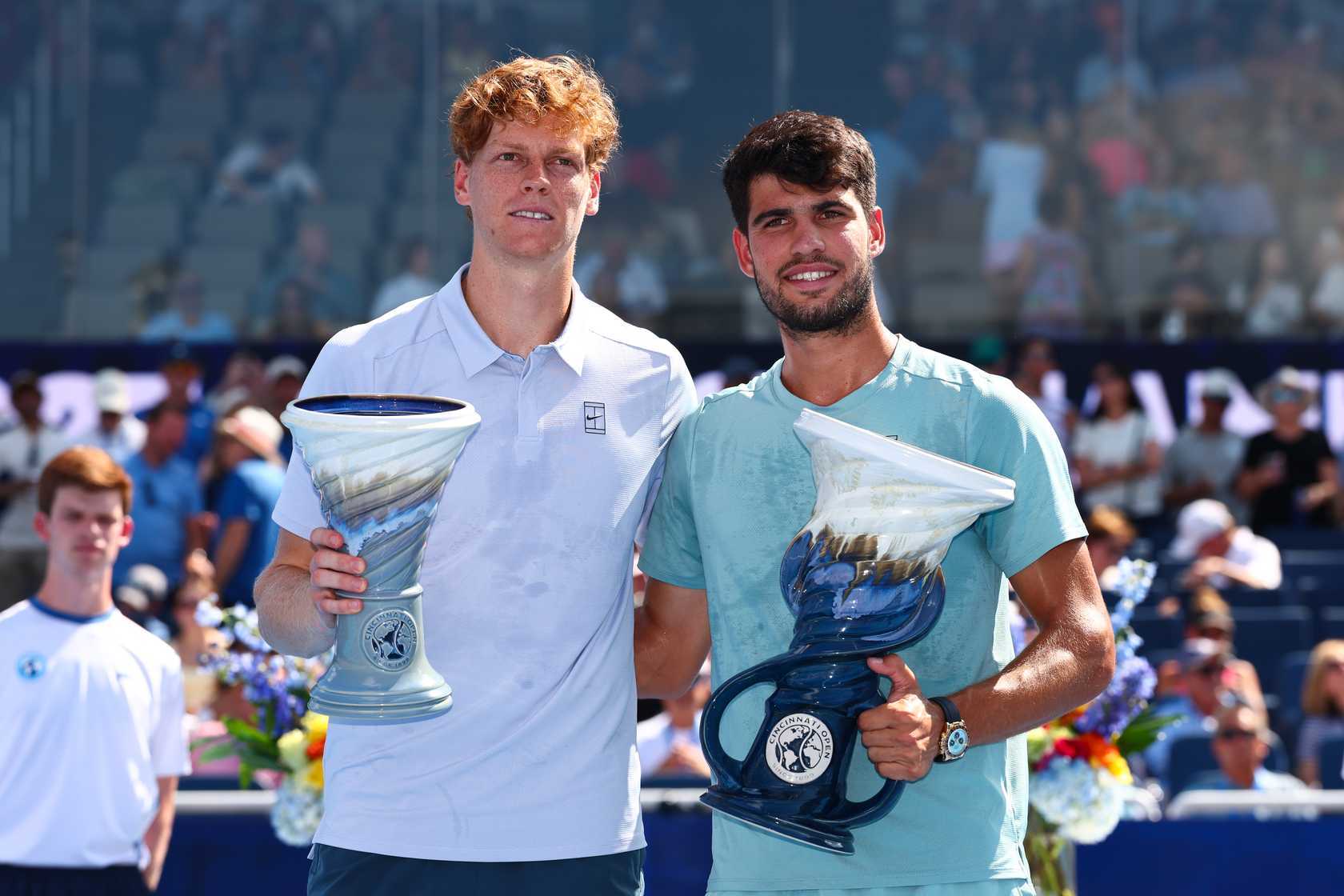
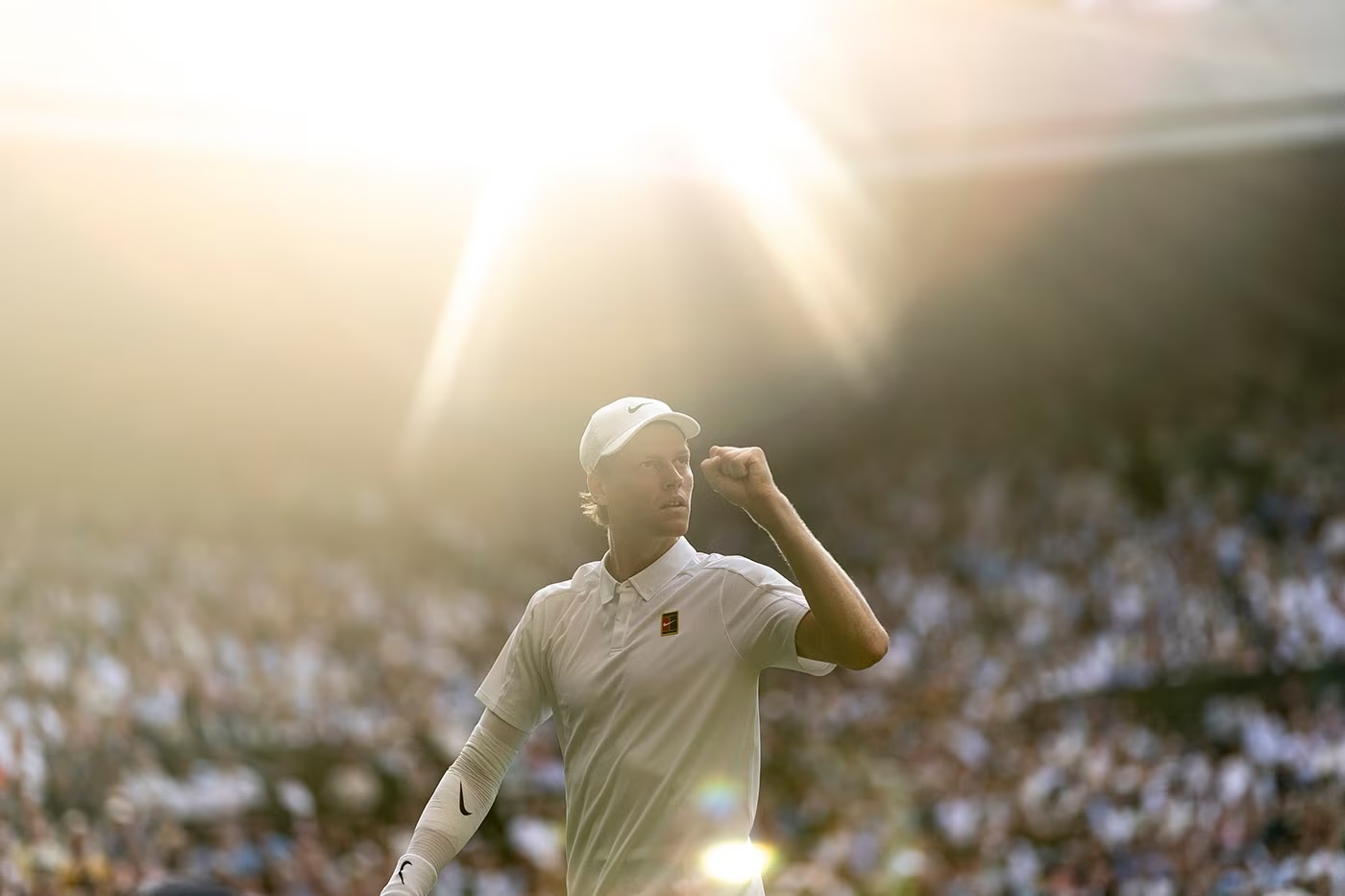
Under the watchful gaze of Rafael Nadal, Tien delivered a dominant, one-sided performance against the tournament’s second seed, the explosive Alexander Blockx. The final score read 4–3, 4–2, 4–1 in favour of the American, who sits 87 places higher in the rankings and now joins the lineage of champions once held by Alcaraz and Sinner.
Learner Tien beat Alexander Blockx to win the 2025 Next Gen ATP Finals in Jeddah, capping a breakout season under coach Michael Chang.
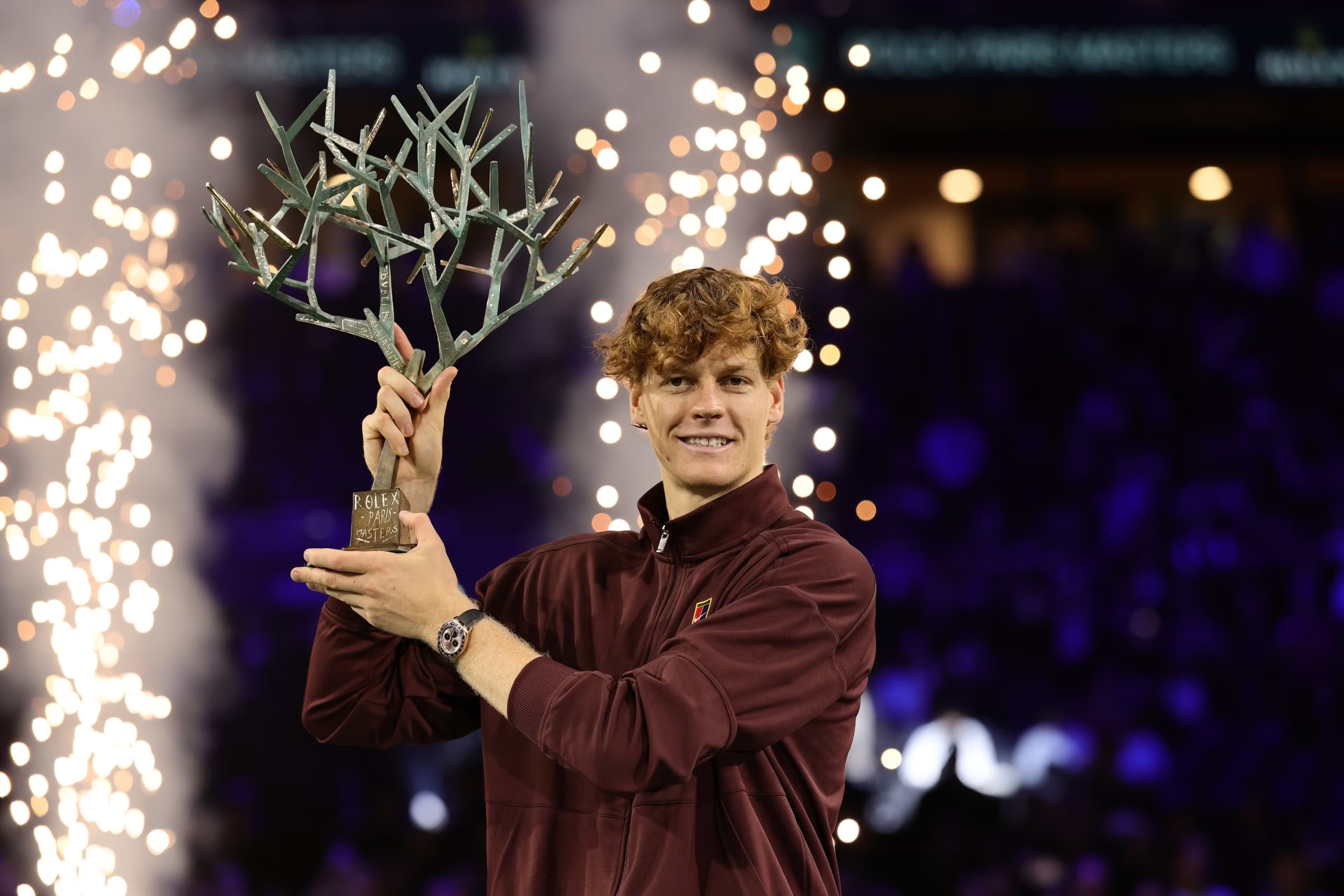
Jannik Sinner wins the Rolex Paris Masters and claims back World No. 1 status
2025 Rolex Paris Masters: Final
Earlier today, Carlos Alcaraz reclaimed the top spot. Tennis rankings operate on a 52-week rolling system, meaning players drop the points earned at the same tournament a year earlier. For Sinner, that means losing the 1,500 points collected from winning last year’s Finals. For Alcaraz, this will shed only the 200 points he earned after failing to progress beyond the group stage.
Heading to Turin, Sinner is the clear favourite to lift the trophy — yet that alone may not be enough to finish the year on top. The equation is simple: if Alcaraz reaches the final, he retains the No. 1 ranking, no matter what Sinner does. The Italian, therefore, must win the title and hope Alcaraz falls short. A tall order, perhaps — unless the Spaniard surprises us again with the same fire he showed against Norrie, or his body reminds him how long this season has truly been.
The Nitto ATP Finals will take place in Turin from 9 to 16 November, with the final qualifying spots still up for grabs.
Jannik Sinner beat Felix Auger-Aliassime to win the Rolex Paris Masters and reclaim the world No. 1 ranking from Carlos Alcaraz.
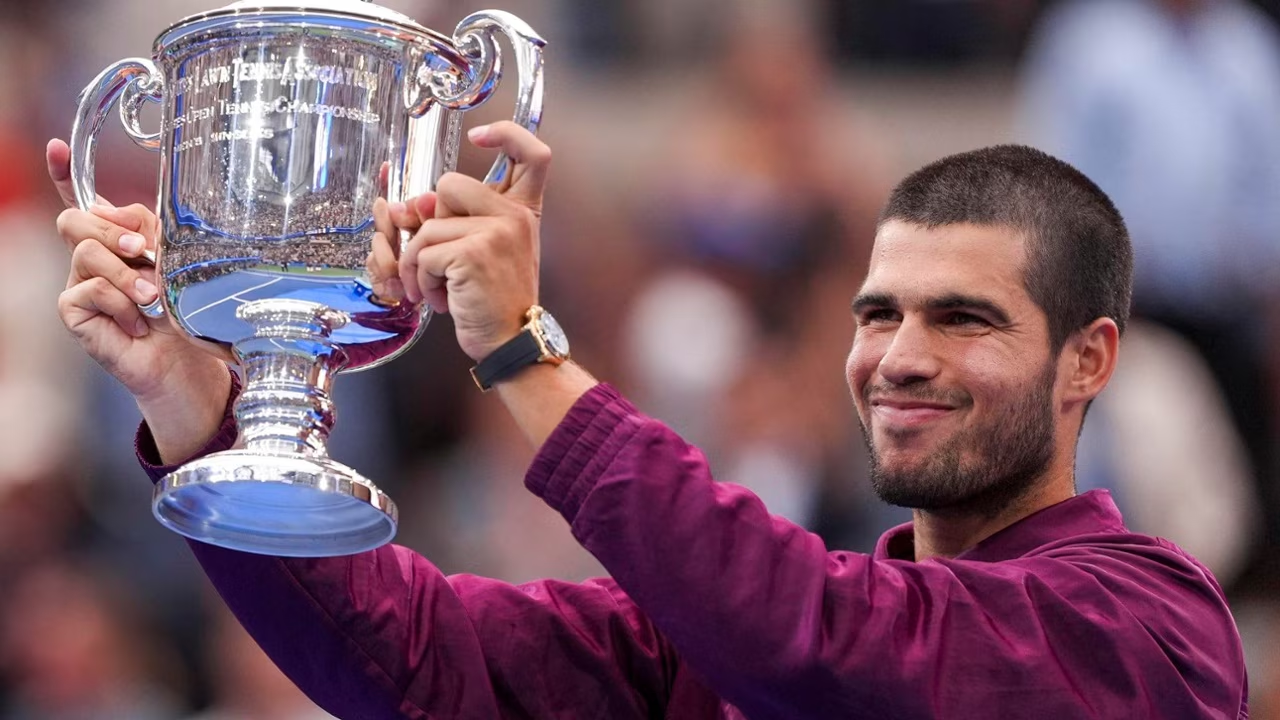
Carlos Alcaraz powers past Sinner to reclaim World No.1 at the US Open
2025 US Open
In recent interviews, coaches and former players have praised Sinner as the more consistent and complete of the two. Yet on Sunday, it was a defining trait of Alcaraz — both in his game and his personality — that tipped the balance: versatility and unpredictability. Sinner himself admitted in the press room that he had been the predictable player, while Carlos was exactly the opposite. Something Carlos’ coach, Juan Carlos Ferrero, underlined at the press conference too: Alcaraz is “chameleonic” — able to adapt any part of his game when the moment demands it.
In this rivalry tilted towards Carlos, it is his tennis that deserves praise: a game built on variety and versatility, where talent meets willpower to adjust, learn from mistakes and grow sharper with each passing season. Sinner may be a machine — relentless on and off the court — but Alcaraz is a polyvalent magician, capable of stirring something unique in crowds and fans across the world. Olé, Carlos!
Carlos Alcaraz dismantled Jannik Sinner in the 2025 US Open final, closing out the last Grand Slam of the year in dominant fashion.

Alcaraz and Sabalenka into the US Open Quarterfinals as Sinner and Swiatek face challenging tests
2025 US Open
In the day session, Iga Swiatek and Coco Gauff are the other names to watch. Swiatek, the world No.2, hasn’t yet hit her top level but remains firmly in the hunt for another final. Gauff, meanwhile, has carried the weight of expectation as the home crowd’s brightest star. The pressure told early in the week against Donna Vekic, when she was reduced to tears and on the verge of a panic attack. Yet she has steadied herself and now faces Naomi Osaka (23), the former US Open winner. It promises to be a headline night on Arthur Ashe Stadium — an All-American atmosphere for a decisive clash.
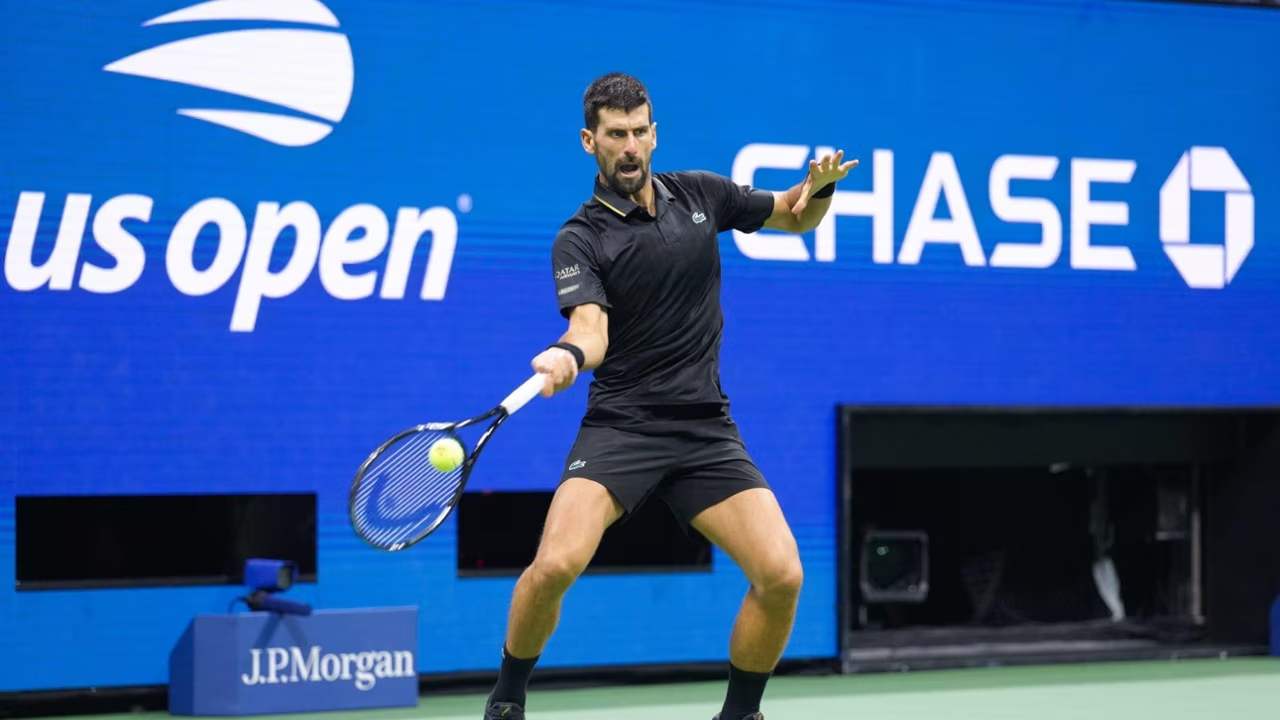
Headlining the night session is defending champion Jannik Sinner. After shaking off the illness that troubled him in Cincinnati, he opened the tournament smoothly with a straight-sets win over Alexei Popyrin (6-3, 6-2, 6-2). His third-round clash with Denis Shapovalov, however, was a far more difficult test. Sinner dropped the opening set on a double fault before steadying to take the second 6-4. In the third, Shapovalov raced to a 3-0 lead and threatened an upset, but Sinner responded with a flurry of dazzling points to steal the set and then controlled the fourth to seal the win. What looked like a scare became one of the matches of the week. Next up is Alexander Bublik — dangerous, unpredictable, and the man who beat Sinner at Halle earlier this season.
Carlos Alcaraz and Aryna Sabalenka advanced to the US Open quarterfinals as Jannik Sinner and Iga Swiatek face tougher tests.
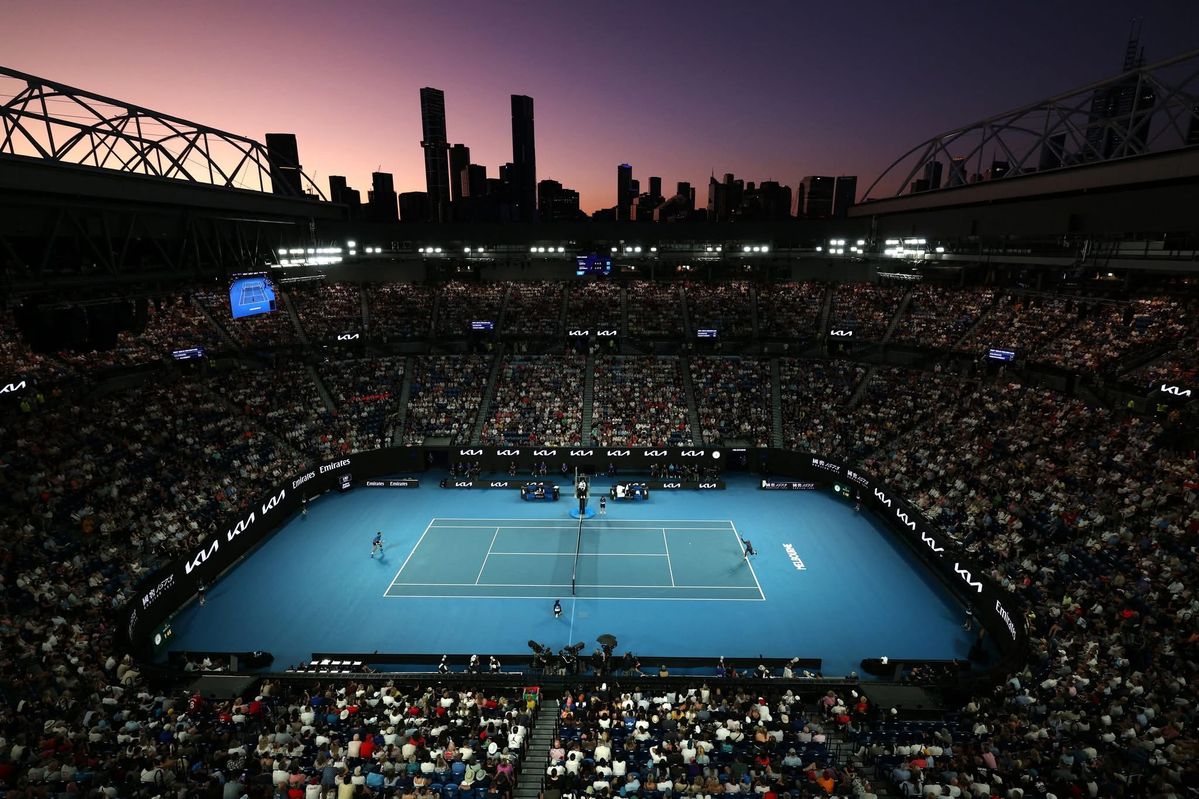
5 shocking US Open upsets that crowned new champions
2025 US Open
2014 was one of the most contested years for the Big Three. Stan Wawrinka had stunned Nadal to win the Australian Open and later that season, the US Open produced something unseen since 2005: a Grand Slam final without Federer, Nadal, or Djokovic. Nadal was sidelined with a wrist injury, Federer fell to Marin Cilic in the semifinals 6–3, 6–4, 6–4 and Kei Nishikori ousted Djokovic on the other side of the draw 6–4, 1–6, 7–6^(7–4), 6–3.
For the first time, the US Open would feature an Asian player in the final — and a Croatian who had just returned from a 2013 doping ban. In the championship match, Cilic delivered the performance of his life. Behind booming serves and relentless baseline hitting, he overpowered Nishikori 6–3, 6–3, 6–3 to claim his maiden Slam. With it, he became Croatia’s first US Open champion, etching his name into the history of Flushing Meadows and Croatian sports history.
As we head into the final week of the 2025 US Open, one question lingers: will this year’s tournament deliver yet another upset?
If there’s one player who perfectly embodies the Sandwich Generation — and whose recent struggles we’ve witnessed, bowing out in the first round of the 2025 US Open — it’s Daniil Medvedev. Born in Moscow and based in Monaco, Medvedev has always been capable of reaching extraordinary heights. He has contested six Grand Slam finals (four against Djokovic, two against Nadal), captured six Masters 1000 titles, and in February 2022 became World No. 1 — just before Sinner and Alcaraz began outplaying him.
But rewind to 2021, when Djokovic was chasing immortality. The Serbian had already won the Australian Open, Roland Garros, and Wimbledon, arriving in New York with a chance to complete the calendar Grand Slam. Standing in his way was the world’s No. 2, Medvedev. That night in Arthur Ashe, the Russian delivered the performance of his life. He broke Djokovic early and took the first set 6–4 behind immaculate serving. He repeated the scoreline in the second, his flat forehand driving through the court and keeping Djokovic on the back foot. Suddenly, Medvedev was one set away from his first major, and Djokovic’s dream was crumbling. Even as the champion tried to summon a fightback, Medvedev was unshakable. On his third championship point, he unleashed a 129mph serve, sealing a straight-sets victory: 6–4, 6–4, 6–4. In just over two hours, he denied Djokovic’s bid for history and claimed his first Grand Slam title — a triumph that defined his career.
Few players can claim a winning record against Novak Djokovic in ATP finals. In fact, only two men ever have: Andy Murray, often called the ‘fourth’ member of the Big Three, and Stan Wawrinka, who holds a 3–2 edge over the Serbian in title matches.
Wawrinka’s legacy is built on three Grand Slams in just three years — the 2014 Australian Open over Nadal, the 2015 Roland Garros over Djokovic and, in 2016, his greatest encore. Ranked World No. 3 heading into the US Open final, Wawrinka had already dismissed Juan Martín del Potro in the quarters and Kei Nishikori in the semis. His one-handed backhand, the envy of the tour, was in full flow. Across the net, Djokovic, the defending champion and World No. 1, was ready for another battle.
The opening set went to Djokovic, clinched in a tense tiebreak. Wawrinka struck back in the second, and the third became a knife fight — Wawrinka pushing ahead, Djokovic clawing back, until the Swiss broke serve late to move within one set of the title. In the fourth, Wawrinka closed with brilliance. Precision off both wings, fearless backhands skimming the lines, and relentless aggression left Djokovic chasing shadows.
Wawrinka sealed the match 6–7, 6–4, 7–5, 6–3, earning a heartfelt embrace from the champion he had just dethroned. It was his third Slam in three years, proof that on his day, the quiet Swiss could shake even the mightiest throne.
Roger Federer lifted his first US Open trophy in 2004. By 2009, he had made the tournament his personal kingdom — winning five straight editions and standing shoulder to shoulder with Pete Sampras and Jimmy Connors as the Open Era’s greatest champions in New York. But every reign has its downfall. And for Federer, the end of his US Open dominance came at the hands of a towering 1.98m Argentine with thunder in his racket: Juan Martín del Potro.
Del Potro, born in the hill city of Tandil, had already marked himself as special. He cracked the Top 10 in 2008 at just 19, riding a remarkable 23-match winning streak. By 2009, he had beaten Rafael Nadal in Miami, reached the Roland Garros semifinals and demolished Nadal again in New York (6–2, 6–2, 6–2) to set up a final against 28-year-old Federer as the World No. 6.
What followed was an epic that has entered US Open folklore. Federer, who had won all six of their previous encounters, looked set to extend his rule: he took the opening set, then watched del Potro snatch a tight second-set tiebreak. The Swiss regained control in the third, but the Argentine refused to fold. Down the stretch, Federer twice came within two points of victory, only for del Potro to drag him into a fourth-set tiebreak — and win it. In the decisive fifth, del Potro’s raw power finally overwhelmed the champion. Racing ahead 5–2, he sealed the match 6–2 on a Federer error, collapsing to the ground as Arthur Ashe erupted.
It was one of New York’s greatest upsets, the night an Argentine giant ended Federer’s reign — and the night Federer would lift his last trophy in Flushing Meadows.
It doesn’t get more iconic than two future Hall of Famers colliding under the lights: Pete Sampras vs. Marat Safin. The year was 2000, and across the net from Sampras — the US Open’s youngest champion at 19 and already a four-time winner in New York — stood a 20-year-old rising star from Russia.
Sampras, the defining figure of ’90s tennis, had amassed 14 majors in just 12 years, a record for his era. Enter the charismatic Safin. Born in 1980 and raised in Moscow’s southern Chertanovo district, he broke into the top 100 at just 18. Inspired by compatriot Yevgeny Kafelnikov, who delivered Russia’s first Grand Slam triumphs in 1996 (Roland Garros) and 1999 (Australian Open), Safin was determined to carve out his own legacy.
On that September afternoon, he did exactly that. In just 1 hour and 38 minutes, the fearless 20-year-old dismantled one of the game’s greatest champions, sweeping Sampras aside 6–4, 6–3, 6–3 in an unforgettable final. The victory propelled Safin to World No. 1, a spot he would hold for nine weeks, and etched his name into tennis history.
A look back at five shocking upsets from the 2025 US Open that broke the Sinner-Alcaraz dominance and crowned unexpected champions.
Sinner defends title, Cincinnati invests $260M in ATP’s most personal tournament
2025 Cincinnati Open
While many ATP tournaments jostle for the unofficial title of “fifth Grand Slam,” consensus still crowns Indian Wells. The numbers tell part of the story: in 2025, Cincinnati’s men’s champion will earn $1,124,380, compared to the $1,201,125 Jack Draper took home at Indian Wells, as noted by The Athletic’s James Hansen.
Cincinnati, however, plays a different game. It may lack the historic allure of Madrid or Rome or the sprawling spectacle of Miami, but it holds a strategic advantage: it’s the final Masters 1000 stop before the US Open. It’s a slot the tournament has leveraged with precision - and heavy investment.
In 2025, the event stretched from nine days to 14, expanded its singles draws from 56 to 96 players, and unveiled a $260 million transformation that doubled its footprint in less than a year. The upgrades deliver more matches, improved facilities, and an enhanced fan experience. Off the court, tournament director Bob Moran has made hospitality a signature - organizing player dinners, securing football tickets, and ensuring that, in Ohio, tennis feels personal.
Stay tuned in for updates from Ohio.
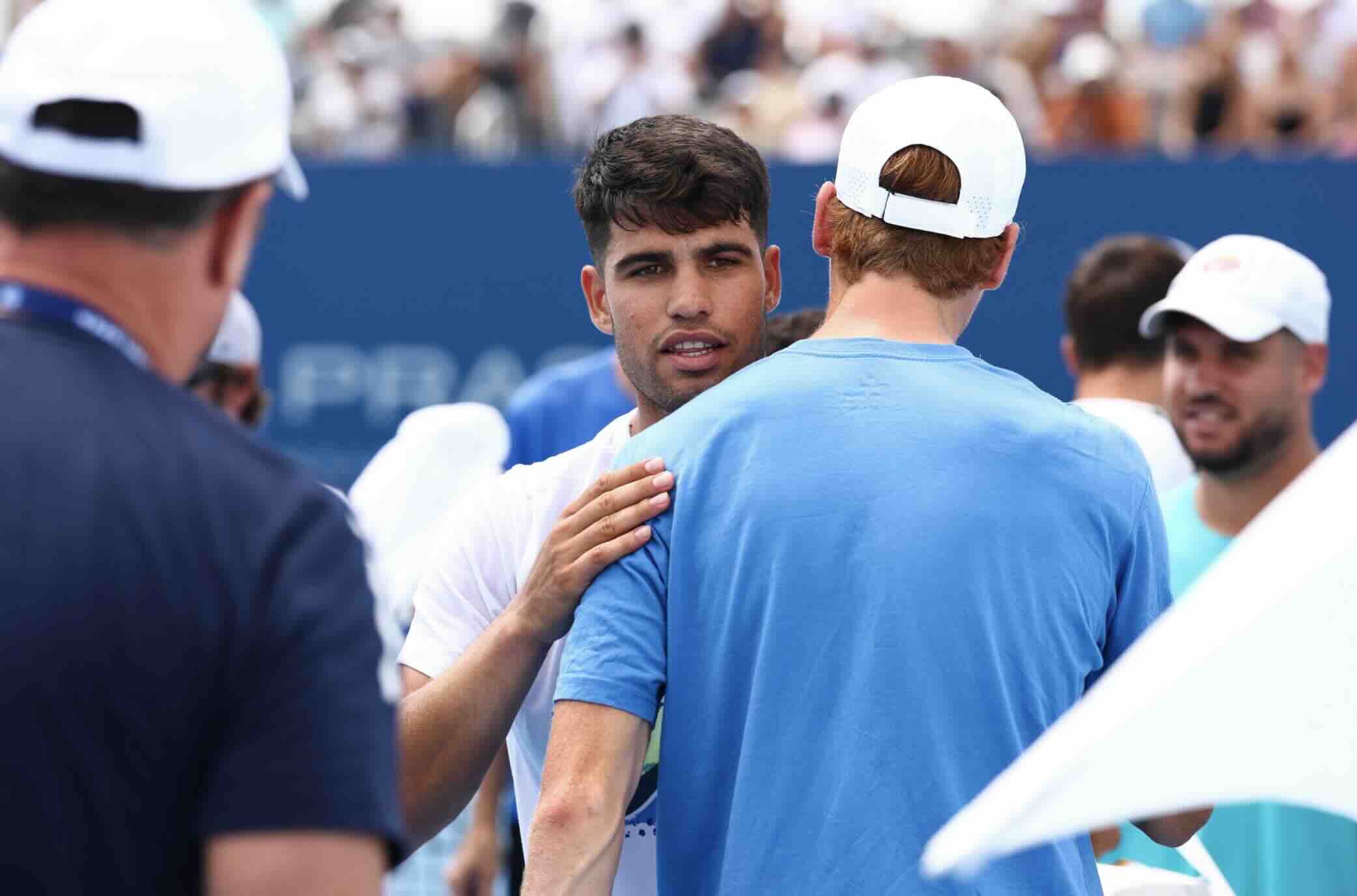
Jannik Sinner defends his Cincinnati Open title at the newly renovated Lindner Family Tennis Center ahead of the 2025 US Open.
Alcaraz and Sinner set stage for a Final of the new era
2025 The Championships, Wimbledon: Men’s Semi-finals
Sinner overwhelmed Djokovic in all aspects of the game: he was faster, stronger, he served better and made less mistakes. Yet, Djokovic gave his all throughout the tournament, beating youngsters such as Cobboli (No. 24) and De Minaur (No. 11) with wit and experience. But Sinner is a tennis machine, he seems to be everywhere, runs to every ball and serves perfectly. In the first set, the Italian led early from a serve break, which he asserted with strong-armed aces, that were trying to keep Djokovic from playing the ball. Some of Nole’s returns were similar to his game against De Minaur, as unnforced mistakes saw him lose points to the net or the side of the court.
Sinner overwhelmed Djokovic in all aspects of the game: he was faster, stronger, served better, and made fewer mistakes. Yet Djokovic gave his all throughout the tournament, defeating rising talents such as Cobolli (No. 24) and De Minaur (No. 11) with wit and experience. But Sinner showed once again he is the tennis machine.
In the first set, the Italian led early from a service break, which he consolidated with strong-armed aces designed to keep Djokovic from entering the point. Some of Nole’s returns resembled his game against De Minaur, as unforced errors saw him lose points to the net or wide. Set 2 told a similar story: Sinner went up 2-0 by breaking serve and placing exquisite shots, impossible for Novak to reach. The Serbian had little opportunity to counter Sinner’s serves.
Set 3 was the most exciting of this 1-hour 55-minute contest. After receiving brief attention for what appeared to be a muscle issue, Djokovic broke Sinner’s serve, with the Italian showing his first signs of vulnerability - hitting into the net and sending a lob out of bounds. At 2–0 for Nole, there was a glimpse of the Serbian’s signature resilience, a reminder that he can never be counted out. But the comeback was short-lived: Sinner broke Djokovic’s serve twice and forced the 24-time Grand Slam champion to chase balls with little success, ultimately leaving him without answers. The faster player was Sinner, who countered nearly every shot and controlled the set, outplaying Djokovic to reach his first Wimbledon final.
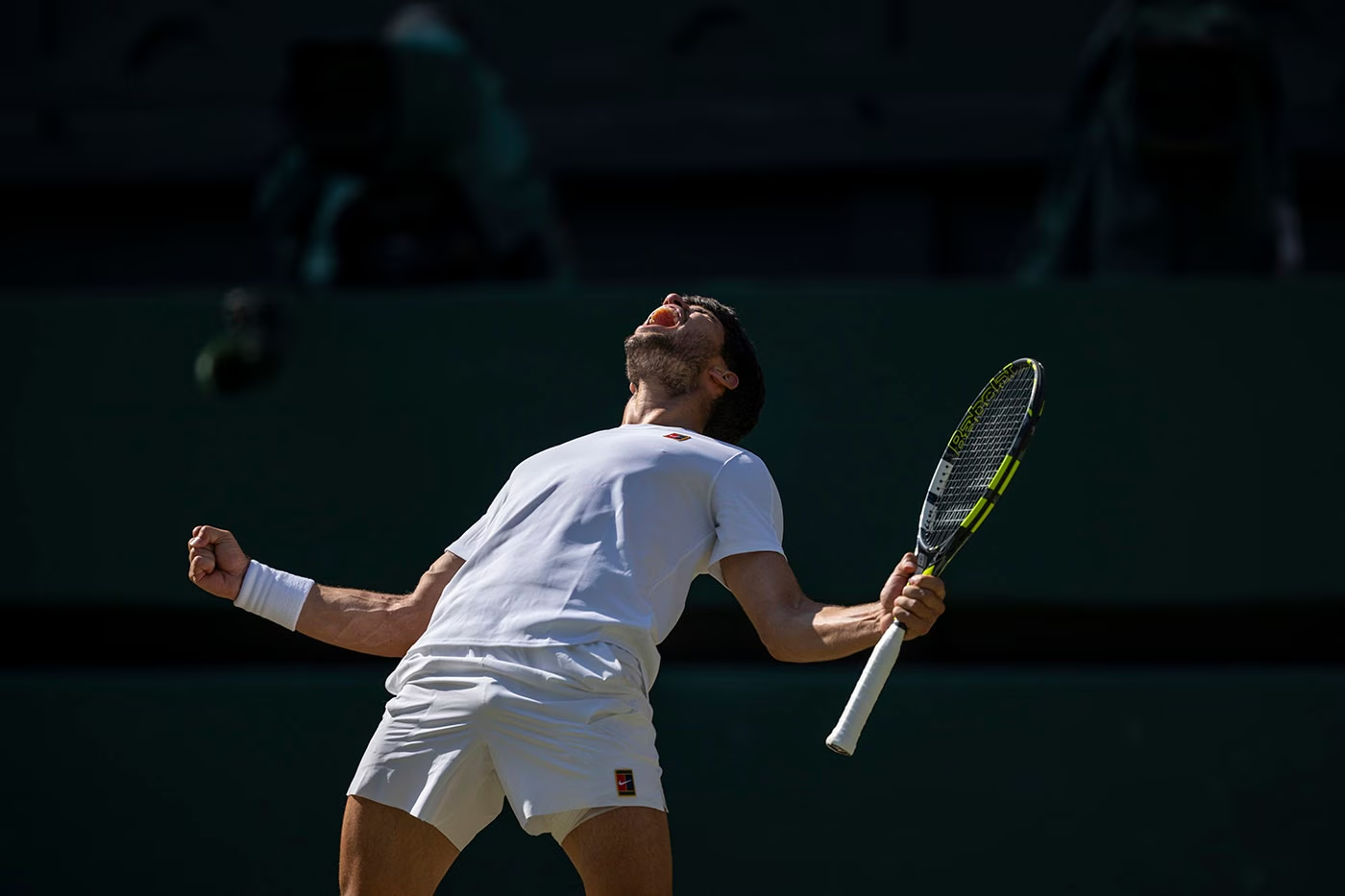
Sunday 13th, at 4 p.m. BST, Centre Court will host the Alcaraz vs. Sinner final in what promises to be an epic battle. For Alcaraz, it’s a chance to defend his title and cement his victories over Sinner in Paris and Rome. For Sinner, it marks his first Wimbledon final - an opportunity to overturn those defeats and finally add another Grand Slam trophy to his name in 2025.
Carlos Alcaraz beat Taylor Fritz and Jannik Sinner overcame Novak Djokovic to set up the 2025 Wimbledon men's singles final.
Anisimova stuns Sabalenka, Swiatek powers through to final
2025 The Championships, Wimbledon: Women’s Semi-finals
It was unusual to see Belinda Bencic, the world No. 35, make it all the way to a Wimbledon semifinal. Yet the 28-year-old Swiss player made the most of her experience to get past Mirra Andreeva, a player many thought had great chances of reaching the semifinal. Bencic won her quarterfinal in two tie-break–defined sets and advanced to face Iga Swiatek, who was having her best Wimbledon so far and had just beaten Samsonova (No. 19) in two sets.
Iga had never reached a Wimbledon semifinal either, and it was clear she was determined to play a final on grass to prove the value of a process she’s been excelling at in South London: the control of aggressiveness on a tennis court, something one might argue Sabalenka lacked. The former world No. 1 defeated Belinda Bencic with ease: 6–2 in the first set and 6–0 in the second. A display of total and pure domination unfolded during Centre Court’s second main event of the day.
It was a completely different story from the Sabalenka-Anisimova encounter, and the playing time reflected it well. While that semifinal lasted 2 hours and 37 minutes - full of doubt, intrigue, and emotions - the Swiatek-Bencic duel ended in just 1 hour and 12 minutes, in what felt more like another step on Swiatek's road to the final than a true battle for a place in Saturday’s championship match.
Nevertheless, all credit goes to Swiatek and her beautiful tennis, with the Polish player even admitting to the Wimbledon crowd that it was her ‘first time playing well on grass’.
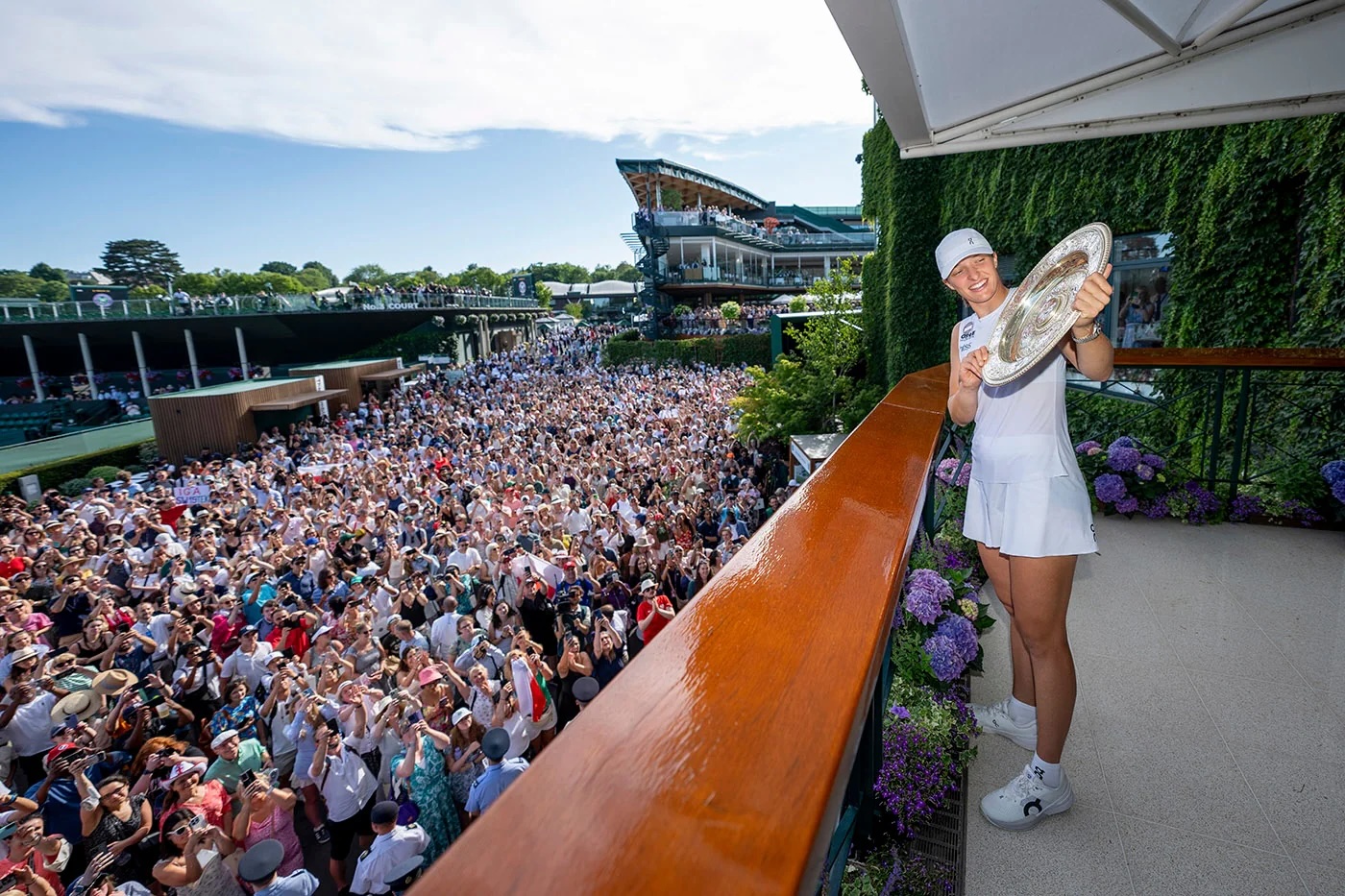
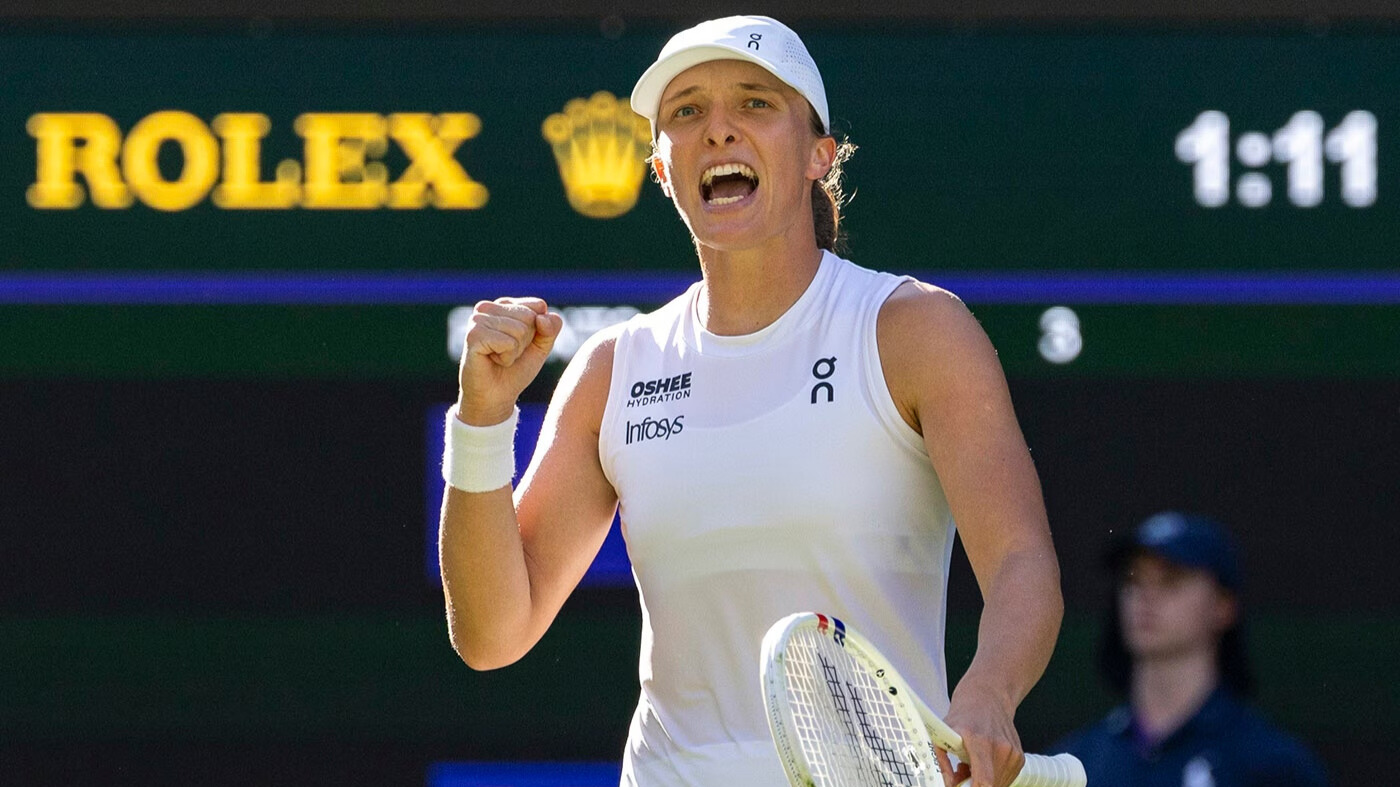
The stage is set for a compelling Wimbledon final between Swiatek and Anisimova. Remarkably, this will be their first-ever encounter at the professional level, as they’ve only ever played junior matches when they were teens.
While Swiatek arrives as the favourite, Anisimova’s recent performance beating world No. 1 suggests she’s more than ready to challenge for her first Grand Slam title. It promises to be a memorable match between two players who will give everything to leave their names marked forever in the All England Lawn Tennis Club’s history books.
Amanda Anisimova upset Aryna Sabalenka while Iga Swiatek eased past Belinda Bencic in the 2025 Wimbledon women's semifinals.












.jpeg)