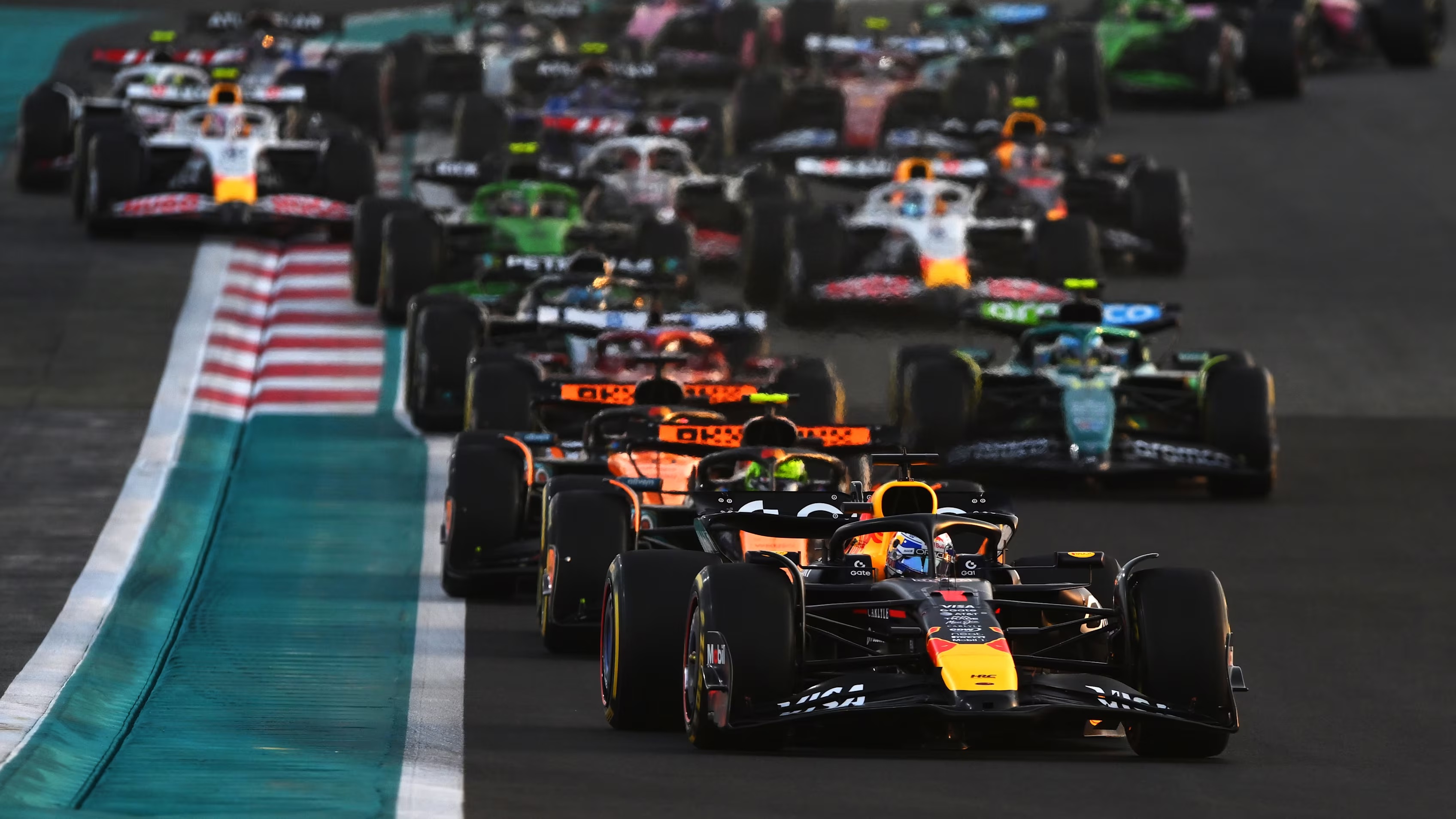
With the 2025 Formula 1 World Championship now over, the interminable off-season jabber can begin. Starting, of course, with our top five driver rankings.
As is the case every year, this season has had its fair share of standout contenders, from eye-catching rookies to seasoned veterans for whom that hunger persists. But of the 21 drivers that took to the grid, some stood out more than others. Here are Living Sports’ picks for the top five drivers of 2025.
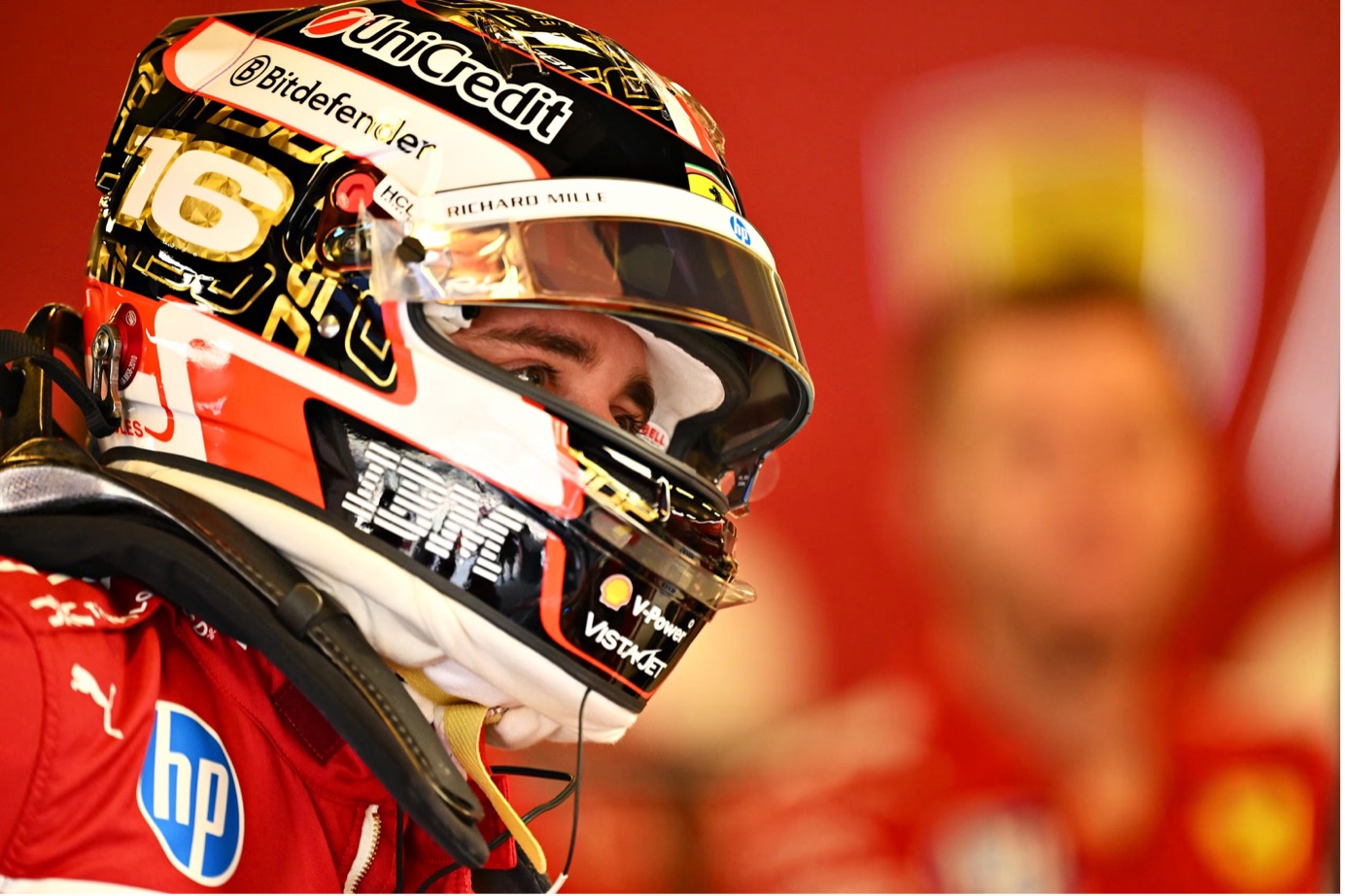
His team may have underdelivered, but Charles Leclerc’s status as one of the sport’s most capable drivers is as robust as ever. The arrival of a certain seven-time world champion could have daunted a lesser driver, but Leclerc has more than risen to the occasion.
Dazzling as ever over one lap, the Monegasque claimed Ferrari’s only pole position at the Hungarian Grand Prix and bested his teammate in 23 of the 30 qualifying sessions they contested, with an average gap of over two tenths of a second.
Additionally, Leclerc’s race pace has continued to impress. He resisted the advances of a charging Max Verstappen in Mexico, came agonisingly close to a second home win in Monaco, put on a defensive masterclass when duelling Lando Norris at the U.S. Grand Prix and claimed all seven of his team’s podiums.
A scrappy performance at Silverstone, where he finished outside the points, was the only major black mark on an otherwise commendable year, as Leclerc scored 60.8% of Ferrari’s total points.
In his seventh season in Formula 1, Leclerc can now claim to have beaten two of the sport’s greatest drivers in equal machinery, Sebastian Vettel and Lewis Hamilton. However, while his form is undeniable, his team’s certainly isn’t. Yet more underwhelming equipment meant Leclerc went winless for the fourth time in seven years. The 28-year-old has publicly reaffirmed his loyalty to Ferrari and is rumoured to be contracted to the team until 2029. However, should the Scuderia start the new regulation cycle on the back foot, Leclerc – who has already poured seven of his prime years into this project – will surely start to consider pastures new.
He's a formidable racing driver who has what it takes to challenge the very best in the business, and Ferrari need to deliver that long-promised championship-winning car soon, if they’re to have any hope in keeping him.
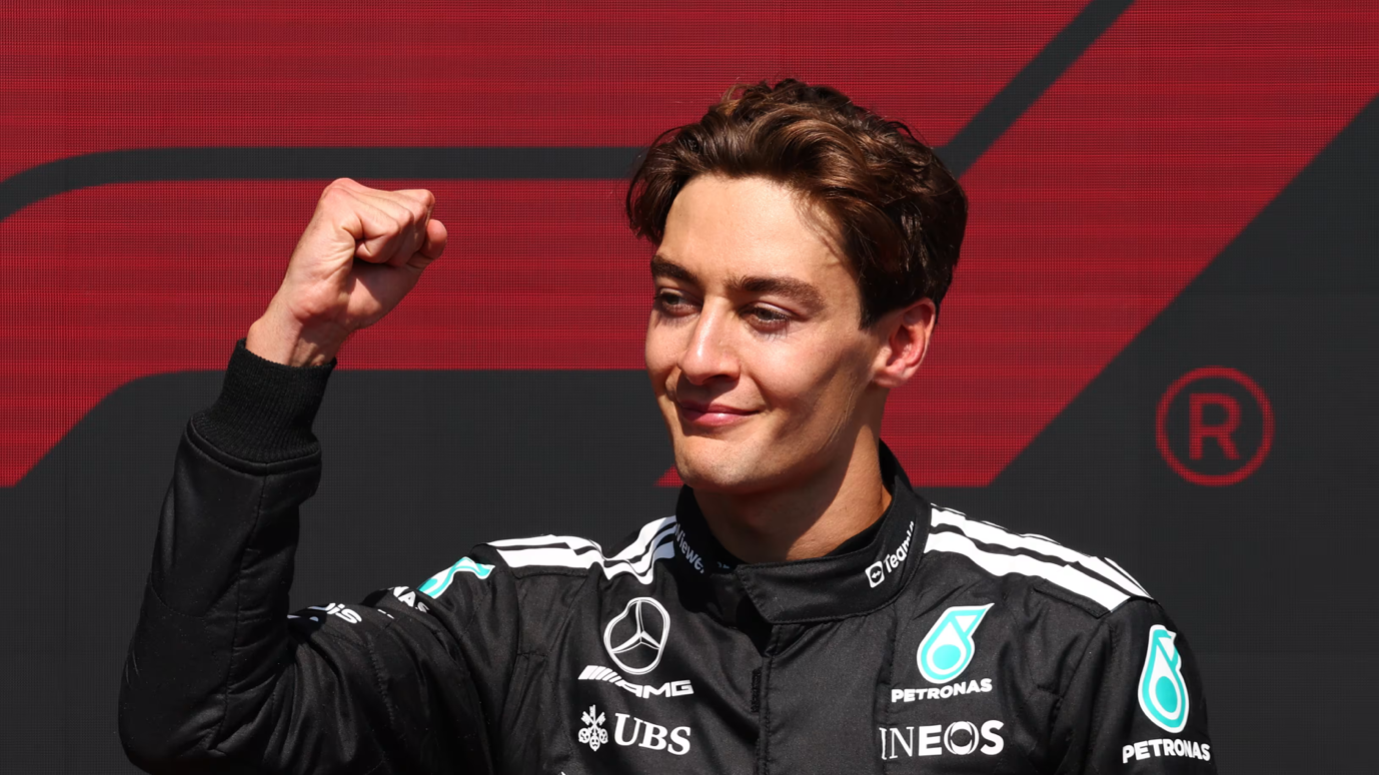
Deciding which of these two should get fourth place was not easy. Both are worthy candidates who have regularly gotten the very best out of their machinery. However, the expectations under which George Russell has performed give him a slight edge. He may have demonstrated his raw speed on more than one occasion, but with Lewis Hamilton now gone, Russell came into 2025 saddled with a fair few questions. Could he rise to the occasion and take on the role of team leader? Could he contend with a rising start in Kimi Antonelli? The short answer to all that has been, absolutely.
In a year that cemented Mercedes’ middling form in the ground effect era, Russell has been a model of consistency. Nine podiums and 18 top-five finishes meant he ended the season a comfortable fourth in the drivers’ standings. Off-colour performances, such as those at Monaco and Silverstone, were few and far between. On the rare occasions when Mercedes were able to produce a race-winning car, Russell always capitalised and secured two commanding victories in Canada and Singapore. And while Antonelli was able to emerge from his mid-season slump and occasionally outpace Russell in the second half of the season, the 27-year-old was still the team’s standout performer. Preliminary speculation points to Mercedes having the strongest power unit for 2026. Should that turn out to be the case, Russell could find himself in the title-challenging car he so richly deserves.
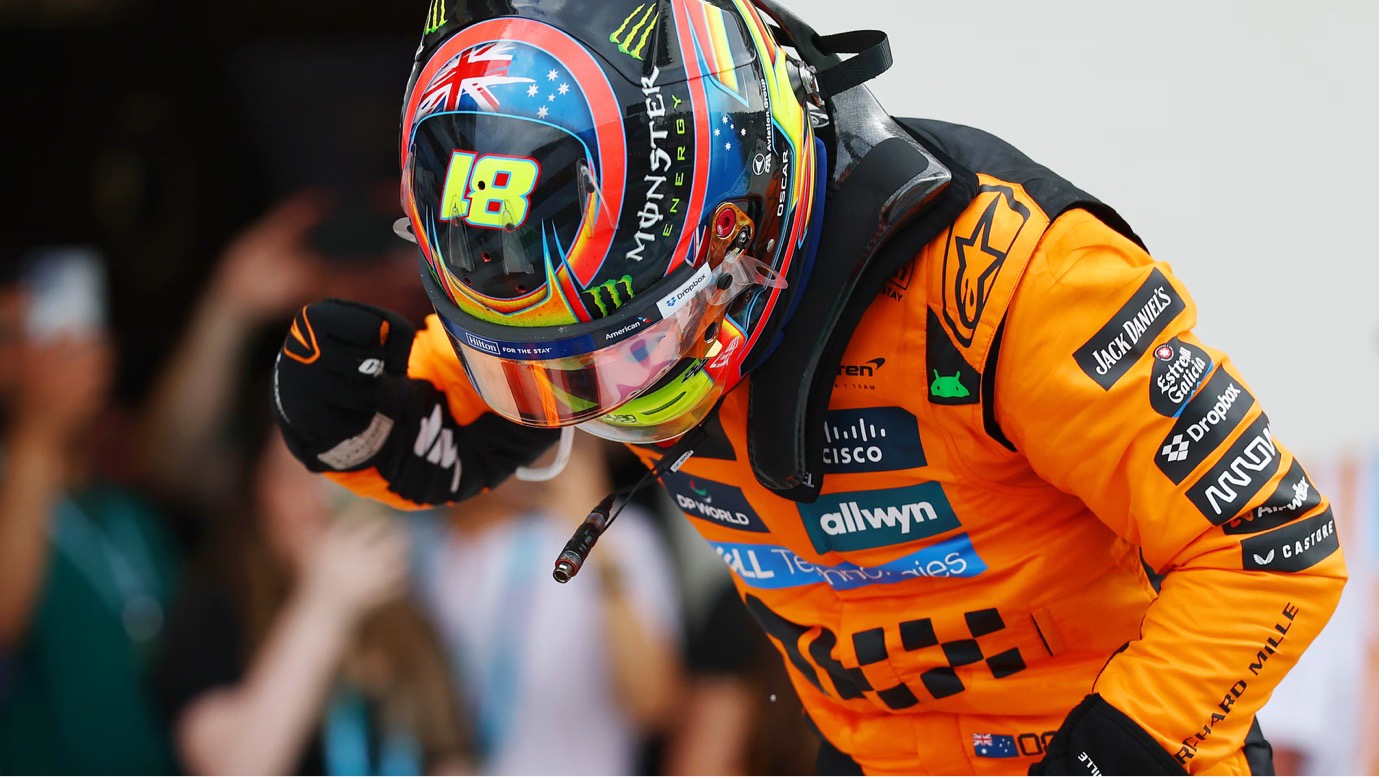
2025 will, among other things, be remembered as the year Oscar Piastri established himself as one of this generation’s biggest stars. Having played second fiddle to his teammate last season, Piastri’s false start in Melbourne was followed by an inspired run of form. Five wins from the following eight races (including a run of three in a row) saw him emerge as a leading contender for the world championship. During this run, Piastri dispelled the qualifying woes and tyre management issues that hindered him last year, prevailed in multiple wheel-to-wheel exchanges with Max Verstappen and spent a total of 15 races atop the world championship table.
A loss of momentum in the second half of the season led to a series of mistakes and lacklustre weekends. Piastri endured what he himself described as his worst ever weekend in Baku, crashed out of the sprint in Sao Paulo and was simply unable to contend with his teammate in Austin and Mexico City. That barren second half of the season ultimately cost him a shot at the title; that said, Piastri is nothing if not a quick learner. Let’s not forget, this is only his third season in F1. Should McLaren’s imperious form carry over into 2026, there’s nothing to suggest Piastri won’t emerge as a firm favourite for the world championship.
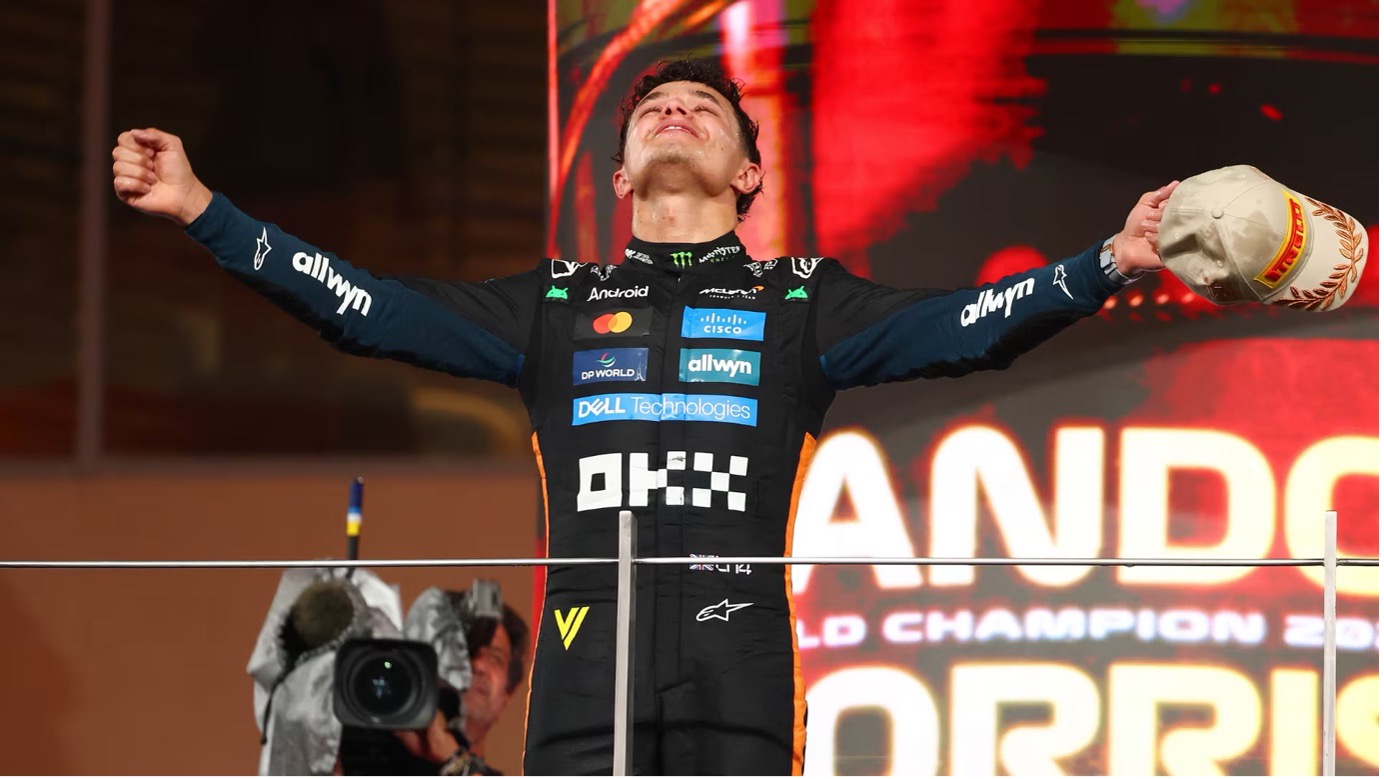
Piastri came close, but it was his teammate who stuck the landing. Regarded by many as the pre-season favourite, Lando Norris’ road to a first world championship was far from straightforward. As Piastri hit form in the early part of the season, Norris began to struggle as dissatisfaction with the MCL-39’s cornering abilities left him unable to match his teammate in the opening races. Norris’ woes were compounded by a series of errors in China, Jeddah, Bahrain, and Canada that dented his confidence.
However, even at his shakiest, Norris was a regular fixture on the podium. Of the first 15 races, he failed to make the top three on just three occasions, and while Saudi Arabia and Canada were down to human error, the engine failure in Zandvoort certainly wasn’t. What’s more, as the season neared its climax, Norris found his feet. Despite trailing Piastri by 34 points after Zandvoort, Norris held his nerve, delivered crushing victories in Mexico and Brazil, kept his head even after the double disqualification in Las Vegas (a weekend that also saw him prevail in a treacherous qualifying session), and did precisely what he needed to at the season finale in Abu Dhabi to secure a thoroughly deserved world championship. It remains to be seen how, or if, Norris’s mindset will evolve going forward, but what is certain is that this championship was one he definitely earned.
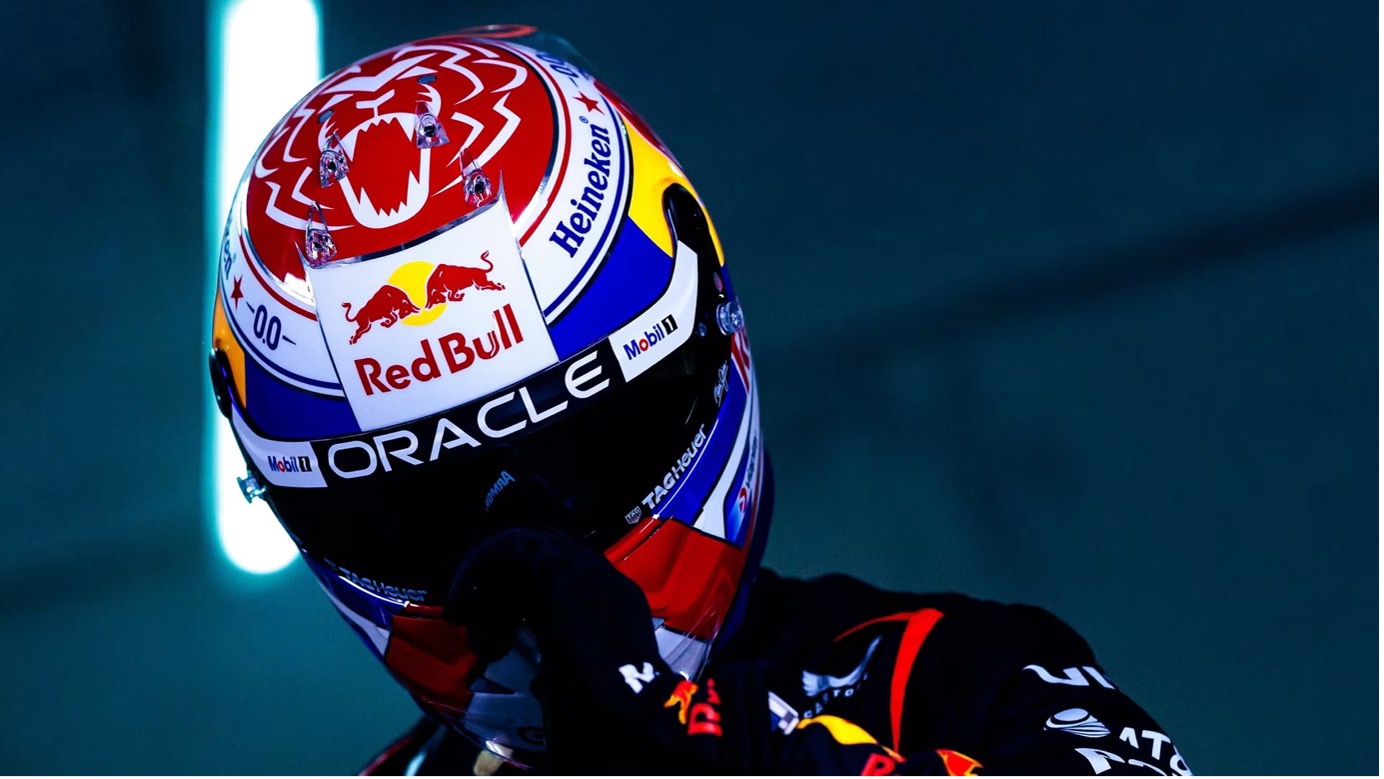
He may have lost his crown, but this season has served as perhaps the clearest indication yet of Verstappen’s status as the greatest driver of his era. His campaign wasn’t perfect as he lost his head in Spain and spun out in the wet in Silverstone. Saddled with an uncompetitive car, there was little even Verstappen could do to stop the McLarens from streaking clear in the first half of the season. However, as Red Bull found form after the summer break, Verstappen was soon back to his brilliant best. Dominant drives in Monza and Baku laid the foundation for an unlikely title challenge and rare was the weekend when Verstappen didn’t extract every ounce of performance from the RB21. Podium finishes in each of the last ten grand prix as well as six wins (an unmatched eight in total) meant Verstappen was able to take the fight all the way to Abu Dhabi. He may have lost out by just two points, but there’s little denying who has been head and shoulders above the rest with regard to consistency, mindset and race craft (as was made clear by his pole lap in Japan as well as that turn one overtake at Imola). He may not have the number one on his nose next season, but Verstappen’s place among the pantheon of F1 greats is well and truly confirmed.