When I was small, I adored hats. Even then I understood, long before I could have explained it, that a hat could change who you were. There was the wide-brimmed picture hat that made me feel terribly glamorous, sweeping about the house like a minor duchess; the frayed straw that turned me, instantly and entirely, into a farmer; and the floppy cotton hat I was made to wear every summer at the beach, to keep off a sun that always seemed to shine twice as brightly by the sea. Each was a small costume, and each a small transformation. Years later, I am no less certain: put on the right hat and you may become whoever you please.
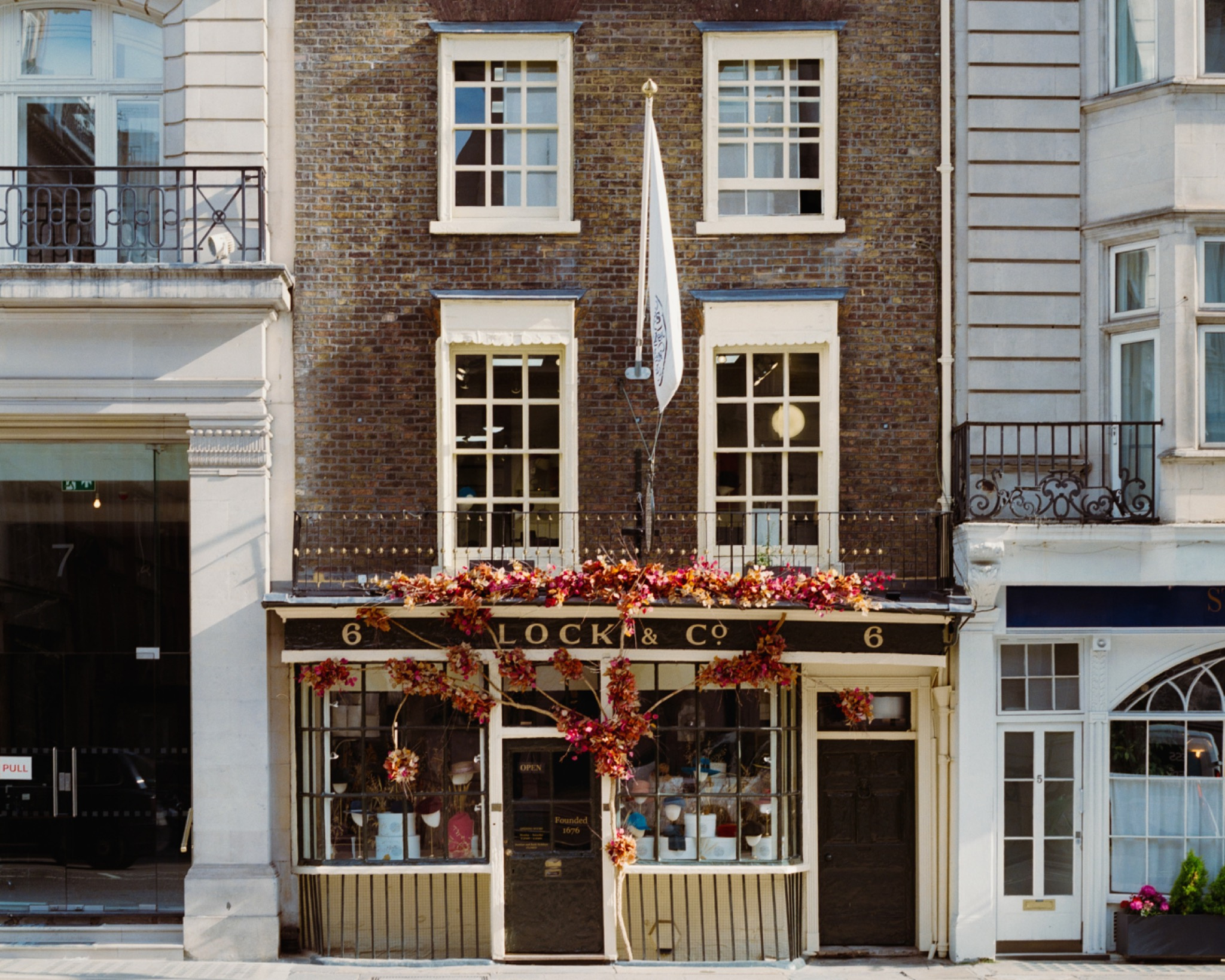
When the chance came to correspond with the oldest hat business in the world, I was, I confess, a little giddy. Lock & Co. Hatters has been selling hats since 1676, remains in family hands and is, by its own account, the oldest shop of any kind in London.
I have always been drawn to things that endure, though never merely for their age. Whatever has lasted so long, in times that move as quickly as ours, must have not only a thrilling story behind it, but also generations of people proud to belong to something far older than themselves.
As I drafted my questions, I kept returning to the simple one that sat beneath all the others: how does a shop last 350 years? Dates and titles could tell me that it had, but only those inside could tell me how.
Four people very kindly lent me their time: Jason Roberts, the Chairman; Nigel Macdonald, the Deputy Chairman; Ben Dalrymple, the Managing Director; and Maxwell Newman, the Shop Manager. Their answers, I soon realised, had rather a good deal in common.

The first thing they share is a particular kind of humility. When Ben Dalrymple became Managing Director ten years ago, his instinct was not to expand at all. “My first thought was not ‘Let's see sales growth’ but instead, ‘Don't break it!’” Most businesses measure themselves by what they add, or by how much they sell—Lock & Co. seems to measure itself by what it maintains. Dalrymple insists that everyone who works there, family or not, feels an equal share of responsibility for it, treating the business “as if it were our own—a cherished possession that you seek to nurture and protect.” For Nigel Macdonald, the Deputy Chairman, continuity means a duty to staff, customers and suppliers, present and future, held in balance with the traditions of those who came before.
The house has come closer to the edge than one might imagine. Just over two hundred years ago, the business passed to the son of James Lock I, who, in Macdonald’s beautifully restrained phrase, “had no idea that a business actually needs careful and thoughtful leadership and management, coupled with real commitment.” He lived comfortably on it for some twenty years, until it fell to its creditors. His own son, James Lock III, then training for the law and quite evidently “cut from a different cloth”, rescued it through sheer hard work and the goodwill of creditors willing to accept a little less than they were owed. Three hundred and fifty years can look inevitable from the outside. In truth, it rests on a long chain of people, any one of whom might have let it slip.

The second is a willingness to change without changing too much. Lock & Co. has survived a Second World War bomb that fell into its basement (that, mercifully, failed to explode), and a pandemic that closed its doors for weeks on end (the first time that had ever happened). When men’s hat-wearing declined from the 1960s onwards, closing hatters across the country, the house reinvented itself: new markets, new ways of reaching customers and, for the first time in more than three centuries, millinery and ladies’ hats. Yet the focus always returned, Macdonald says, “relentlessly once again” to outstanding service, outstanding hats and the pleasure of wearing them.
One of my questions began with the assertion that hats have largely disappeared from daily life. Then I read Macdonald’s reply. “It would be a mistake to assume that no-one anywhere wears hats!” he wrote, and I stood, rather deservedly, corrected. The global hat market, he pointed out, is vast and thriving. Most of it is baseball caps and paper straw hats, but there are signs of growing demand for more formal and fashionable headgear, for men and women alike. He was quite right, of course. Ask me to picture any hat and I think of a fedora, or something fit for Ascot, never the caps and beanies that pass me in the street every day. Hats were all around me, and I had simply stopped noticing them.
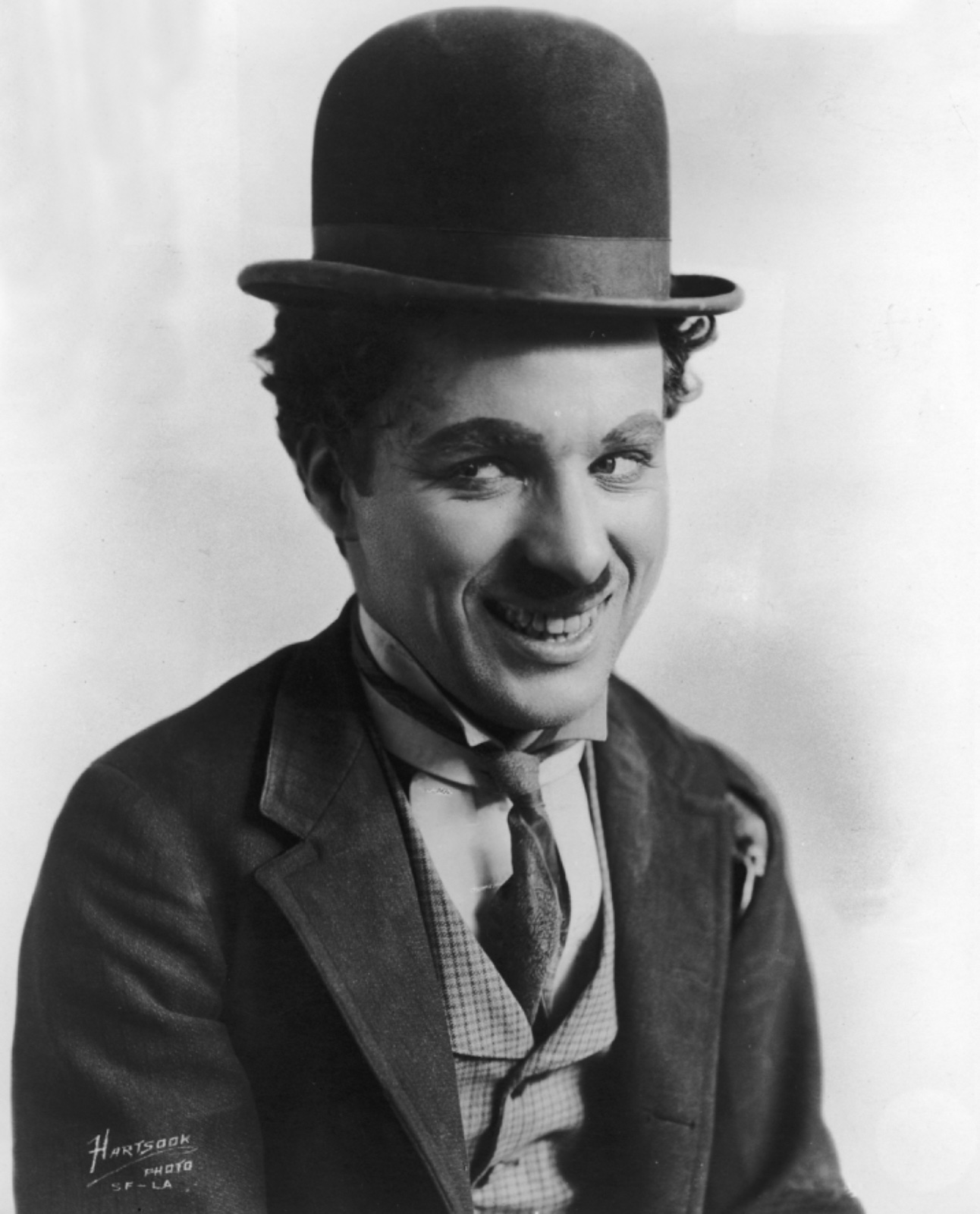
What Lock & Co. did, in that changed world, is the third thing they share, and perhaps the most important. Rather than chase the mass market, Macdonald explains, the house held on to the belief that there has always been a place for truly exceptional hats, and that a house of its standing ought to redouble its efforts on quality, wearability and personal service. “Generally speaking,” he says, “all men’s hats are made in the same way as they were 100 years ago.” What has changed is who makes them. Britain’s once considerable hat trade has almost entirely gone. Lock & Co. now works with a small number of carefully chosen suppliers, all based in Britain or Europe—the one exception being the Panama, still made in Ecuador, as it always has been. Their hats, he says, equal or surpass the best of fifty years ago.
At the heart of the shop sits an instrument that Jason Roberts, the Chairman, considers irreplaceable. The conformateur, invented in France in the 1850s by a Mr Allié-Maillard, records not only the circumference of a head but its height and every contour, so that each hat is, in Roberts’s words, “not only perfectly stylish but also perfectly fitted and perfectly comfortable”. It remains essential for fitting hard hats and sizing top hats, and Lock & Co. still offers a professional measurement, free of charge, to anyone who books one.
The fourth thing they share is understanding the importance of the people who build, and the patience to form them. New hatters and stylists, Roberts explains, begin by learning the heritage of the house and the history of the streets around it, so that they can pass its stories on to customers. Only then do they learn how the hats are made, and from what. “We don't place a time limit on when someone is trusted to work unsupervised,” he says. “We provide constant coaching to build confidence.” Some, who make hats in their spare time, might be trusted within days. And yet, Roberts notes, the retail manager—eight years in—is still learning new techniques and discovering new materials. I find that rather moving. A true craft, it seems, is one you never entirely finish learning.
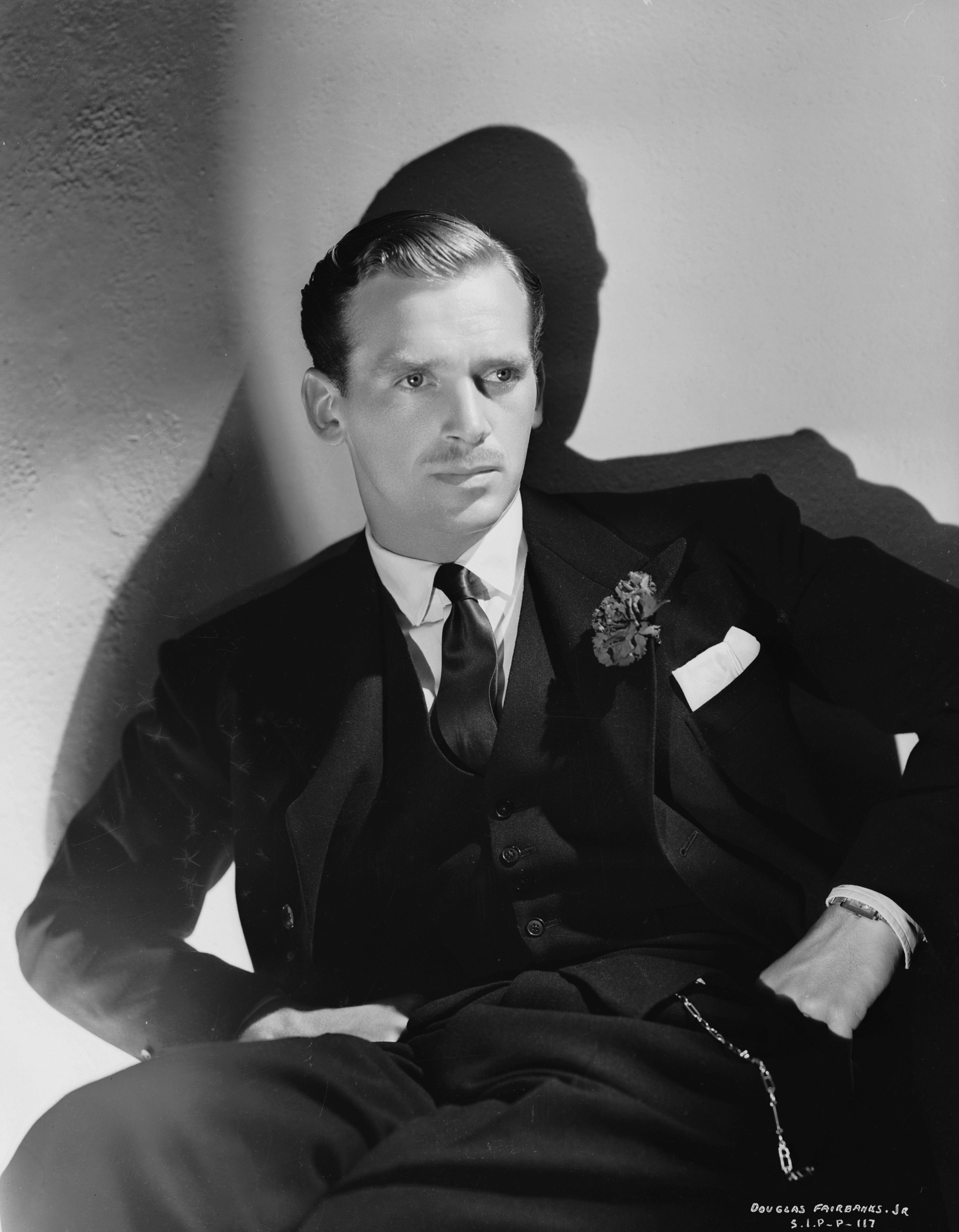
The house is full of stories, and its best-seller is no exception. The Fairbanks Trilby is known affectionately within the shop as the “goldilocks” hat, “not too wide, not too high in the crown—just right!”, as Maxwell Newman, the Shop Manager, puts it. It takes its name from the film star Douglas Fairbanks Jr, who lived for a time on the top floor of the building in the 1930s. One could hardly invent a more Lock & Co. detail: a classic named after a former upstairs neighbour.
Newman’s advice for anyone choosing a first hat is equally unpretentious. Think about versatility, he says. Colour is always the customer’s decision, but if asked, the team will usually suggest earthier shades, brown or olive, or navy, which suit the widest range of occasions and outfits. Above all, put your faith in the person helping you, who will tell you honestly what suits you and what does not. Then comes a line I did not expect a shop manager to put in writing: “We are not salespeople at Lock & Co. Hatters, and we are not on commission. We will ensure that you leave with a smile, even if it is not with a new hat!”
The last thing they share, and the one that seems to hold the others together, is a particular idea of what a business is for. “In our view,” Macdonald says, “there are really only two types of business—transaction-focused businesses and relationship-focused businesses.” Lock & Co. has always been the second kind. Its hats cost more than the cheaper alternatives, he explains, and the house takes no more profit than it needs to stay strong, to reinvest in the craft, to adapt and to reward its people and owners fairly—quite rightly, if you ask me, since a hat made by hand, from the finest materials, may well be handed down through generations, and that has never been cheap, nor should it be.
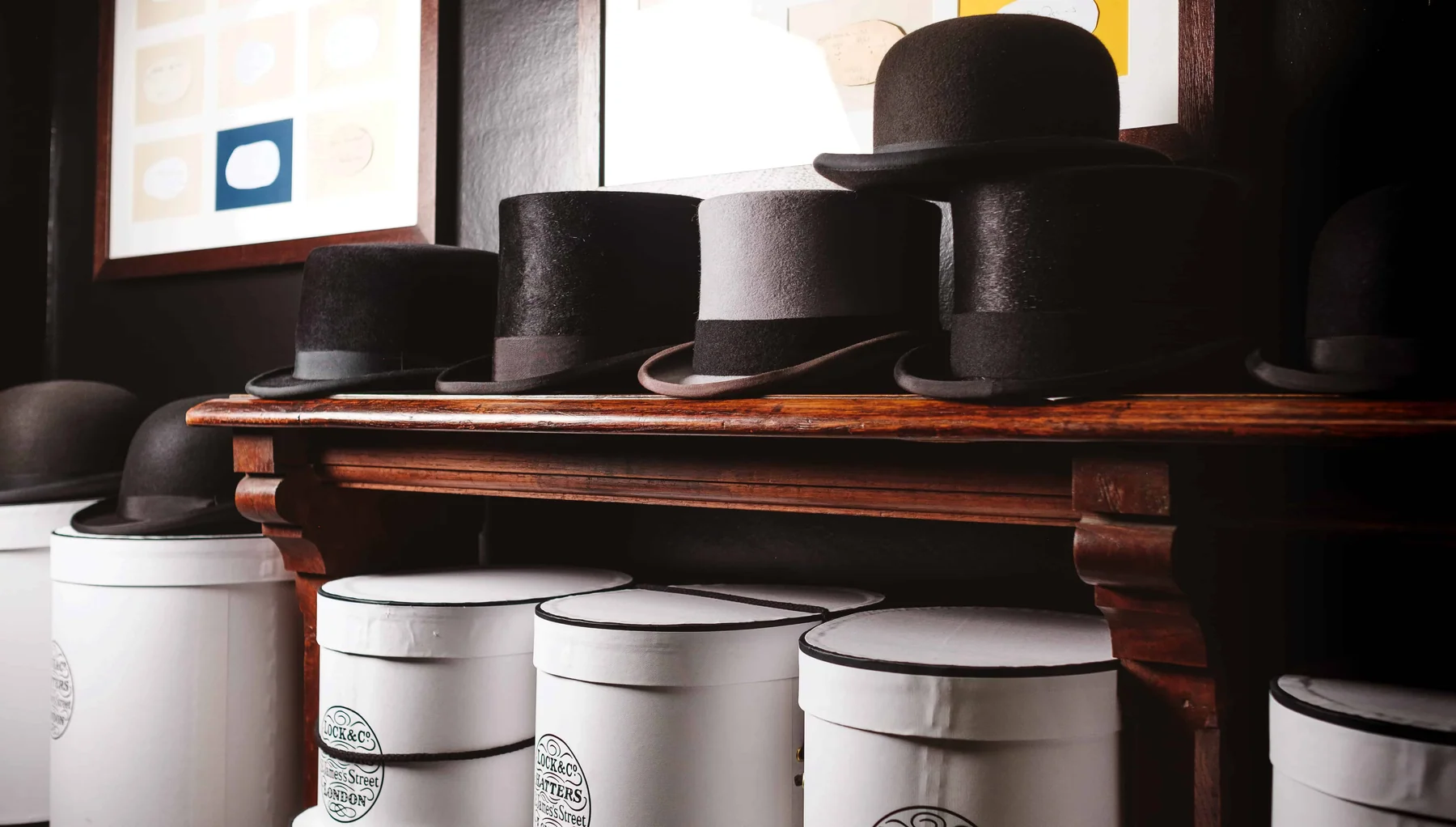
Towards the end, I asked what it means, after 350 years, to feel unmistakably themselves rather than simply old. Macdonald’s answer was disarmingly practical. Give people what they want, he says, “unashamedly”: a great deal of stock, beautifully made hats for men and women that make their owners proud to be well dressed and service of the highest order, so that every customer feels valued and respected in their choice. There is no grand theory here, and I think that is rather the point. A house reaches 350 by doing a few things exceptionally well, by changing only what must change and by remembering that the shop belongs, for a time, to whoever is minding it.
I set out to learn how a shop lasts 350 years, half expecting a secret. What I found was a house careful with its past, generous with its people and unhurried in its craft. It sounds simple enough; it is anything but. Its custodians have more than earned the right to be unmistakably themselves. Long may they remain so.