History does not preserve fairly. For every name Paris chose to remember, a dozen others were left to gather dust in its archives, unread and unclaimed, until someone curious enough went looking. Sometimes it takes a novelist to keep a name alive without quite meaning to. Sometimes it takes an old patent filed away between thousands of others, waiting for someone to notice it was still there. This is the story of one of those names, and of Officine Universelle Buly, the house that eventually went back for it.
In 1803, on rue Saint-Honoré, there lived a vinegar-maker and perfumer named Jean-Vincent Bully, who bottled something he called the Vinaigre aromatique et antiméphitique de Jean-Vincent Bully, his Aromatic and Antimephitic Vinegar. Water itself was still viewed with suspicion in Bully's Paris. His vinegar promised what water could not: a clean face, a steadier nerve, a fresher version of oneself. He patented it in 1809, refined it in 1814, and watched it become something close to a national habit, poured into bathwater, dabbed on as a toner, decorated at the Paris World's Fair in 1867, and again in 1878. By 1869, Le Petit Journal surveyed a whole field of imitators trying to catch him and concluded, more or less, that Bully's own vinegar still led the pack.
It was that fame that reached Honoré de Balzac, who drew on Bully for César Birotteau, the perfumer whose glittering rise and catastrophic fall anchor his 1837 novel of the same name. The resemblance would not stay confined to fiction for long.
In late July 1830, Paris rose against Charles X, and a mob broke into Bully's unlocked shop. What followed was not theft so much as ruin: the vinegar that had built his fortune ran into the gutters outside, and the state, judging him too close to the old royal court, refused him a single franc in compensation.
Bully himself never recovered. His vinegar, stubbornly, refused to spoil, as though it knew something its maker never did. Perhaps that should not have surprised anyone: vinegar, after all, is one of the few things in a kitchen or a cabinet that time cannot ruin.
Nearly two hundred years passed before anyone went looking again. And it was Ramdane Touhami, a French creative director already known for reviving forgotten brands, who finally did. In 2012, he was in conversation with Arnaud Montebourg, then France's Minister of the Economy, who told him, half in jest, “You're a real César Birotteau.” Touhami took it as a lead rather than a compliment. Weeks spent in the National Archives, working through old patent filings and perfumers' catalogues, led him back to Bully, not the fictional Birotteau, but the man himself, and the vinegar that had outlived him all along.
Victoire de Taillac joined him for the project: a historian by training, with a long-standing fascination for the beauty rituals of the past. The pair spent two years in the laboratory solving a question Bully himself never cracked: how to put something worth wearing directly on skin, without the harshness alcohol always brings with it. Suspending fragrance in water instead, without losing the fullness that makes a perfume worth wearing at all, took that long to get right, the way anything worth keeping usually does.
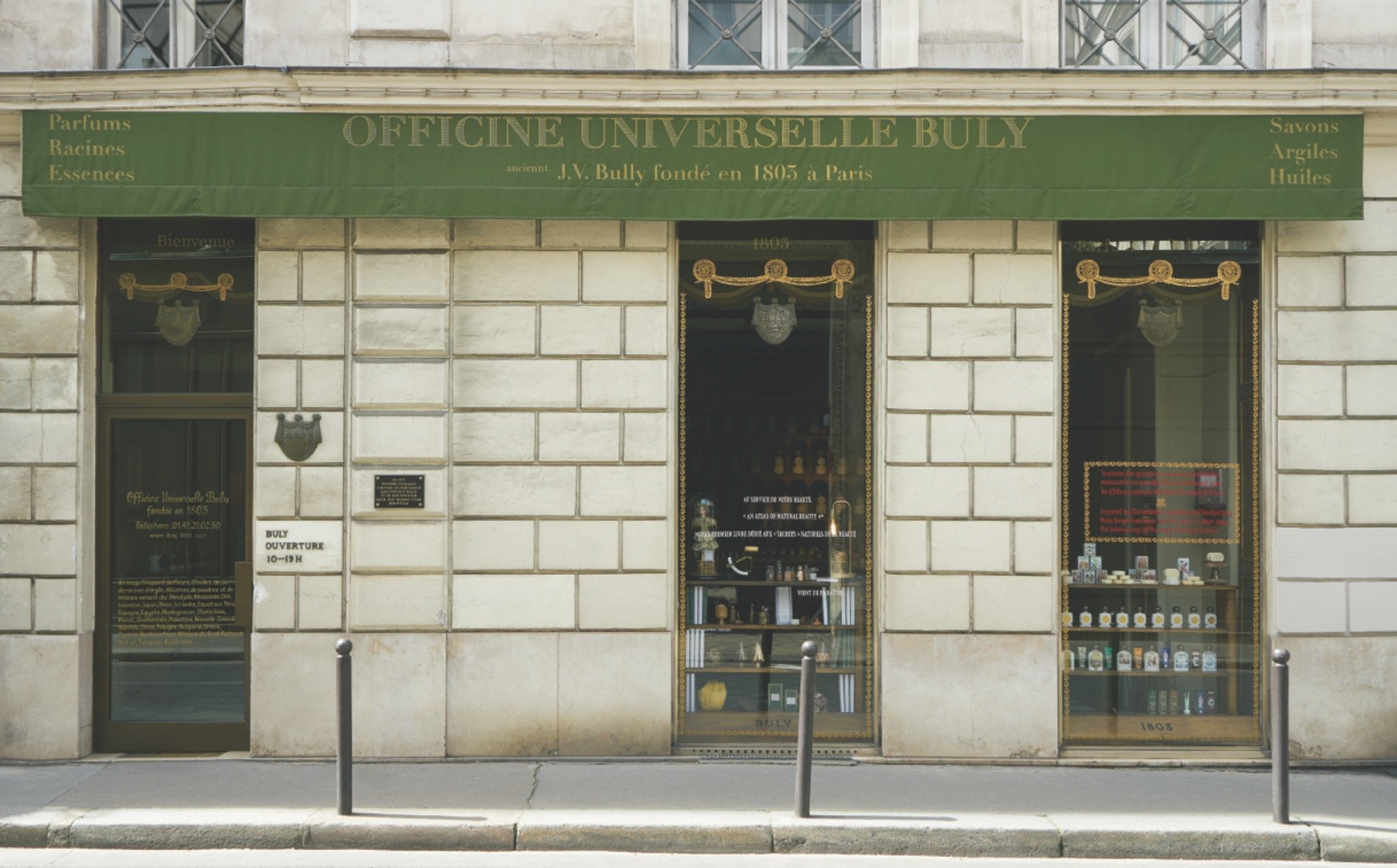
In 2014, with the formula finally settled, they opened Officine Universelle Buly at 6 rue Bonaparte, in the 6th arrondissement, and made one small, deliberate change on the way in. They dropped the second L from Bully's own name. It was meant, in their own words, as the handing on of a torch: a new story, a new and universal era, never presented as an unbroken line but, honestly, as a new chapter.
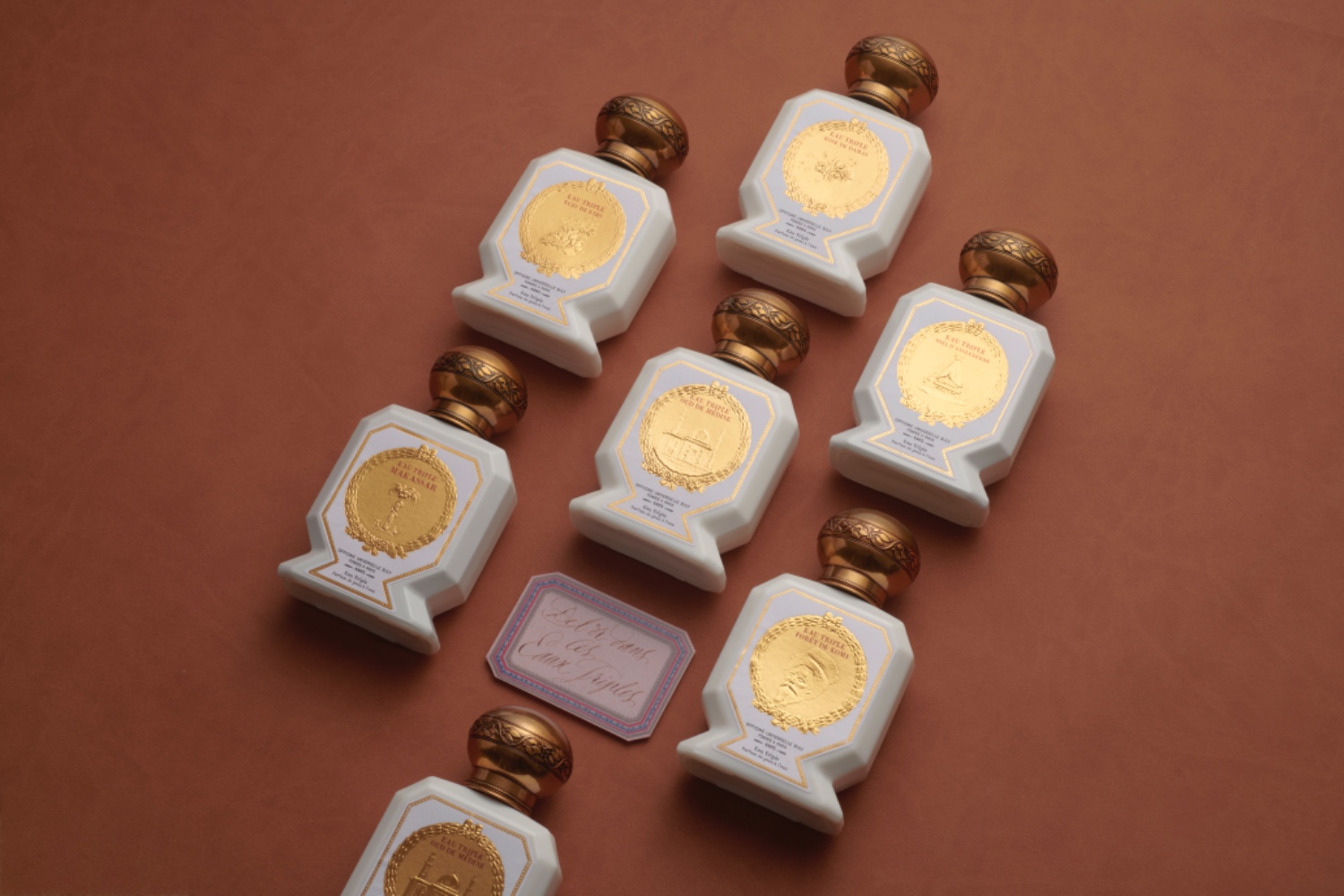
What came out of it, in the end, was the now-famous Eau Triple, launched as one of the first alcohol-free, water-based skin perfumes of its kind. It was the same instinct behind Bully's original vinegar, this time with the precision of modern chemistry. Twelve compositions make up the permanent range today, all of it water-based and, still, without a trace of plastic: a promise the house has kept since its very first bottle.
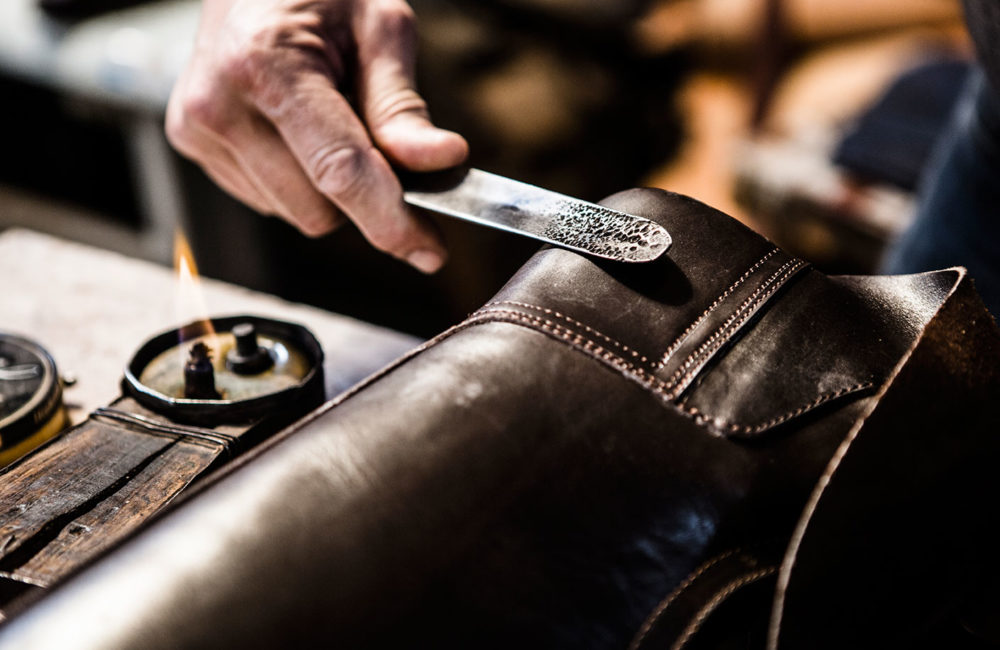
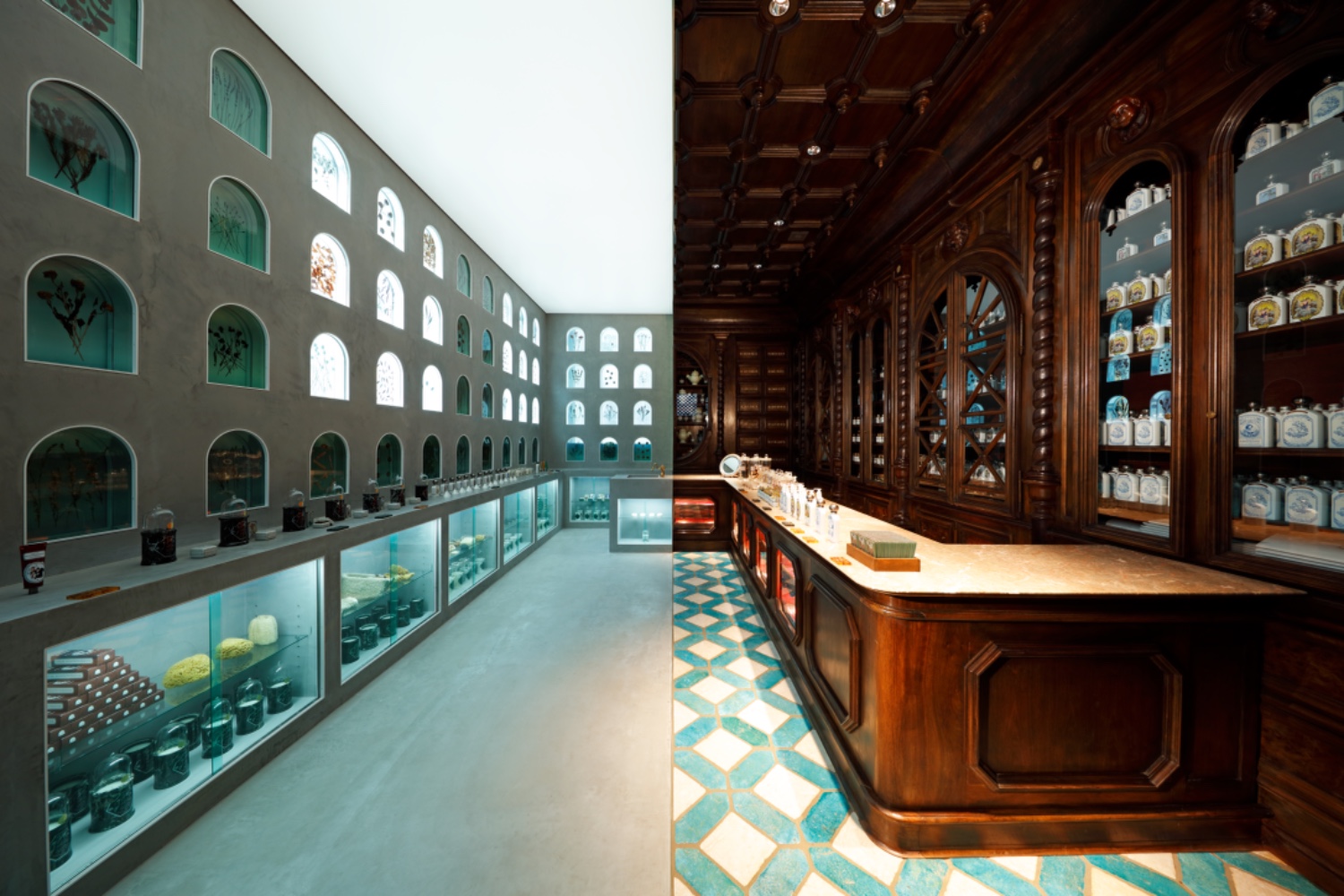
The rest of what the Officine has built follows the same instinct outward. Every boutique is designed in dialogue with the city that houses it, never copied from a single template, a principle the house frames explicitly as a manifesto against standardisation. And yet underneath the differences, each one keeps faith with the same walnut panelling, the same marble counters, the same apothecary furnishings of a nineteenth-century chemist's shop.
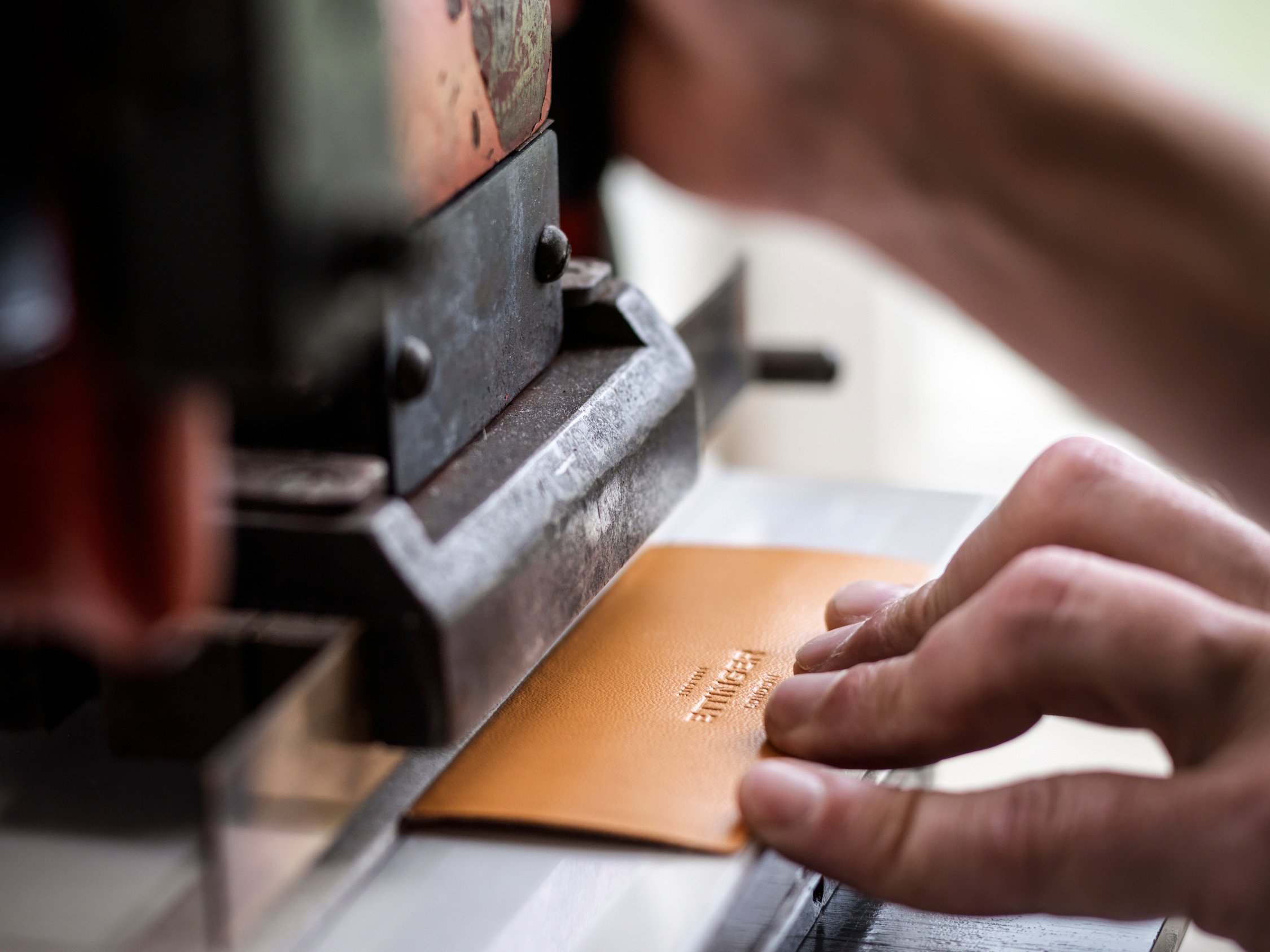
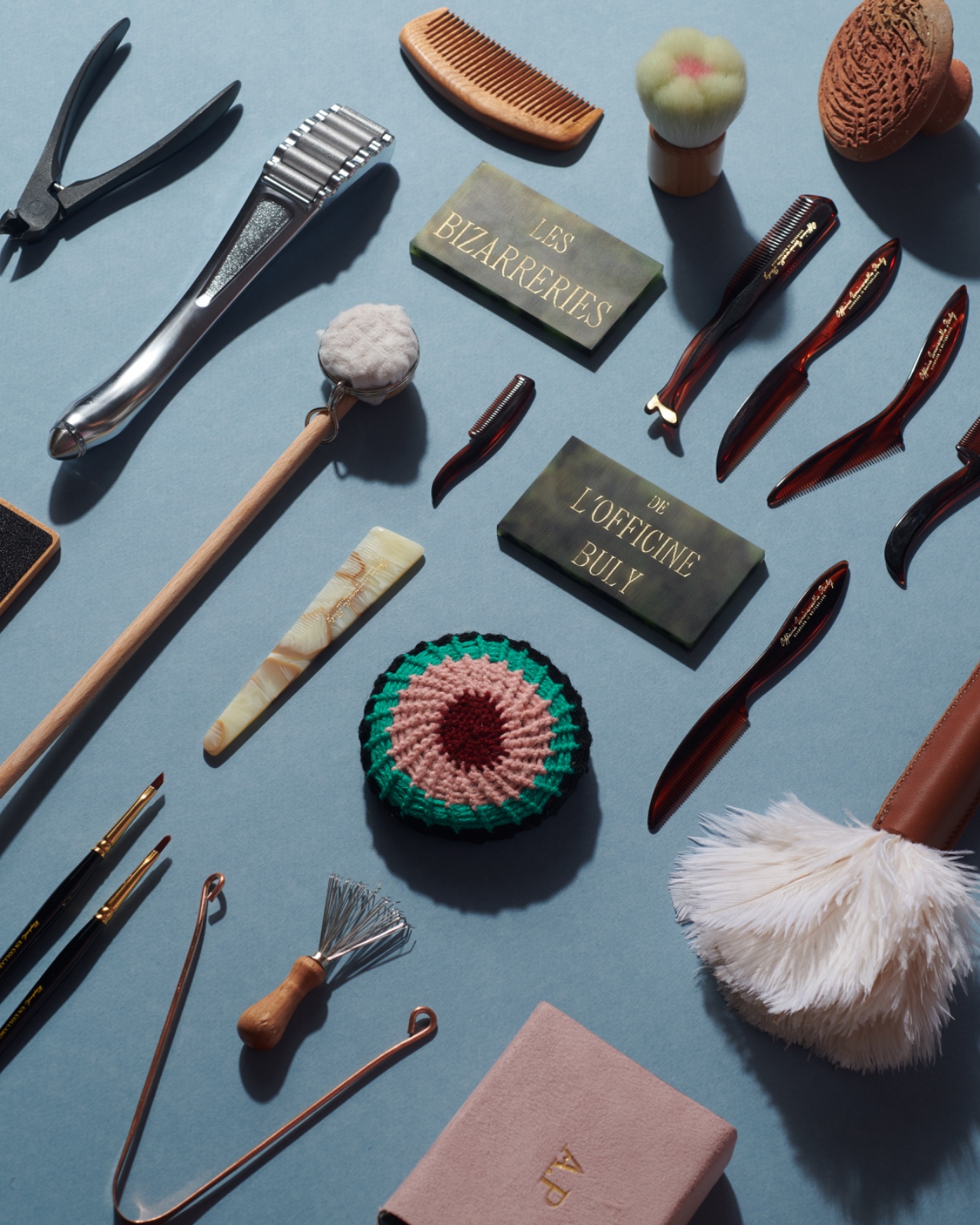
Personalisation runs through nearly everything sold there. Combs and soaps engraved on request. A parcel wrapped, if asked, in the Japanese origata style, by hand, on the spot. A monogram cut into a soap. A name traced along the spine of a comb. The same small ceremony, repeated across dozens of objects, as if each one deserved to be remembered by name. Even Skin Concierge, the house's own digital tool for talking a customer through a skin concern, is doing a version of the job a chemist once did across that same kind of counter: diagnose first, sell after.
That instinct for ceremony reached an unlikely peak in 2019, when the Louvre invited the Officine to attempt something no perfume house had tried there before: assign eight noted perfumers the task of translating a painting or a sculpture from the museum's own collections into scent. The house Bully once ran from a single shop on rue Saint-Honoré now trades under his revived name in twenty countries, with boutiques stretching from Europe to Asia and further openings already planned.
And so it was that, a hundred and eighty-four years, give or take, later, someone finally decided an idea which had never spoiled deserved a second chance, and gave it one.
Somewhere, one imagines, Jean-Vincent Bully would be glad someone finally got the water to behave.