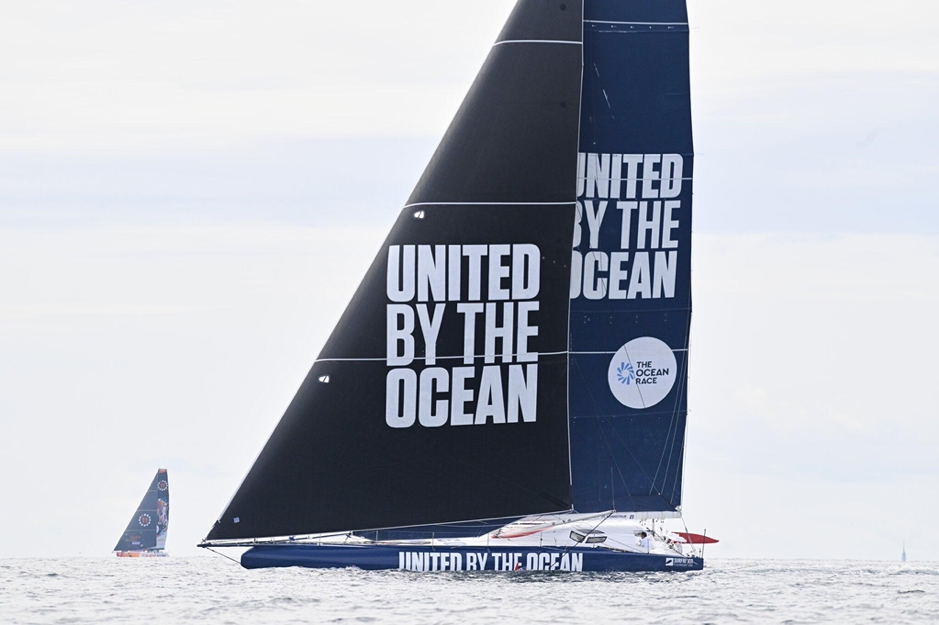
The Atlantic needed almost eight days to decide the winner of the first edition of The 2026 Ocean Race Atlantic. And when everything seemed to be heading towards a close finish, the race still had one final surprise in store. United by the Ocean, skippered by Paul Meilhat, took victory in Lorient after spending hours locked in an almost head-to-head battle with 11th Hour Racing. The final difference was just eight minutes and 56 seconds, a tiny margin after sailing around 3000 nautical miles from New York to the French coast.
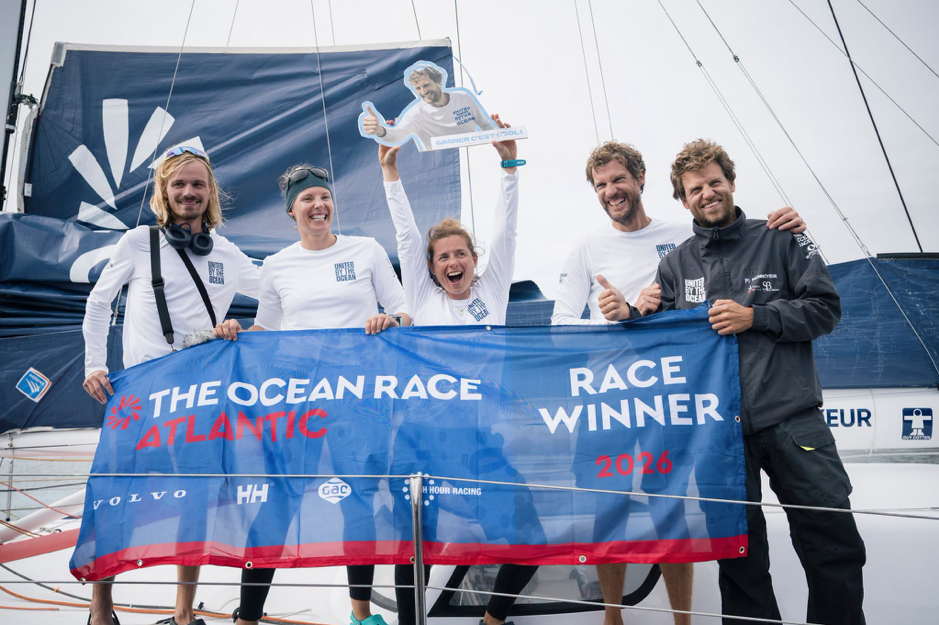
The final day began with three boats still very much in the fight. DMG MORI Global One had led the fleet for the previous 48 hours, but the situation changed quickly during the morning. 11th Hour Racing, which had chosen a slightly more southerly route during the final night at sea, moved into first place at around 11am. United by the Ocean soon followed, overtaking the Japanese boat as well, and from that point onwards the battle for victory was almost impossible to call.
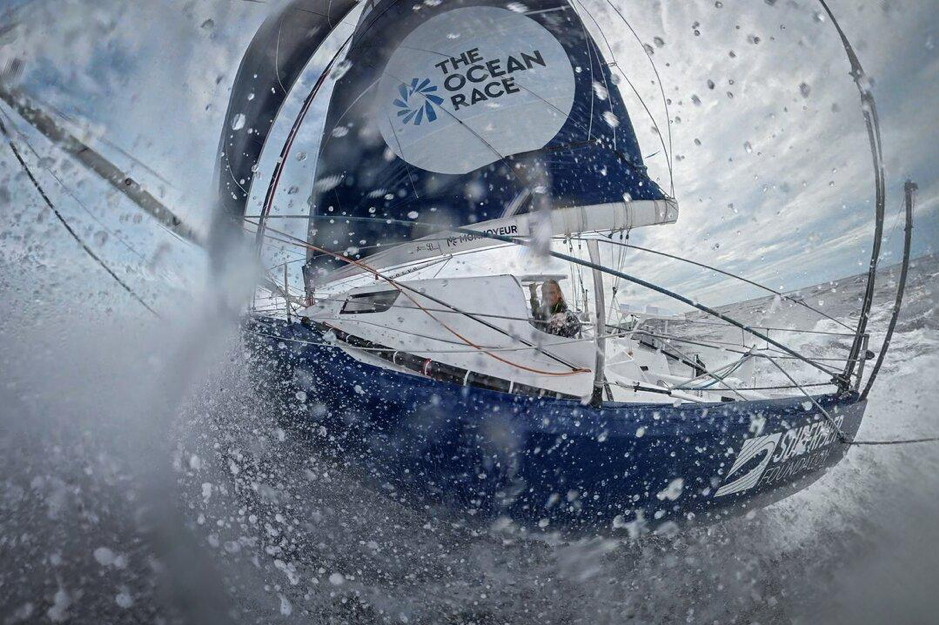
For several hours there was virtually nothing between the two leading boats. Their courses gradually came together as they approached the finish line, north of the Île de Groix. The final part of the race was also very different from what the crews had experienced for much of the Atlantic crossing. After several days of strong winds, rough seas and speeds of more than 30 knots, the final miles were sailed in around 10 knots of breeze and relatively flat water.
In those conditions, the position chosen by Meilhat eventually proved to be the difference. United by the Ocean managed to create a small lead of around one nautical mile and, despite the pressure from 11th Hour Racing, held on to it all the way to the finish. The French boat crossed the line in a time of 7 days, 23 hours, 39 minutes and 11 seconds. Less than nine minutes later, Francesca Clapcich and her crew arrived in second place.
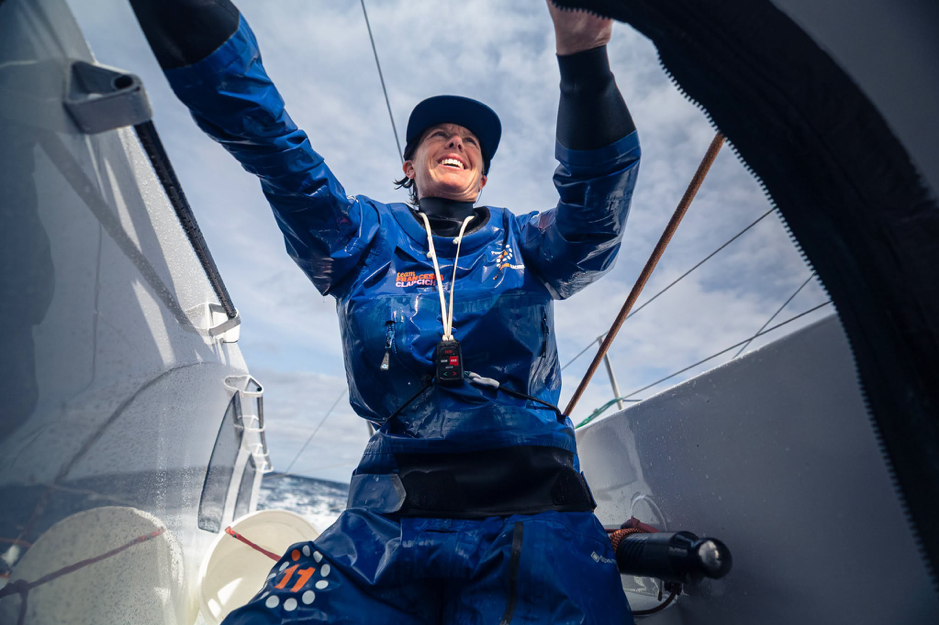
Clapcich admitted afterwards that it was frustrating to get so close to victory without being able to take it. When you are that close to winning, you want to win, and her comments reflected just how tight the battle had been. At one point during the morning, her team had moved into the lead and there was a genuine possibility that 11th Hour Racing could take the first victory in the history of the event. In the end, they had to settle for second, but after such a long transatlantic crossing, finishing just a few minutes behind the winner is still an impressive result.
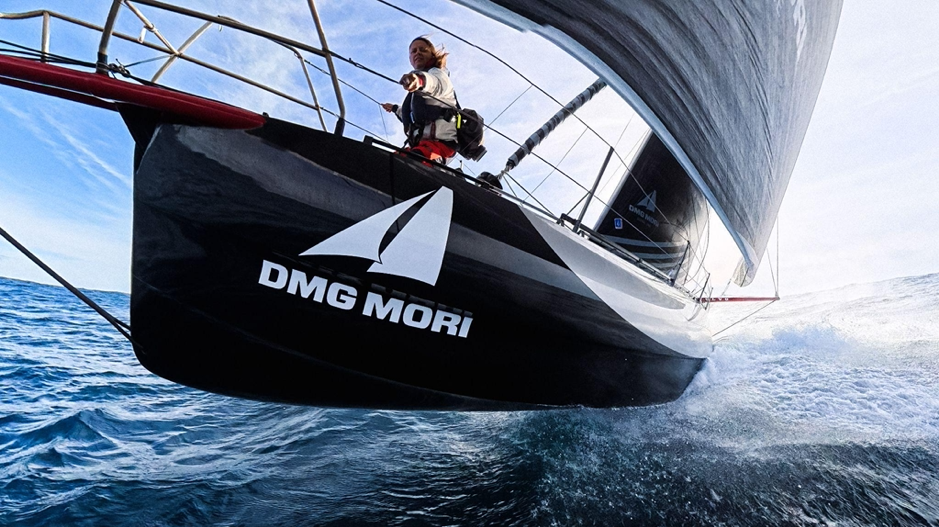
The fight for third place was almost as close. DMG MORI Global One managed to hold on to the final podium position after having to deal with a strong comeback from Team Malizia. Boris Herrmann's boat had been around 40 nautical miles behind the leader at midday, but gradually reduced the gap and put itself back into contention. The German team came remarkably close to taking third place, but DMG MORI crossed the finish line first in 8 days, 4 minutes and 40 seconds. Just five minutes later, Team Malizia arrived in fourth.
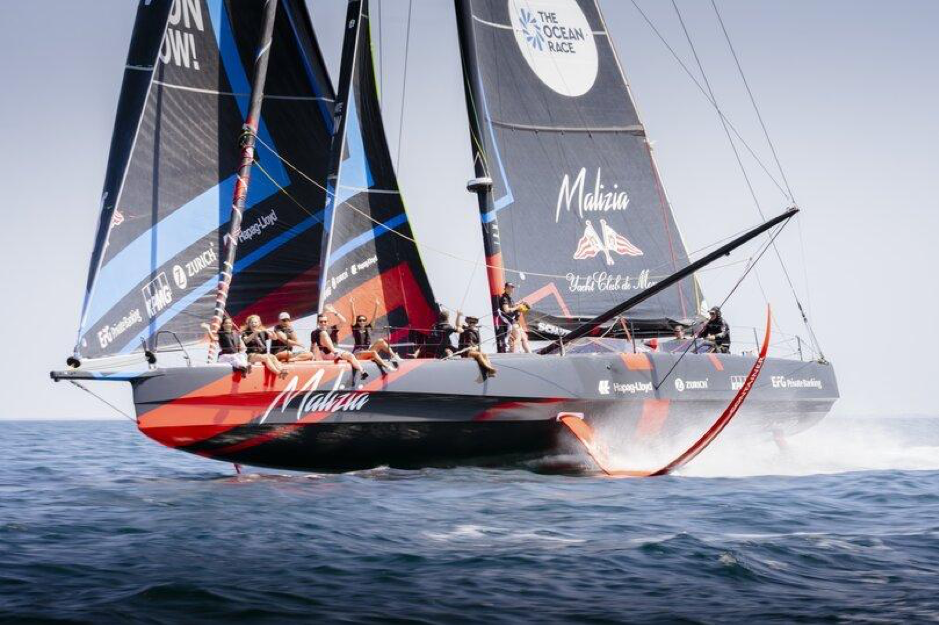
For Malizia, the result was even more impressive considering the problems they had faced during the crossing. Damage to the control system of their port foil forced the crew to improvise a solution and live with the problem for much of the race. Despite that setback, they never stopped pushing and came close to producing one of the biggest comebacks of the race. After being more than 100 miles behind at one stage, they managed to fight their way back into the battle for the podium.
United by the Ocean, meanwhile, once again showed that having the newest boat is not necessarily enough to win a race. Their IMOCA is not one of the latest designs in the fleet, but Meilhat and his crew knew exactly where its strengths were. The boat struggled more when the sea became rough and the waves were big, but in medium or light winds and on flatter water it proved to be extremely competitive. Those were precisely the conditions waiting for the fleet towards the end of the race.
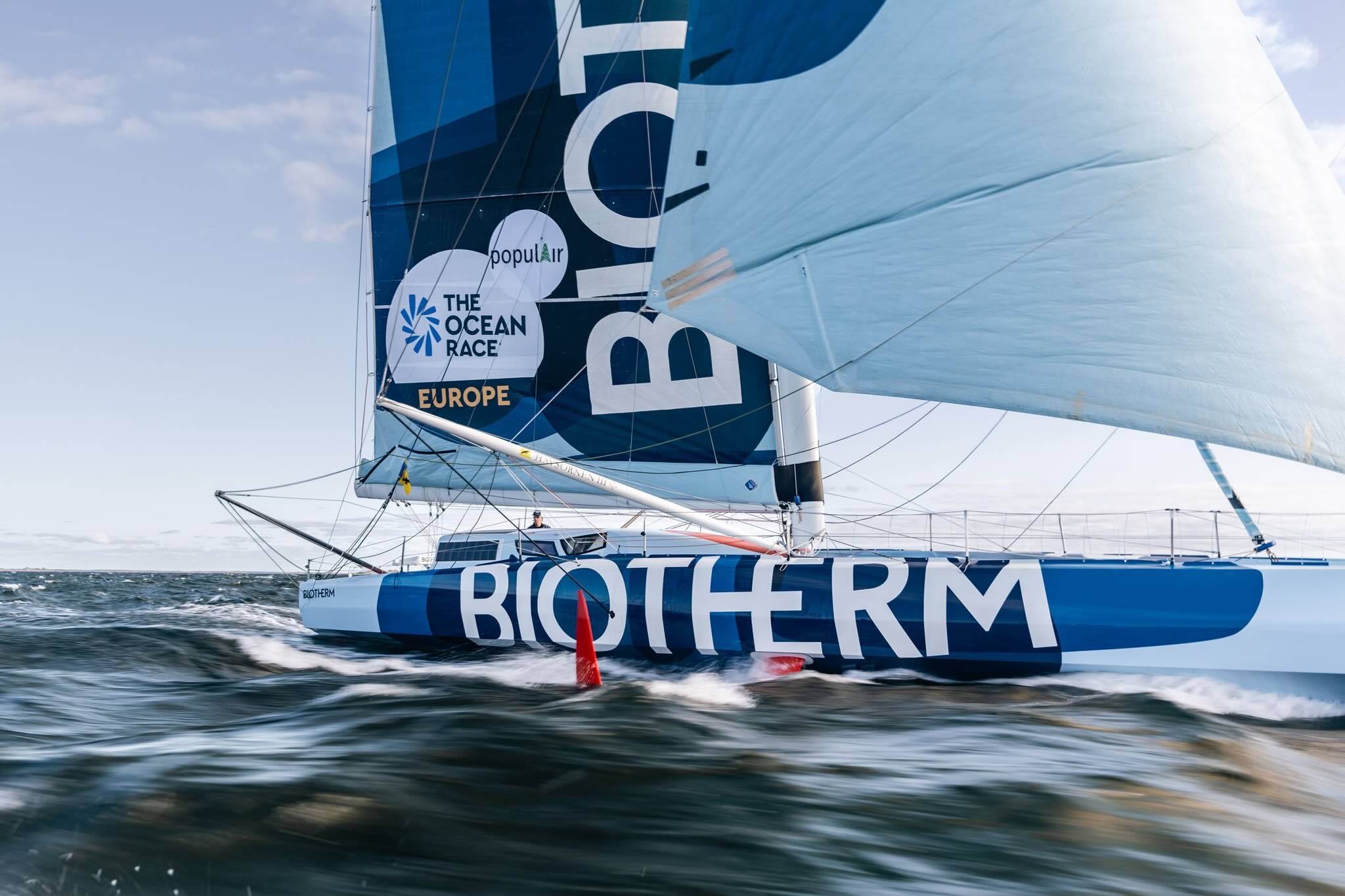
This is also not Meilhat's first important victory with the boat. The same IMOCA, when it was still racing under the name Biotherm, helped him win last year's edition of The Ocean Race Europe. Once again, the combination of the boat's strengths and the team's experience proved enough to beat newer designs in a race where the smallest decisions could make a huge difference.
For the crews, however, the result was about more than just the final positions. The week across the Atlantic had been a serious test, with the fleet spending several days riding the edge of a low-pressure system in difficult conditions. The boats were pushed hard, and so were the sailors. Samantha Davies, sailing on DMG MORI Global One, described the race as an important learning experience for her international crew, particularly with their sights already set on next year's round-the-world edition of The Ocean Race.
Team Malizia had a similar feeling despite finishing fourth. Cole Brauer spoke about how difficult the final result was to accept after everything the crew had gone through, but she was also proud of the way the team had responded to its problems. The damaged foil system, the heavy weather and the lack of sleep made the crossing particularly demanding, yet the crew continued to push until the very end.
Behind the leading four, Oliver Heer's Embrace the Challenge became the fifth boat to finish, crossing the line during the early hours of Friday morning. Their race had started positively, with the Swiss team keeping pace with the leaders during the opening days. However, damage to the mainsail in the rough conditions in the middle of the Atlantic cost them valuable time and eventually separated them from the main group.
Even so, Heer described the result as a positive one. For a new crew sailing an older foiling IMOCA, finishing around half a day behind the winner in their first race was a result they could be proud of. The team also managed to win two of the eight Super Sprints during the race, showing that there was plenty of pace when the conditions suited them.
The only boat still at sea is Conrad Colman's MSIG Europe, which was expected to reach Lorient during the weekend. Their position at the back of the fleet tells only part of the story, as the non-foiling boat faced very different conditions from those experienced by the leaders.
The first edition of The Ocean Race Atlantic has therefore delivered almost everything a race organiser could have hoped for. There were strong winds, rough seas, speeds of more than 30 knots, tactical decisions, technical problems and, above all, an incredibly close finish. Four boats were still in contention for the win on the final morning, and the result was not clear until the last few miles.
In the end, United by the Ocean and Paul Meilhat have their names in the history books as the first winners of The Ocean Race Atlantic. They did it after nearly eight days at sea and with less than nine minutes separating them from 11th Hour Racing. After 3000 nautical miles across the Atlantic, it could hardly have been closer.
The first edition has been a great success. After a finish like this, we’ll see you again next year.