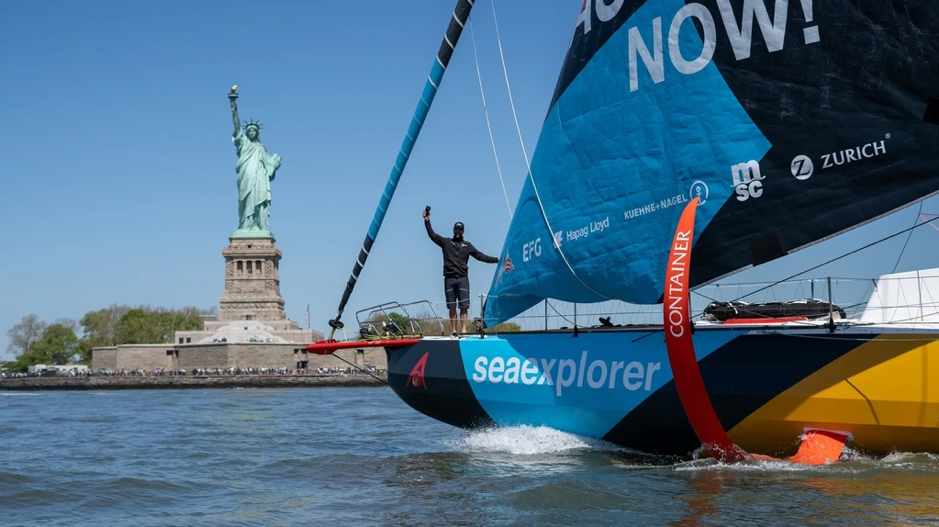
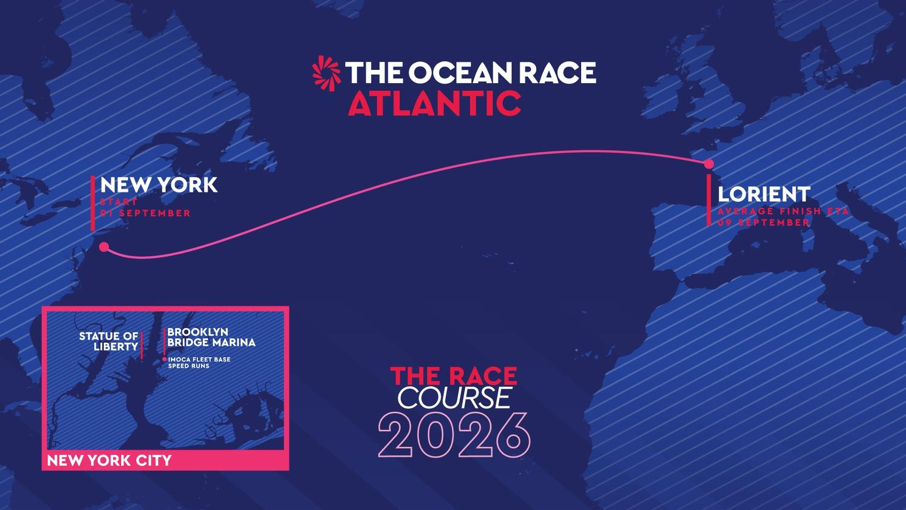
Tomorrow, six IMOCA boats will leave New York and head east across the North Atlantic towards Lorient, France. It will be the beginning of a new race, but also the start of something bigger for offshore sailing.
The Ocean Race Atlantic, a 3,200 nautical mile sprint, will be the first race in the 53 year history of The Ocean Race to require gender parity across the fleet. Each of the six teams will race with two women and two men on board.
It is a simple rule, but one that could have a lasting impact on a sport that has traditionally been dominated by men.
Women have always been part of ocean racing, but they have often been a minority within the crews. During the 2014 to 2015 edition of The Ocean Race, women represented just 18 per cent of competitors. In 2022 to 2023, after teams were required to have at least one woman on board, that figure rose to 28 per cent, the highest proportion in the race's history at the time.
Now, The Ocean Race is taking another step.
Rather than simply asking teams to include a woman, the new rule requires a genuine 50,50 split. For the sailors taking part, this is about much more than numbers.
Francesca Clapcich, the first Italian woman to win The Ocean Race, believes the decision sends an important message to the next generation.
“This new mandate puts world class female sailors in the most visible, high performance setting in offshore racing,” she said. “It sends a message to every young sailor watching from the dock or from the sailing club, there is a place for them in this sport.”
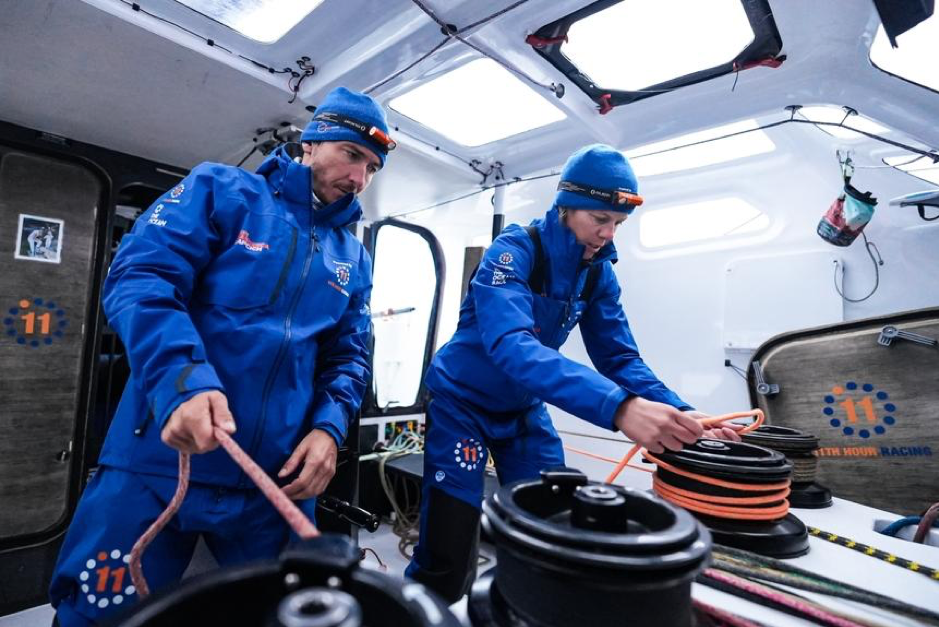
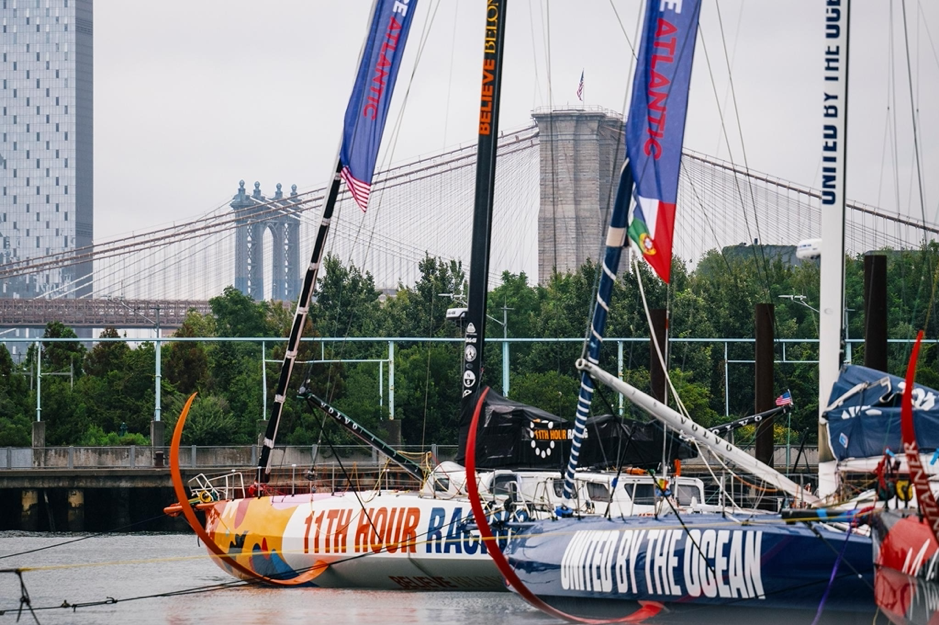
Clapcich will not be watching from the sidelines. She will lead Team Francesca Clapcich powered by 11th Hour Racing alongside Alberto Bona, Elodie Jane Mettraux and Will Harris. For her, the change is also about creating an environment where women no longer feel they have to prove that they belong.
And that message will extend beyond the race itself.
Around the start in New York and the finish in Lorient, a series of initiatives will focus on diversity, inclusion and access to sailing. There are technical clinics for women interested in careers in the sailing and marine industries, opportunities for underrepresented communities to get on the water, and activities designed to introduce young people to sailing and the science behind the ocean.
The idea is simple, the conversation about equality should not stop when the boats leave the dock.
Rebecca White, Senior Advisor for Ocean Literacy, Learning, Accessibility and Equity at The Ocean Race, believes the wider ambition is to create more opportunities for people who have historically been left out of the sport.
“The ocean is for everyone, but opportunities within sailing have historically been limited,” she said.
The organisation wants to create more pathways for women and underrepresented groups, both as athletes and across the many roles that make up the wider marine industry. The hope is that one day, equal representation will simply become normal, rather than something that needs to be written into the rules.
There is another important layer to this race. Supported by 11th Hour Racing, The Ocean Race Atlantic is combining elite competition with a wider focus on ocean science, education and sustainability. During the crossing, the teams will contribute to the collection of ocean and climate data, while the event itself will promote ocean literacy and sustainable practices.
So there is plenty happening away from the race course, but tomorrow the focus will inevitably turn to the six boats and the battle across the Atlantic.
The fleet brings together a fascinating mix of experience, ambition and new technology.
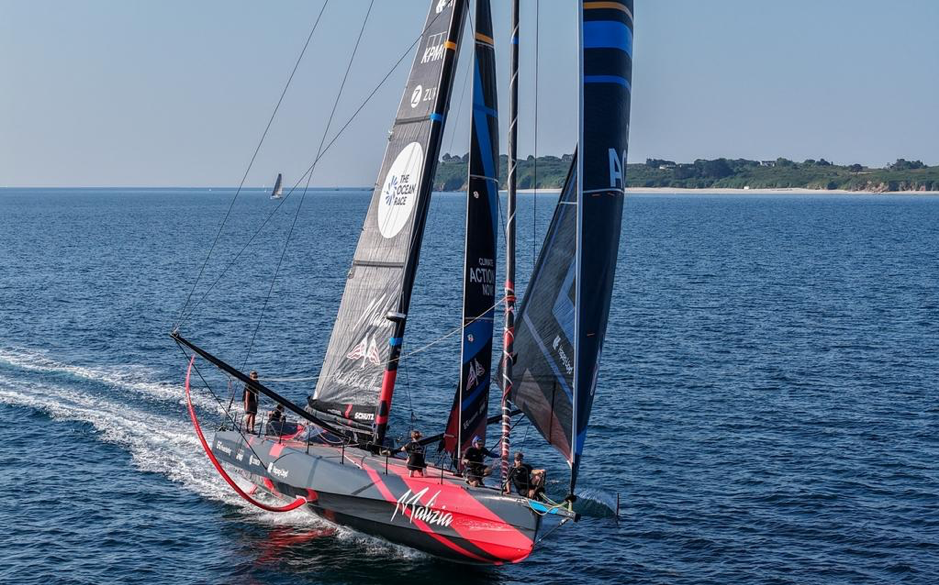
Team Malizia will attract plenty of attention, with Boris Herrmann racing the brand new Malizia 4 alongside Cole Brauer, Justine Mettraux and Julien Villion. The boat was launched in July and has already completed thousands of miles in testing, but tomorrow will be its first major competitive examination.
DMG MORI Sailing Team will also introduce a new IMOCA, led by Japanese skipper Kojiro Shiraishi, with Samantha Davies, Nicolas Lunven and Arisa Moriya completing the crew.
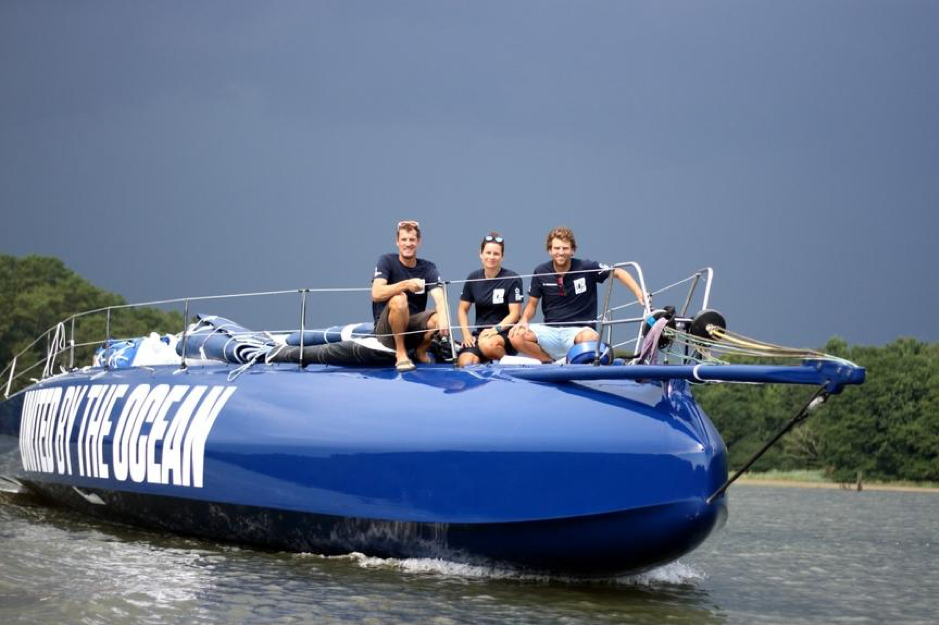
Then there is United by the Ocean, led by Paul Meilhat and Mariana Lobato. Meilhat already knows what it means to race with a mixed crew, having competed with two men and two women during three legs of The Ocean Race 2022 to 2023.
He believes the new rule is a positive step.
“I have been sailing alongside women for 20 years, and their contribution is every bit as important as the men on the team,” Meilhat said. “Having a 50,50 crew ensures there are more opportunities for female sailors to compete at this level. In the end, you want the best team possible, and different experiences, skills and ways of thinking can only make you stronger.”
Team Francesca Clapcich powered by 11th Hour Racing will bring experience and ambition, while Switzerland’s Embrace The Challenge and New Zealand’s MSIG Europe complete a fleet that represents six different countries and very different approaches to the race.
The North Atlantic will provide the ultimate test.
The route from New York to Lorient may be short compared with the traditional stages of The Ocean Race, but it will be anything but simple. The crews will have to deal with changing weather, fatigue, strong winds and the constant pressure of keeping their boats at maximum speed.
The Gulf Stream will play an important role, and favourable conditions could even put the 24 hour monohull distance record of 641 nautical miles within reach. But speed will only be part of the equation. Reading the weather, making the right tactical decisions and keeping the boat and crew safe could prove just as important.
There is also something different about this race. The Ocean Race Atlantic is the first point to point competition in the history of The Ocean Race, offering a new format for sailors more accustomed to the immense challenge of racing around the world.
It is therefore both a beginning and a statement.
Tomorrow, the boats will leave New York and begin their race towards Lorient. They will be racing for position, for speed and, ultimately, for victory. But they will also be carrying a wider message about what the future of ocean sailing can look like.
Women and men competing together at the highest level, not as an exception, but as the norm.
For a sport that has spent much of its history looking towards the horizon, The Ocean Race Atlantic is taking an important step towards a more inclusive future.
The hope is that one day, a 50,50 rule will no longer be needed, because seeing women and men competing together at the highest level will simply be normal.
Tomorrow, the boats will head east. We’ll see you in France.



.jpeg)