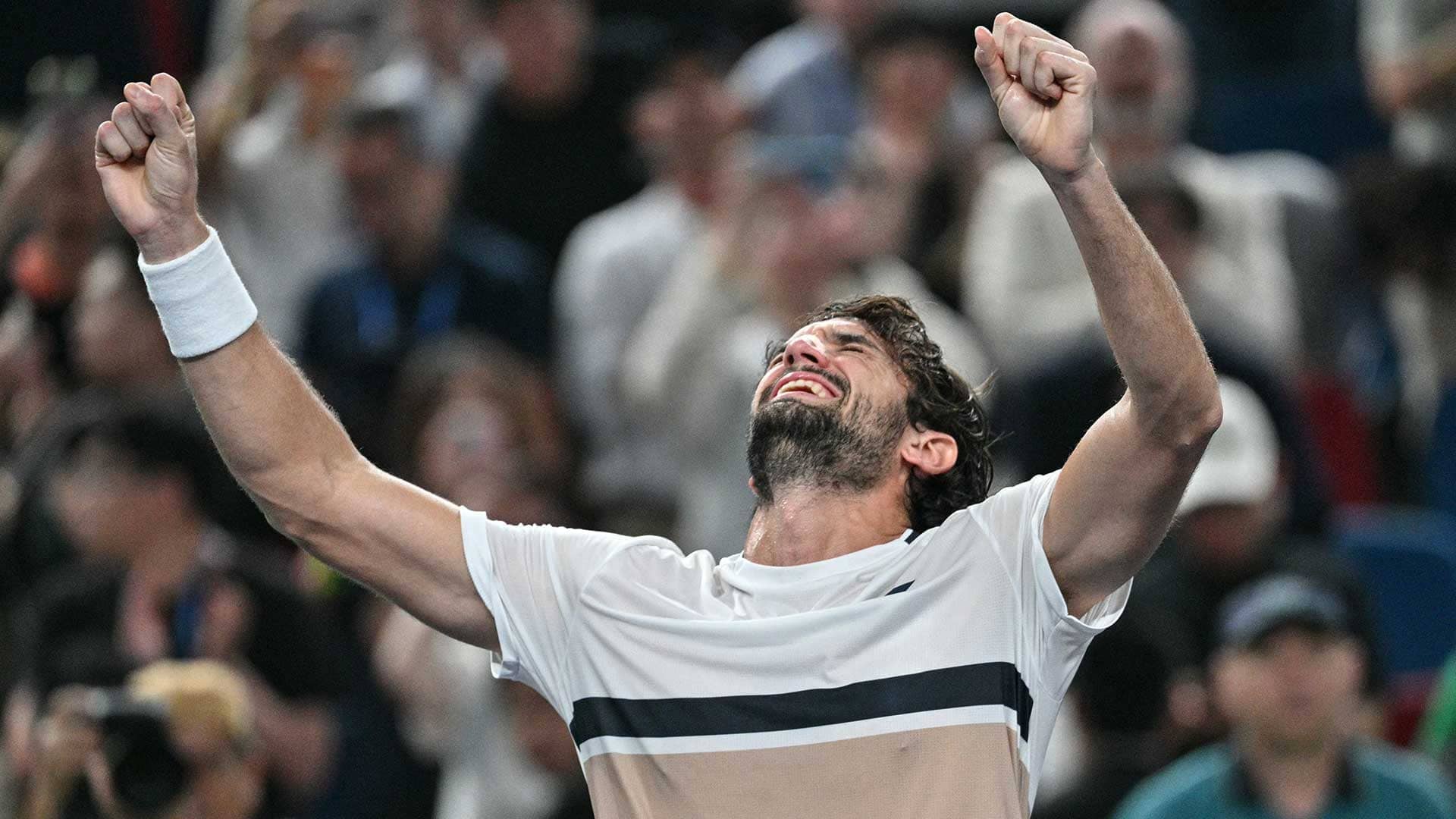
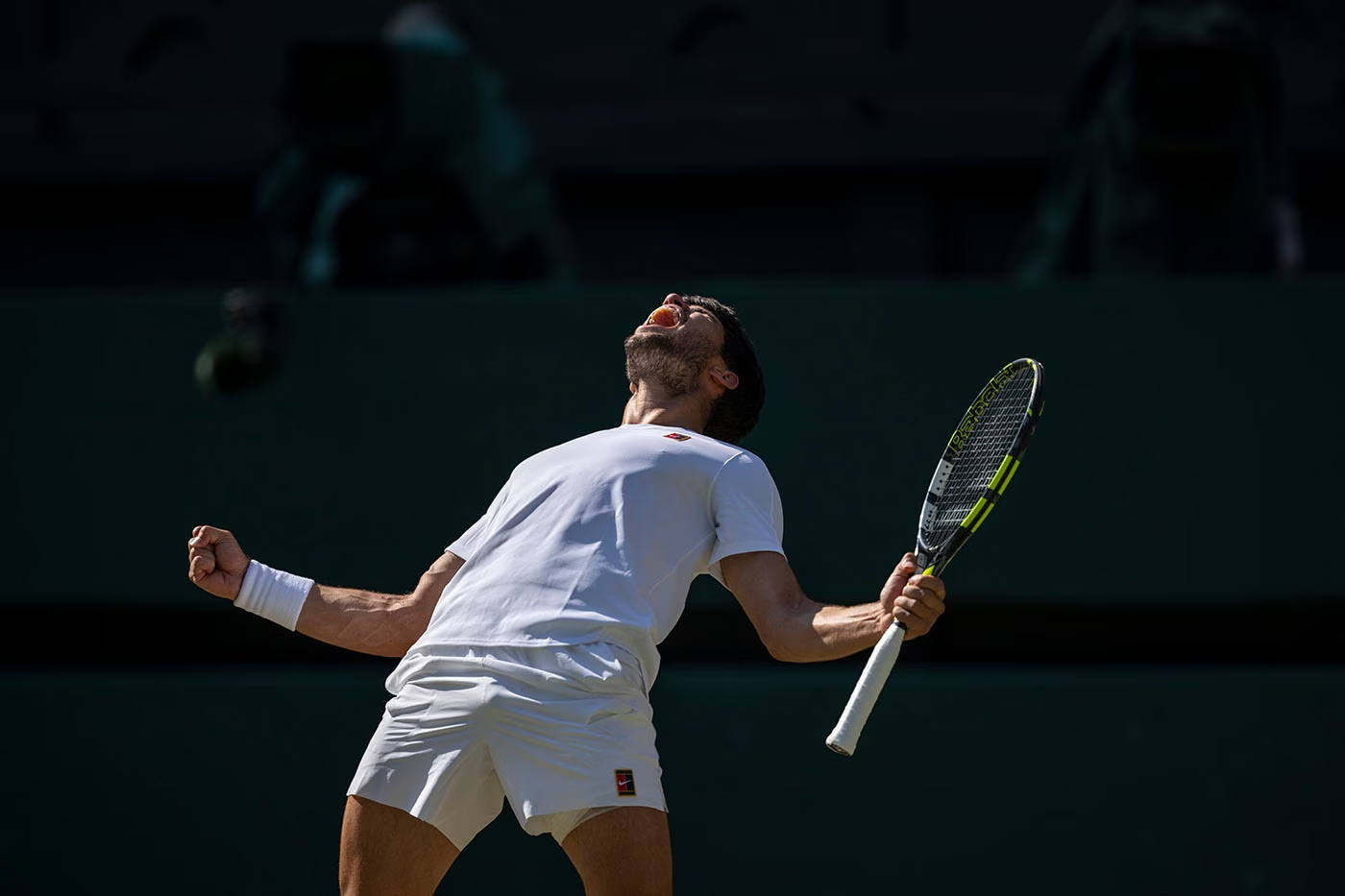
Reflecting on the Madrid Open results and what they signal as the tennis tour turns towards Rome, Jannik Sinner delivered a statement in Madrid, dismantling Alexander Zverev 6-1, 6-2 in under an hour to claim the title and extend a run that is becoming record-breaking. At present, few on the men’s tour - bar Alcaraz or Djokovic - appear equipped to match his level, built on composure, discipline and relentless precision. On the women’s side, Marta Kostyuk brought La Caja Mágica to life, overcoming Mirra Andreeva 6-3, 7-5 in a final shaped as much by intensity as by significance.
It took world No.1 Jannik Sinner just 57 minutes to dismantle second seed Alexander Zverev 6-1, 6-2 and claim the the Mutua Madrid Open title. In doing so, the Italian became the first man to win five consecutive ATP Masters 1000 events, extending his dominance with a ninth straight victory over Zverev. The final itself offered little resistance, but it left a question that lingers beyond the scoreline: how wide is the gap between Sinner - and therefore Alcaraz - with the rest of the tour?
Moments before stepping on court, Sinner and Zverev shared a warm exchange in the players’ corridor: smiles, a brief embrace and the ease of familiarity. Once the match began, that tone vanished. Sinner was locked in with early clinical clarity - as he had done before against Arthur Fils and Rafael Jódar - imposing his rhythm from the outset. His precision and relentless drive altered the narrative of the match from the start: he would dominate his opponent no matter what. Zverev’s stance and posture confirmed this throughout the final.
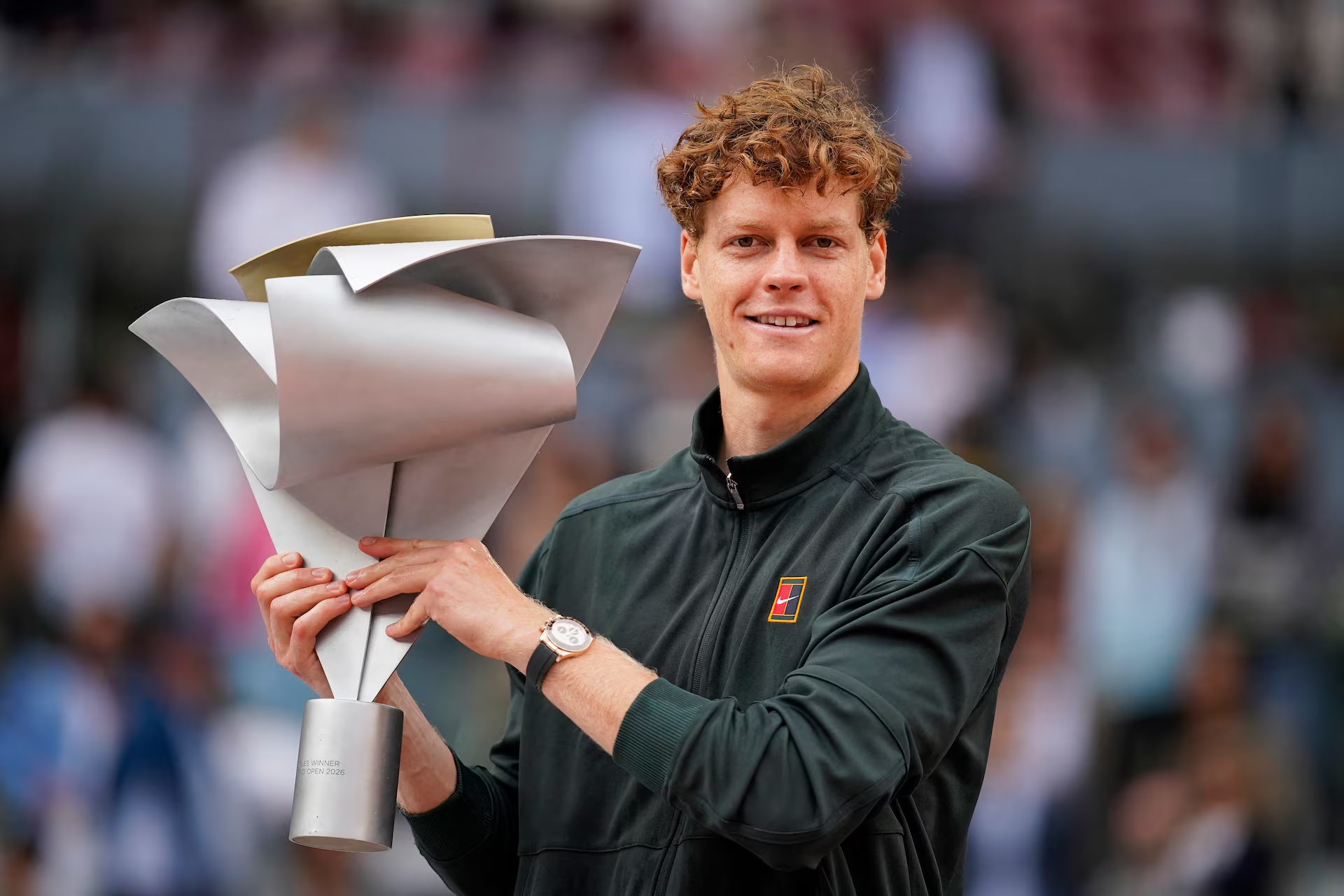
Zverev, widely seen as the most credible challenger on clay in Alcaraz’s absence - and a contender for Roland Garros, should Djokovic remain away - never settled. Broken in his opening service game, he appeared out of sync from the first exchanges, his level a clear departure from the form that had carried him past Blockx days earlier. The scores told the story: 6-1, 6-2, the second set following the same pattern, Zverev unable to bridge the gap and hitting missed balls throughout. The first set slipped quickly, 6-1. The second followed a similar pattern, Zverev unable to bridge the gap and hitting missed balls all throughout. His nine straight defeats to Sinner raises deeper questions on not just his level, but the belief in himself. How bad does his mindset alter when facing Sinner?
For Sinner, the momentum continues. Since his Australian Open semi-final defeat, he has played 23 matches, and won them all. With Rome approaching, the question is no longer one of form, but of management. A home tournament, nine days to recover, and Roland Garros immediately beyond. For now, only one rival feels capable of disrupting that trajectory: Novak Djokovic, should he return in Paris.
Marta Kostyuk arrived in Madrid carrying more than form: she carried a hero narrative that found its release on Sunday. Representing Ukraine, the 23-year-old delivered the finest performance of her career, defeating Jessica Pegula and Linda Nosková en route to the final, before overcoming Mirra Andreeva 6-3, 7-5 to claim her first Masters 1000 title. It was a victory shaped by firepower and movment as much as by emotional maturity.
Kostyuk’s deeper shift lied beneath the tennis. This season, the Ukrainian has shown a new consistency - arriving in Madrid off a title in Rouen. But more importantly, a reworked relationship with the sport itself. She has spoken openly about turning to therapy, describing tennis as a source of “constant emotional bombing from the inside”. This burden more than once held her back: a player many expected to rise rapidly after her early breakthrough at 15. In Madrid, that weight appeared lighter, her focus steadier and her responses measured rather than reactive.
On court, she imposed herself from the outset. Against Andreeva, she dictated from the baseline, absorbing the younger player’s energy before gradually taking control. At 5-5 in the second set, she found the decisive break, stepping forward to serve for the title. On her third championship point, she rushed to the net with intent, forcing Andreeva’s final attempt to sail long. Kostyuk dropped to her knees, hands to her head and tears in her eyes. Years of hard work, a war in her home country and her first WTA Masters 1000 title all reconciled in her mind.

The aftermath carried its own weight into the trophy ceremony. As has been her stance, Kostyuk did not offer a handshake to her Russian counterpart and the ceremony unfolded with sligh awkwardness. Andreeva, shaken, sat down in tears, while Kostyuk marked the moment with a celebratory backflip before addressing the crowd. Her speech returned to a central theme: consistency and the discipline of showing up regardless of feeling. She then turned to gratitude, to family and to something larger: “Glory to God and Glory to Ukraine,” she said, using the Madrid stage to project a message far beyond tennis. Kostyuk will now prepare for a Rome run, where her consistency will be put at a test.
The next combined tournament, The Rome Masters, starts on June 7th and run until Sunday, June 17th. They are also an ATP & WTA combined tournament.