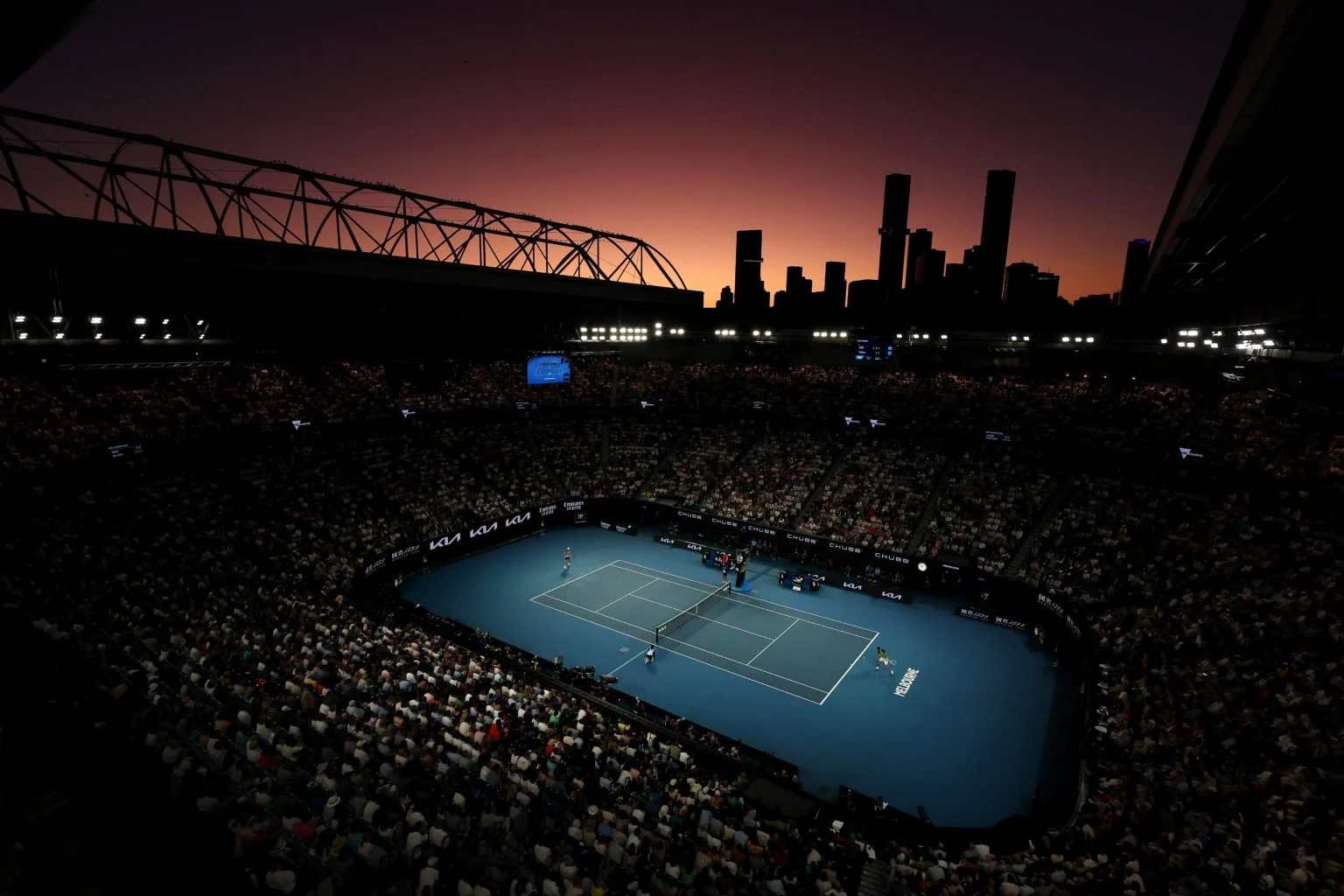
The road to the Australian Open began today in Melbourne as qualifying got underway and 256 players across the men’s and women’s will step onto court in the coming week to claim one of 32 places in the main draw, which begins on Monday 19th of January. For readers following the tennis from Europe, Melbourne sits 11 hours ahead, meaning matches will likely occur in your sleep. Nonetheless, Living Sports will be covering for you. Below, we bring to you five takeaways to be synced and ready to tune into the tennis season’s first Slam of the year.
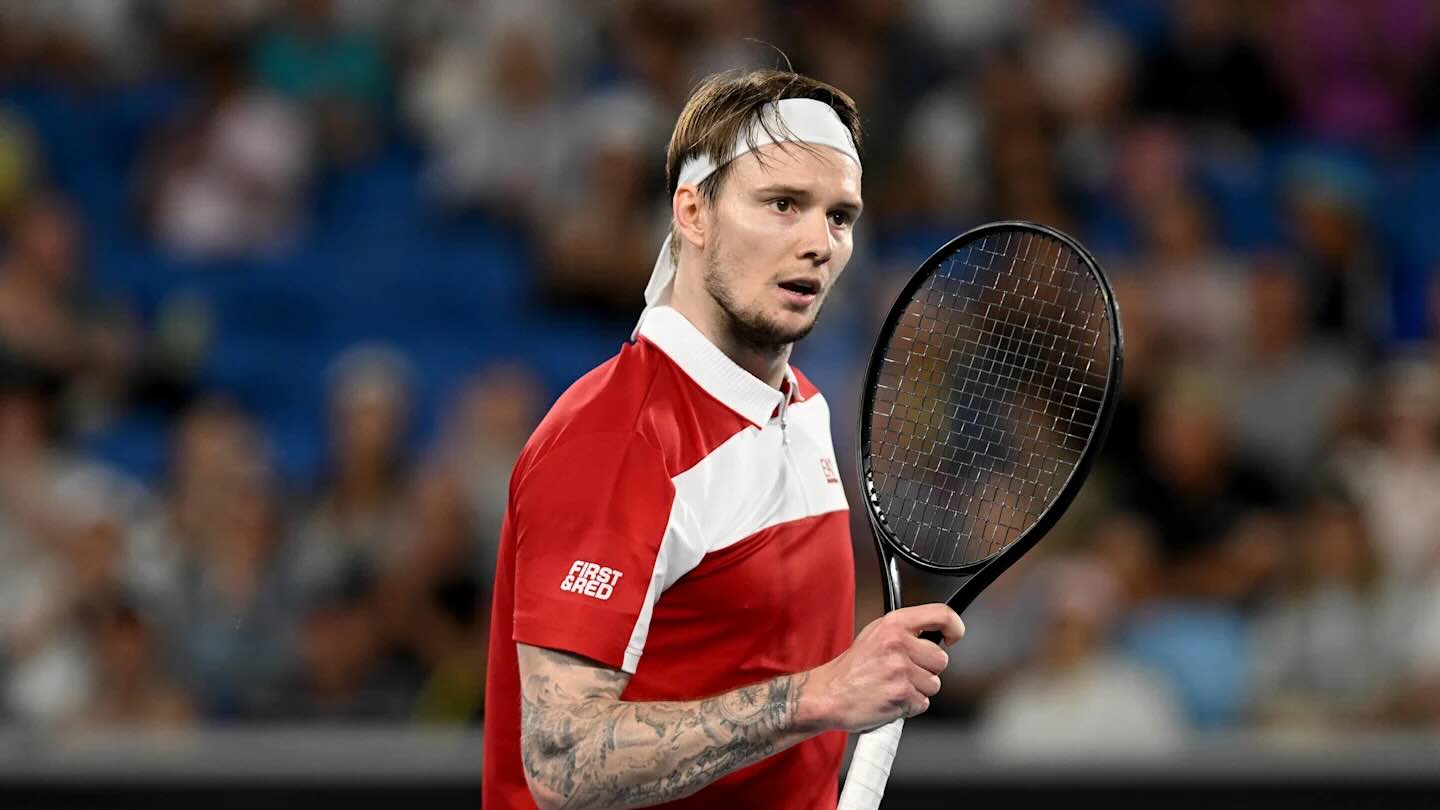
Just a year ago, Jannik Sinner sat atop the rankings as world No. 1, followed by Alexander Zverev, with Carlos Alcaraz an unexpected third. Fast forward to today and the picture has shifted: Alcaraz leads the pack, Sinner follows closely and Zverev has settled back into third.
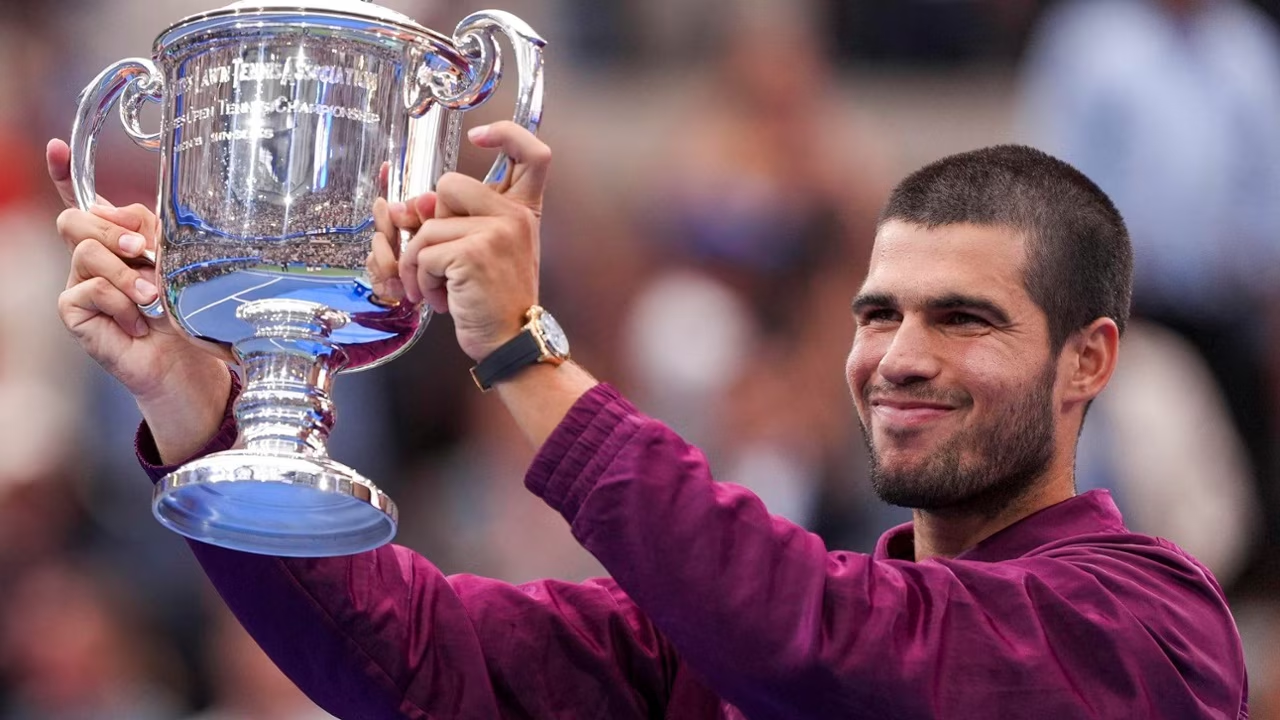
2025 marked a turning point for the Spaniard. His Australian Open campaign ended earlier than hoped, falling in the quarterfinals to Novak Djokovic, yet 2026 now raises a compelling question: could the world No. 1 become the youngest men’s player to lift the Australian Open trophy? Off court, change is already underway. Alcaraz and his inner circle have parted ways with Juan Carlos Ferrero, the coach who guided him to the summit over seven years working together. Stepping in is Samuel López — Ferrero’s former coach and long-time assistant — appointed late in 2024 and widely viewed as a transitional figure in Alcaraz’s evolving team.
Spanish media have floated a range of names — from leading figures within Spain’s tennis elite to Andy Murray — as potential future coaches for Alcaraz. For now, the Australian Open will serve as the first real test of the decision to part ways with Ferrero and place Samu López at the helm. Such transitions rarely settle overnight and can bring moments of instability, particularly in decisive rounds against tough opponents. What is certain is that all eyes will be on Alcaraz and on how his corner manages him when the pressure rises in Melbourne.
On Sinner’s side, Darren Cahill will finally be back in his corner for 2026. Having coached the Italian since 2022, Cahill had signalled his intention to step away at the end of the 2025 season. Yet reports suggest the pair struck a pact at Wimbledon: should Sinner lift the trophy, Cahill would stay on for another year. After a commanding grass-court final win over Alcaraz, the Australian confirmed his extension, bringing continuity and reassurance as Sinner sets his sights on a third Australian Open title.
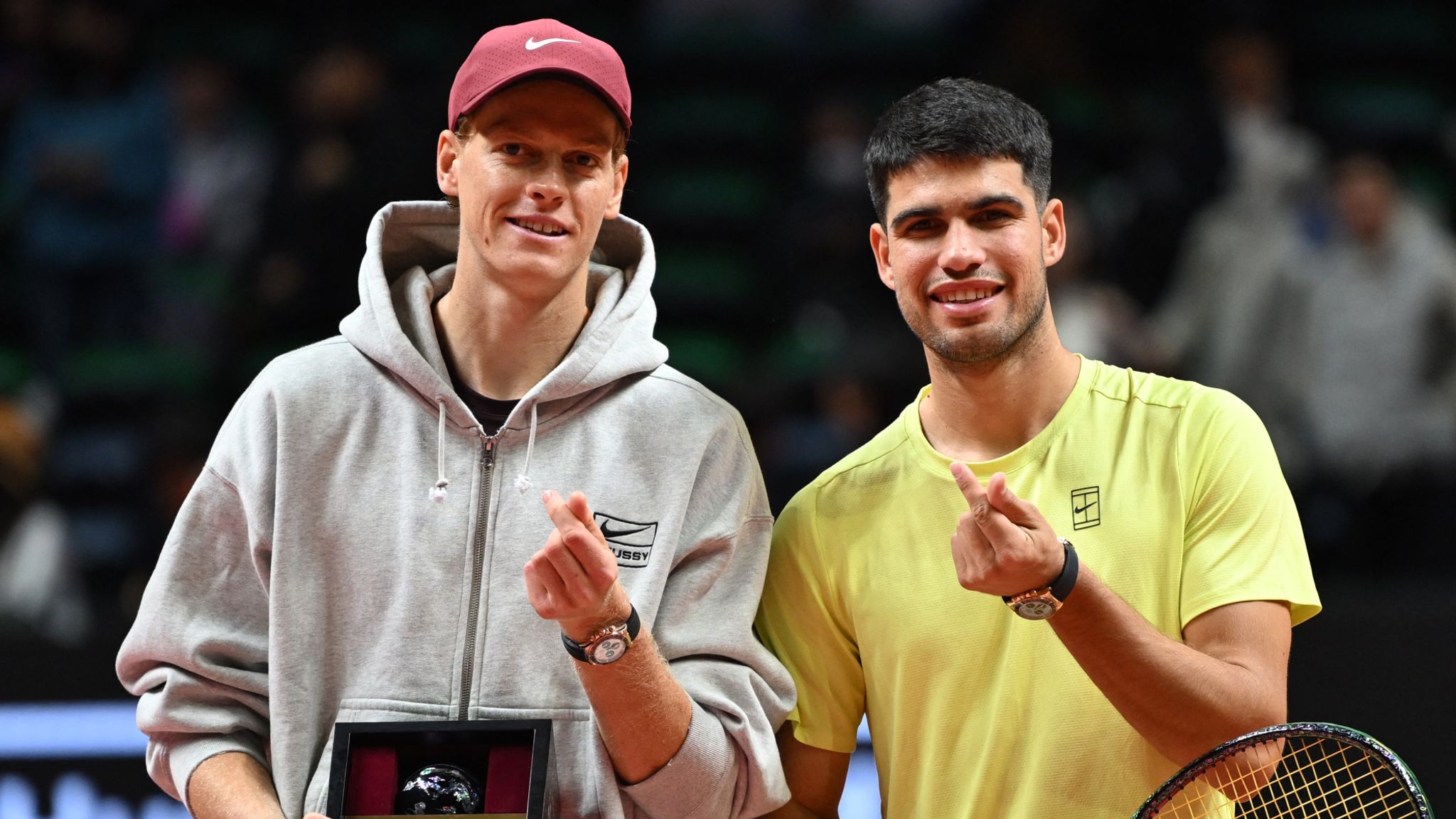
Since his US Open loss to Alcaraz, Sinner appears firmly locked in. He opted out of November’s Davis Cup to prioritise preparation, citing the need to arrive in Melbourne in peak condition. A pre-season block in Dubai followed, alongside a deliberate choice to skip January warm-up events in Australia. His only ‘competitive’ outing came in a friendly exhibition in Korea against Alcaraz, where he fell 6–5, 7–6 but showcased sharp form. Expect subtle tactical tweaks, elite conditioning and hard-court authority from the Italian as he opens the 2026 race for world No. 1.
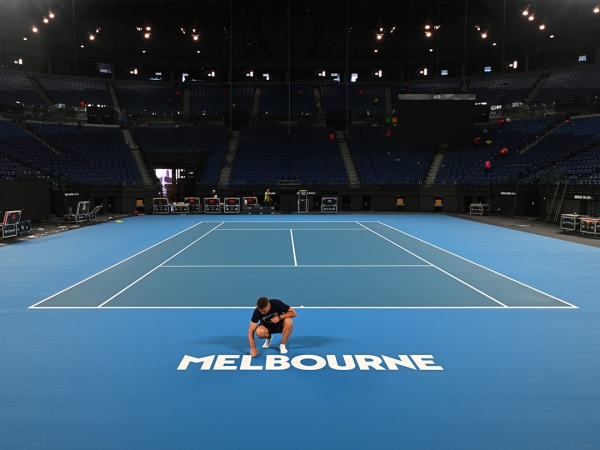
While the Living Sports team writes from what feels like one of Europe’s coldest winters in recent years, the Australian Open remains tennis’s annual invitation to reach for sunscreen and settle into one of the players’ most cherished stops on the calendar. Now widely known as the ‘Happy Slam’ — a nickname coined by Roger Federer — it is the Southern Hemisphere’s only Grand Slam and a place that holds a particular warmth for both players and fans.
A pioneer in innovation, the Australian Open has long embraced technology, from Hawk-Eye to the first retractable roof used at a Grand Slam. At its heart stands Rod Laver Arena, where the energy of Australian crowds, Melbourne’s pull as a player-friendly city and the ever-shifting weather combine to create a tournament unlike any other.
This year’s wildcards add further intrigue. Former champion Stan Wawrinka is set to play what is expected to be his final Australian Open at the age of 40, a return sure to resonate with local fans after his unforgettable 2014 run, which included a quarterfinal victory over Djokovic. Joining him is home favourite Nick Kyrgios, back on court in doubles. After nearly four years away due to injury and surgery, ‘King Kyrgios’ returns to Melbourne to do what he does best: entertain.
Women’s tennis’s leading force at present is, without doubt, Aryna Sabalenka. Fresh from a much-discussed Battle of the Sexes exhibition against Nick Kyrgios — a contest shaped by altered rules and court dimensions — the Belarusian returned to competitive action in Brisbane, where she lifted the title with a controlled 6–4, 6–3 win over Marta Kostyuk.
2025 proved a defining season. Sabalenka claimed major WTA 1000 and 500 titles early on, before elevating her level in the latter half of the year to secure the US Open and reclaim the world No. 1 ranking. Her Melbourne story last season fell just short of history. A strong Australian Open run ended in the final, where Madison Keys edged her in three sets (6–3, 2–6, 7–5), denying her a third Happy Slam. Yet the slate is clean once more, and Sabalenka has already struck a winning note. In Brisbane on Sunday, she showed a more rounded edge to her game — not just raw power, but tactical variety, net play and controlled aggression. All signs point to another deep run in Melbourne, and perhaps a third Australian Open crown — one that would draw her level with Martina Hingis in the tournament’s history.
Australian fans share a bond with Novak Djokovic that few players ever experience. He remains the tournament’s most successful champion, having won all ten Australian Open finals he has contested and its most compelling performer. Melbourne’s night sessions have long been his stage, where theatre and tennis merge. To watch the most decorated player in the sport under the Australian sky is a privilege — this is where Djokovic has so often delivered his very best.
Yet his winning aura cracked in 2024, when Jannik Sinner halted his run, and again in 2025, when injury forced him to retire in the semifinals against Alexander Zverev, despite a statement win over Alcaraz in the quarterfinals. As this edition unfolds, the question lingers: will Djokovic’s body allow him one more charge at the summit, or will the pace and power of the next generation finally prevail? Either way, his matches will draw full houses. This may yet be his final Happy Slam — and when the most decorated champion returns to his favourite stage, Melbourne knows not to look away.
The Australian Open main draw gets underway on Monday 18 January — or late Sunday night for readers following from Europe. Join us on Living Sports for live commentary, daily round-ups and in-depth match analysis throughout the fortnight.