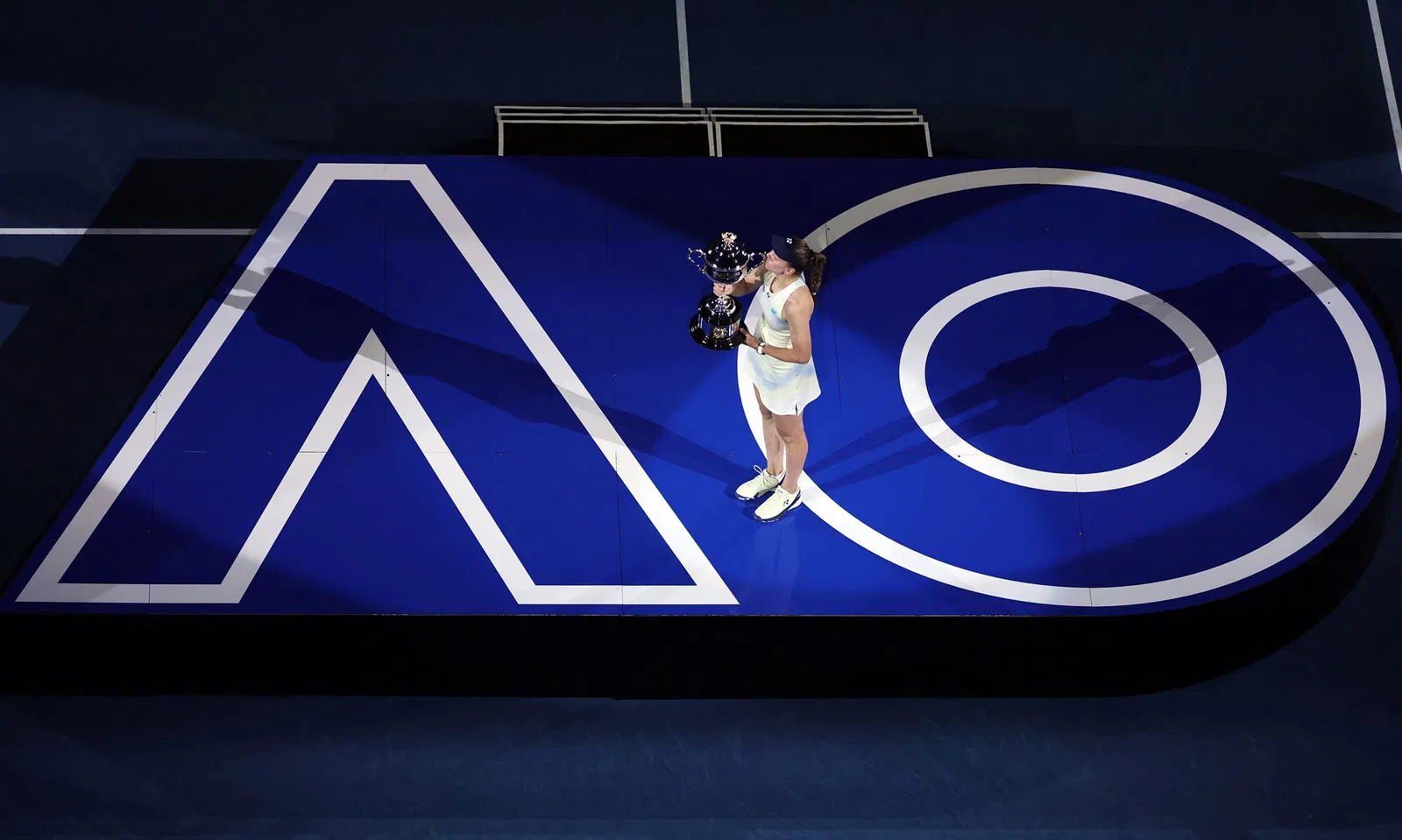
Jeddah has been home to a week of entertaining, fast-paced and hungry tennis. While the courts may have looked unfamiliar without doubles lines, and the best-of-five format caught many off guard, the Next Gen ATP delivered the world’s eight best players aged 20-and-under (by age, not ranking), all chasing the same goal: to etch their names into the minds of tennis fans — and brands alike. And it was 2024’s runner-up — and perhaps the most talked-about player in the field — who lifted the trophy: Learner Tien. But first, let’s rewind the past week.
This past week has been an enjoyable one, marked by top-level performances — from Alexander Blockx smashing past less experienced opponents, to Learner Tien once again showing why he reached last year’s final, only to fall to João Fonseca. Yet you may be wondering: how did the 20-year-old American-Vietnamese Tien lose his opening match to Rafael Jódar of Spain and still progress all the way to the final?
The answer lies in the Next Gen ATP’s subtly adjusted format. The tournament draw was not built around straight knockouts. Instead, players were split into two groups — Red and Blue — with the top two ranked players (based on points earned during the 2025 season) placed in separate pools. The structure differs from your traditional Grand Slam or Masters format: each player faces every other player in their group, with the top two advancing to the semi-finals. That is how Tien remained in the game and earned his route back to the final stage of the tournament. That, and his talent for comebacks.
Rules were changed, and tennis felt different. While the organisers stated that every match would be played as a best-of-five-set encounter, it was the first player to reach four sets who advanced — no extra, sixth set contemplated. Another curious rule at the Next Gen ATP was the use of a deciding point at 40–40: the server could choose to play a single, sudden-death point instead of a traditional deuce. In other words, hold or break — and the game was over. No endless deuce exchanges. Strange, right?
While other tweaks to main-tour rules were also in place (you can find them here), the real question that remained to be answered is, why?. To put it simply, the Next Gen ATP is the ATP’s laboratory for innovation, designed to entice younger audiences into the sport. Do Gerard Piqué’s changes to the Davis Cup ring a bell? It’s not quite the same approach, but the intention is similar — to shape a competition where shorter matches, younger players and adapted rules speak to the next generation of tennis fans. Whether that goal has been fully met remains open to debate, but at the heart of these experiments lies a clear ambition: to help tennis grow beyond its ageing core audience.
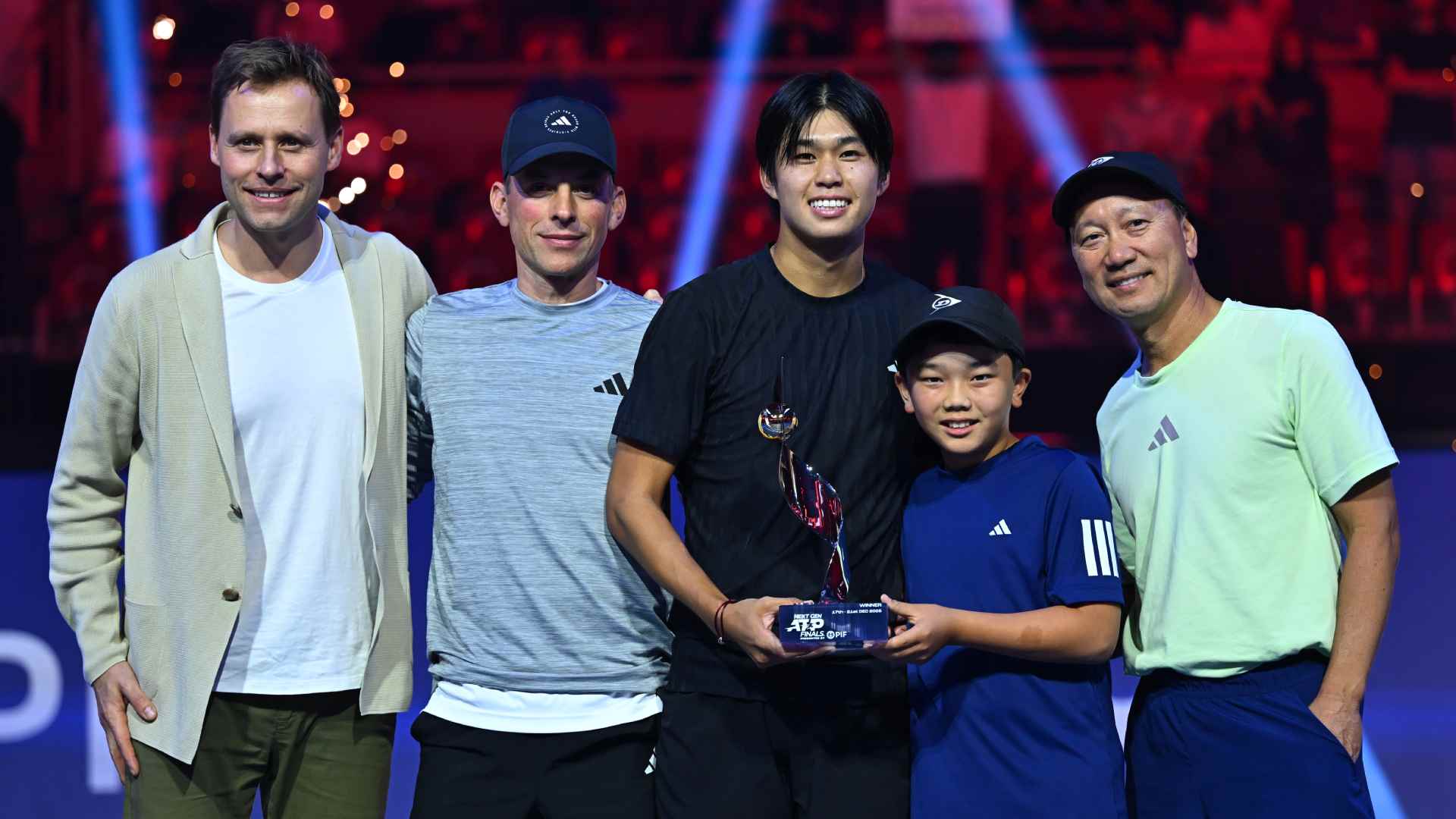
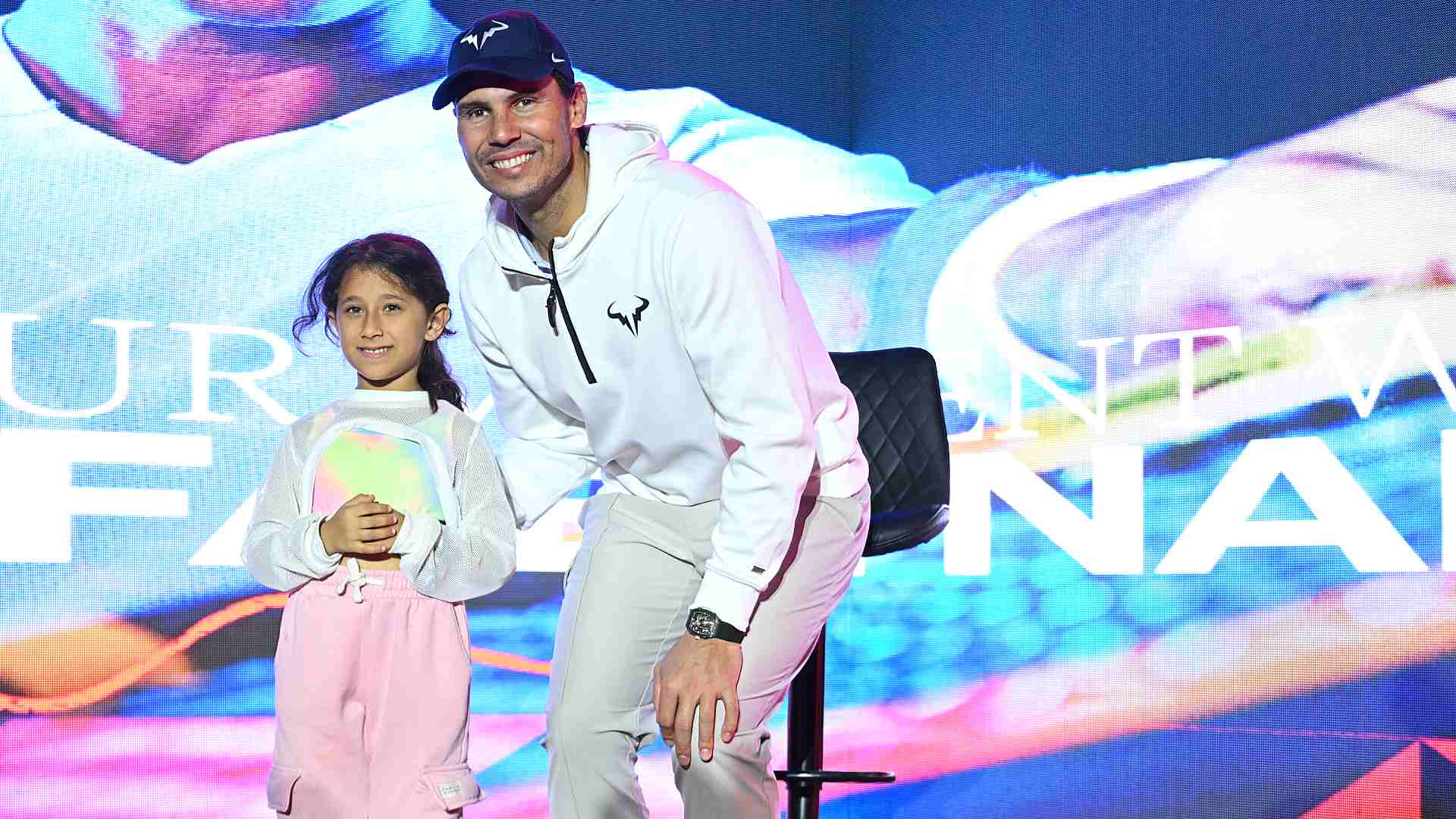
Under the watchful gaze of Rafael Nadal, Tien delivered a dominant, one-sided performance against the tournament’s second seed, the explosive Alexander Blockx. The final score read 4–3, 4–2, 4–1 in favour of the American, who sits 87 places higher in the rankings and now joins the lineage of champions once held by Alcaraz and Sinner.
2025 has marked a year of clear growth for Tien. He captured his first ATP 250 title at the Moselle Open in November, defeating Cameron Norrie in Metz (France), and produced his best Grand Slam performance at the Australian Open in January, reaching the fourth round. Milestones he has ticked off in part thanks to a change in coaching, with a new team led by former world No. 2 Michael Chang.
Tien’s work has gathered real momentum in 2025. With just three weeks until the Australian Open, his name will assuredly remain in focus, and expectations will inevitably rise. The question now is whether the 20-year-old can use this Next Gen ATP triumph as a springboard beyond the fourth round. A potential showdown with former Next Gen champions would offer a compelling measure of just how far he has come. One suspects that both Tien and Chang are already asking the same question: will 2026 be the breakthrough year? With his name heating up and expectations rising, can Tien move beyond João Fonseca and establish himself as the next generation top contender?