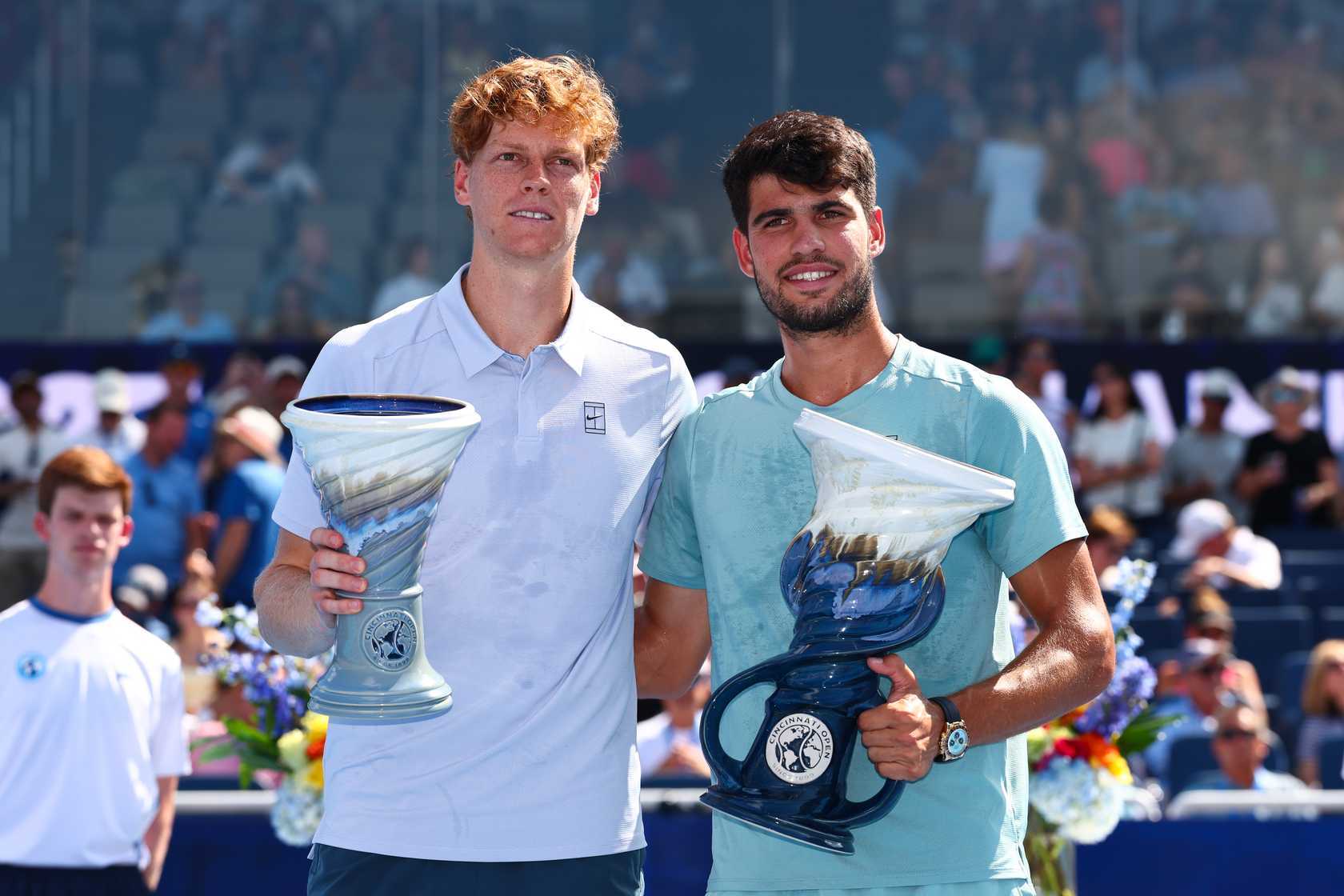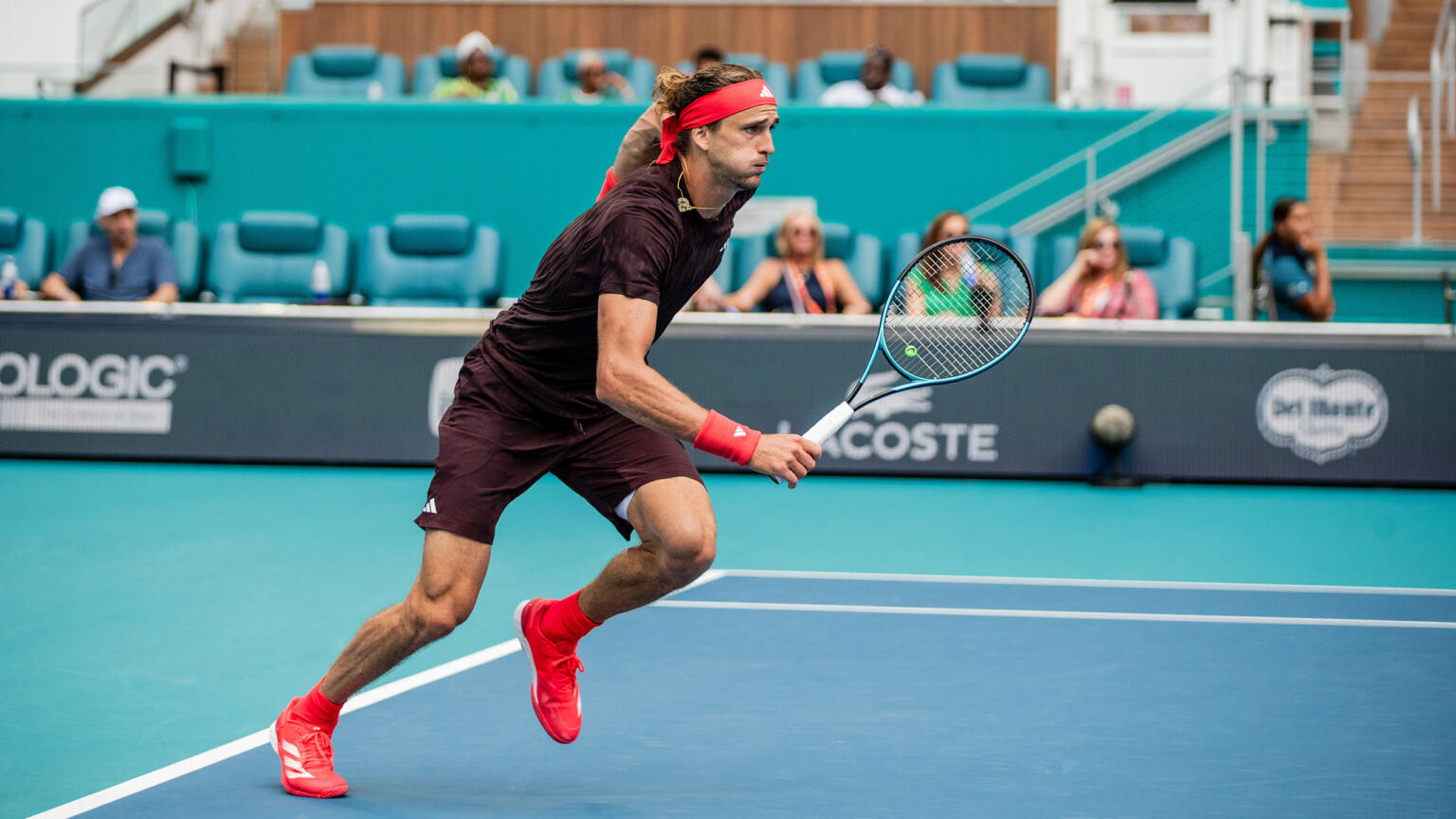
The hard-court season’s final major chapter began yesterday in Miami, where the tour settles at the Hard Rock Stadium until Sunday, 29 March. As the second leg of the Sunshine Double, the Miami Open is set to welcome hundred of thousands of fans to a tournament that feels unusually open to the Sincaraz dynasty. Here are three essentials to understand the Masters 1000 unfolding in Florida.
One question always arises among tenis fans: does Miami have much history? In short, yes. The Miami Open has been a prestigious rendez-vous point since the 1990s for both men’s and women’s tennis. Yet the tournament has undergone significant transformation over the past decade. In 2018, it changed homes, leaving Key Biscayne’s Crandon Park Tennis Center - the sprawling complex where it had been staged since 1987. Capacity was not the central issue. Crandon Park’s Stadium Court held 13,800 spectators, while current seating at Hard Rock Stadium reaches around 15,000. Rather, the move stemmed from site limitations and a combination of legal and environmental challenges surrounding expansion in the area.
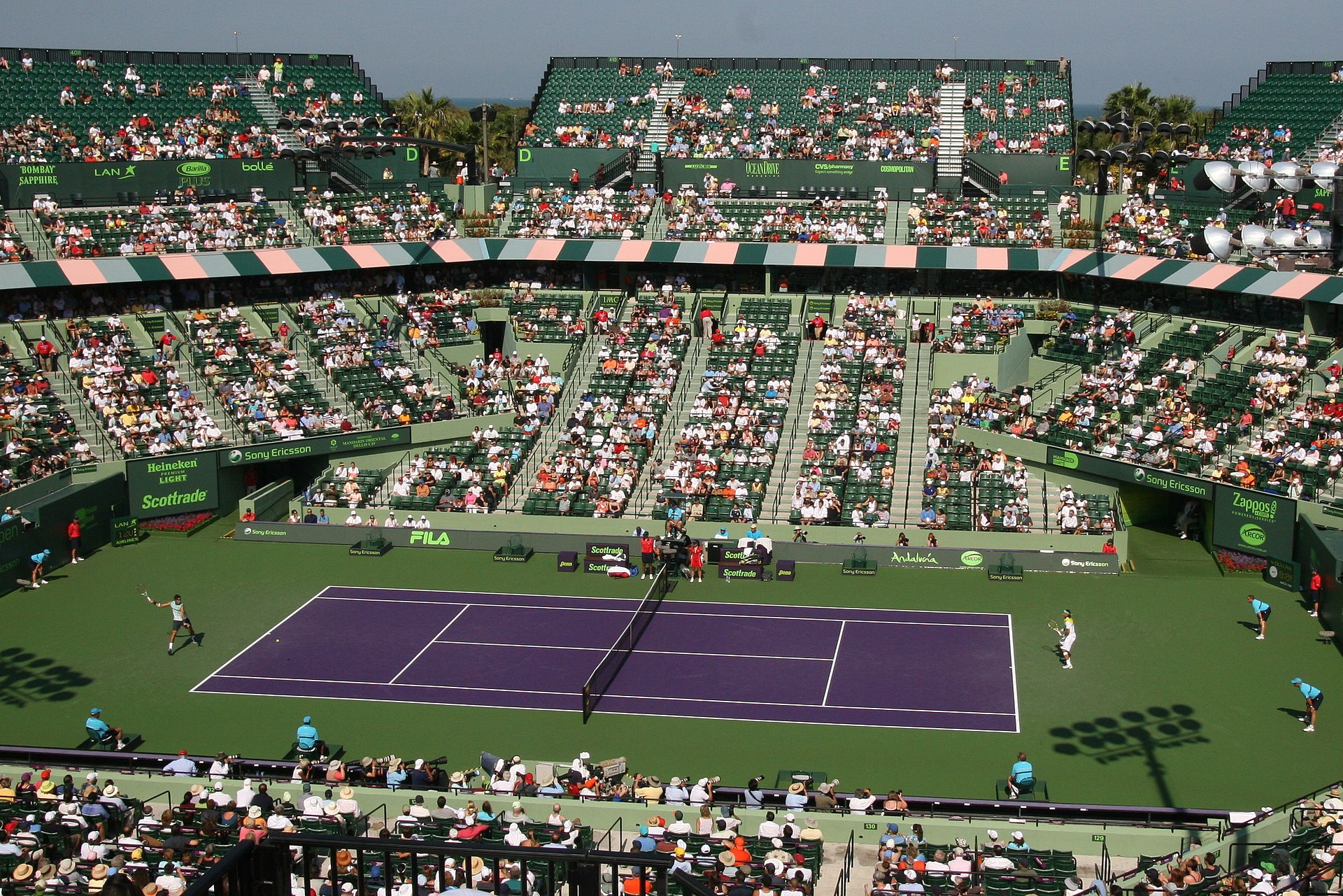
At the end of 2018, NFL billionaire Stephen Ross - owner of the Miami Dolphins and the Hard Rock Stadium - stepped in with a relocation proposal built around clear growth ambitions. His vision has since reshaped the Miami Open into a hybrid spectacle blending elite tennis with entertainment, art, cuisine and premium hospitality. Commercially, the strategy has delivered: the 2019 edition recorded a 25% rise in sales, while attendance reached a record 395,683 in 2024. Although the move initially disappointed purists nostalgic for Crandon Park’s tropical intimacy, the event has evolved into a major entertainment-driven and revenue-generating platform. One that mirrors the ATP’s broader commercial direction - a model that could soon expand further with the prospect of a new Masters 1000 in Saudi Arabia in 2027.
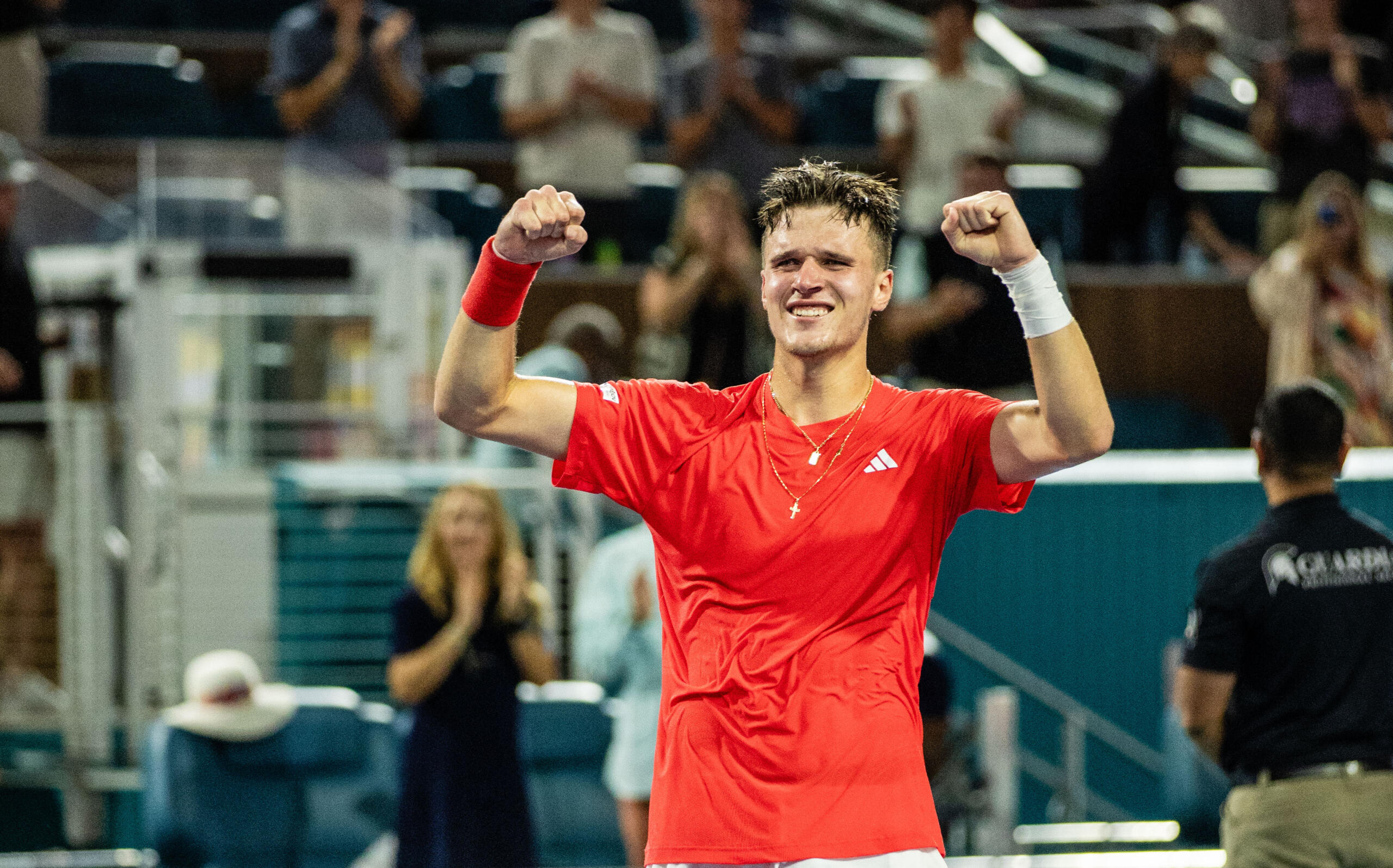
Last year’s Miami Open was a surprising one for the tennis world. First, neither Alcaraz nor Sinner reached the final stage. Carlos had a surprising first-stage loss to David Goffin, ranked 55th at the time, 5-7, 6-4, 6-3 while Jannick was not able to defend his title as he had been suspended following two positive doping tests at the previous Indian Wells tournament. That gave way for Djokovic to hunt down all upcoming talents, successfully reaching the final against 19-year old Czech Next Gen ATP champion, Jakub Mensik. After a delayed presentation due to the rain – something to get used to in Florida – Mensik played the best match of his life. He brought Nole to the tie break in both sets and won them both 7-6(4), 7-6(4) to win his first ever Masters 1000 trophy and become the first Czech too win an ATP Masters 1000 since 2005. Most people on the tour think Mensik has potential to win a Slam. But the 2026 season remains a mystery for the now 20-year old. In Miami, he will be the defending champion. Djokovic, on the other side, will sit this one out and watch from home:an injury, or the fact he wants to be fully fit for the Slam season, has taken him away.
Yet if logic prevails, 2025 Next Gen ATP champion Learner Tien could well emerge as the standard-bearer of the tour’s rising talent - setting up a potential semi-final with Sinner and, perhaps, a genuine shot at the title. All eyes will be on the young American this year.
The Sunshine Double is rarely straightforward when it comes to weather. In Miami, humid, heavy and often sticky air significantly shapes how players must adapt their game plans. Unlike Indian Wells - where the dry Coachella Valley acts as a natural wind tunnel, producing swirling and unpredictable gusts - Florida presents a very different challenge: rain interruptions and dense humidity. Humidity plays a decisive role in ball striking. The heavier the air, the slower the ball travels and the more demanding grip and control become, increasing the risk of muscular fatigue and cramps. Precision can suffer, while stamina and resilience grow in importance when it comes to securing service games and closing out rallies.
Rain, meanwhile - a recurring feature of the Miami Open - adds another layer of uncertainty. On Wednesday this week, for instance, the entire schedule was washed out, forcing players such as Grigor Dimitrov, Matteo Berrettini and Stefanos Tsitsipas to return and compete the following day. Delays, suspensions and cancellations disrupt rhythm and momentum, often levelling the playing field and opening the door to upsets. For competitors, such conditions can be unsettling. For spectators, however, they heighten drama and unpredictability - two elements Miami rarely fails to deliver.

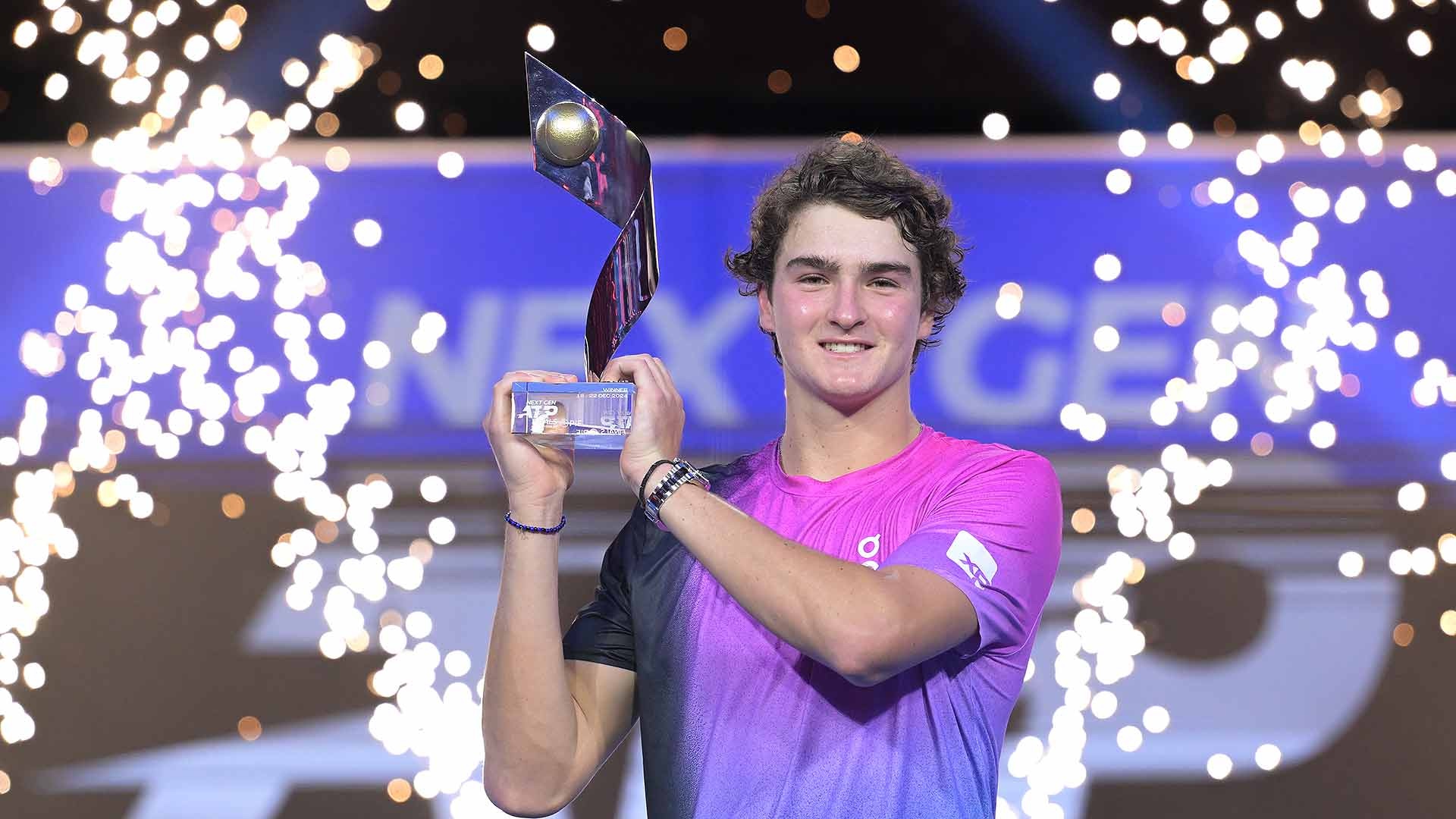
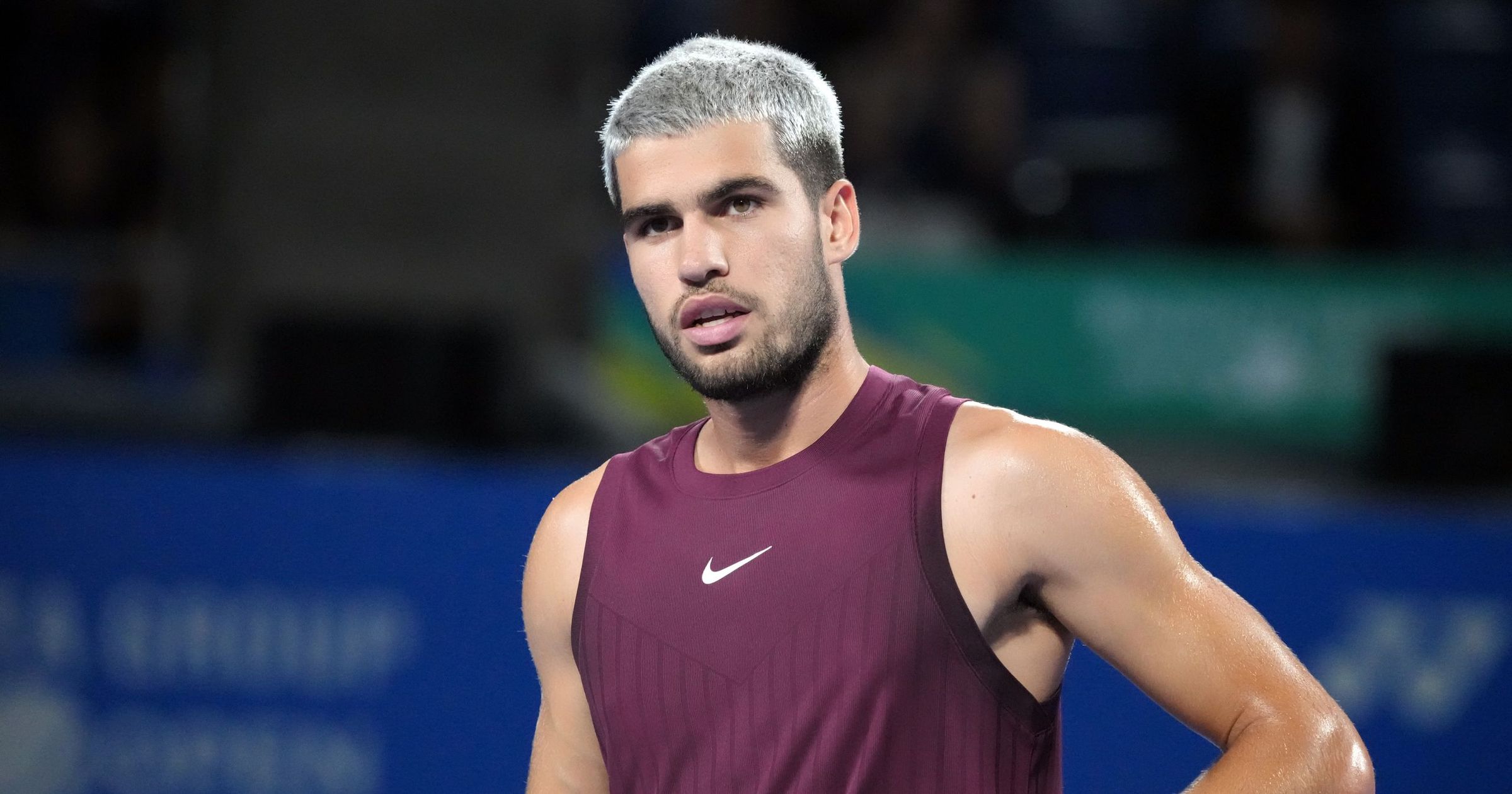
Prepare yourself for a compelling Friday night of tennis. Later this evening, Carlos Alcaraz meets young prodigy João Fonseca in what feels like a continuation of the Brazilian’s recent duels with the tour’s elite. It will be a genuine test of Fonseca’s ability to challenge the sport’s emerging ‘Big Two’ and position himself as a credible contender to that hierarchy. Expect explosive drop shots, spectacular exchanges and relentless court coverage in a clash scheduled not before midnight.
Elsewhere in the draw, Sinner faces the unpredictable - and occasionally volatile - Damir Džhumur. Yet the tournament’s defining battles are likely to emerge in the quarter-finals, from Wednesday onwards, when the Italian could encounter Félix Auger-Aliassime or defending champion Jakub Mensik. Beyond that, potential semi-final showdowns with heavy hitters such as Alexander Zverev or Daniil Medvedev loom on the horizon.
The Miami Open runs until Sunday, 29 March.