When I ask Robert Ettinger, CEO of Ettinger and son of founder Gerry Ettinger, to recount the story behind the Bridle Hide Wallet, the emblematic piece of Ettinger that remains a best seller after over 90 years, he finishes the tale with, “it was a bit of luck.” Later in our conversation, when I enquire about the Royal Warrant that Ettinger was appointed with in 1996, Robert tells me his first thought was, “Right time, right place. A bit of luck.”
By no means do I believe Robert is minimising the great care behind Ettinger products, design, and legacy. I believe this idea of luck stems from the meeting of opportunity and preparation, as the saying goes. What strikes me, however, is the simplicity with which he describes highly complex operations behind Ettinger, and the humility and joy with which the legacy is carried. Simplicity is often the most difficult and sought after state to reach. As writer Natalie Babbitt wrote, “Like all magnificent things, it’s very simple.”
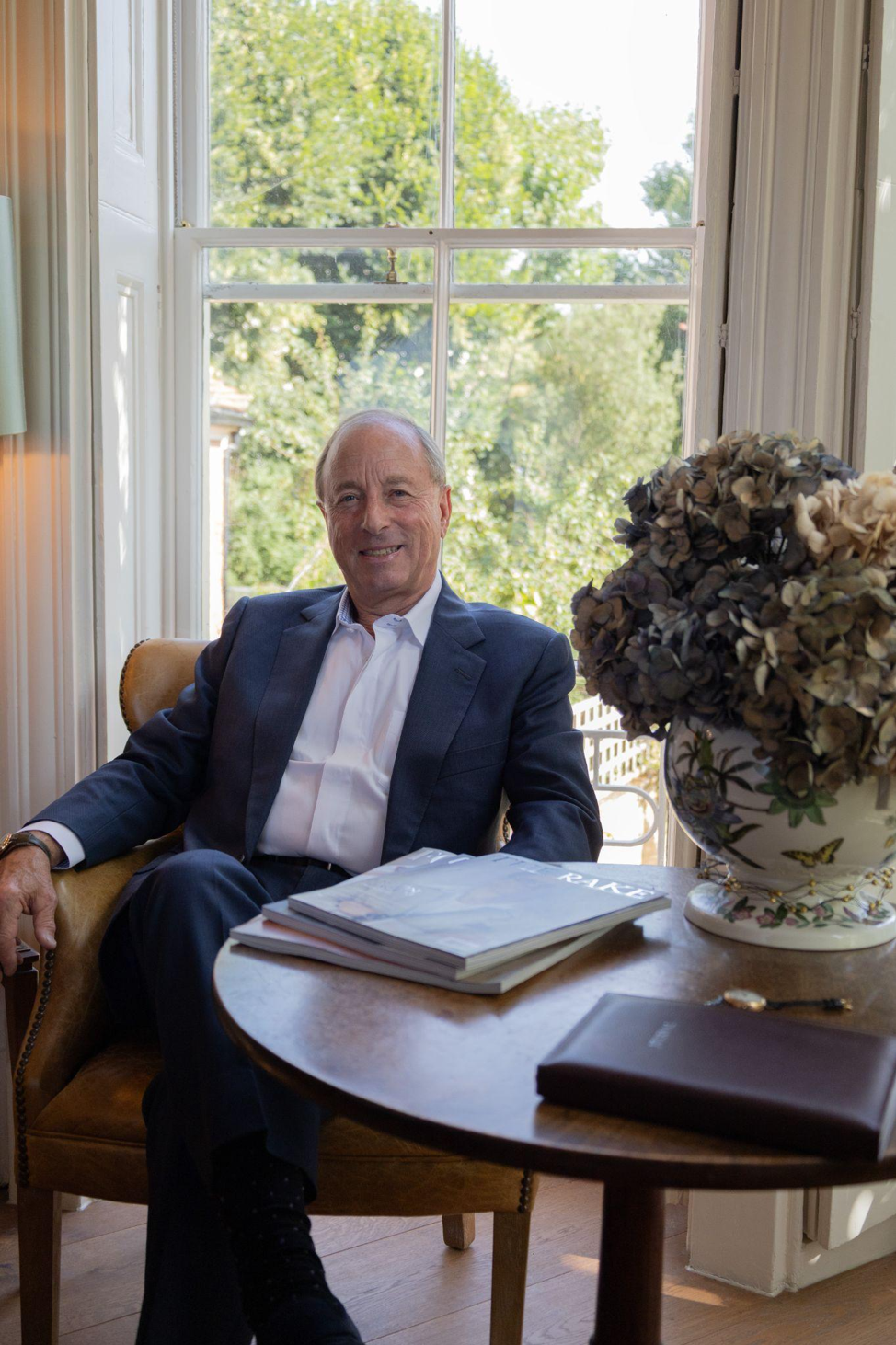
Ettinger, as I learn throughout my conversation, did not design the Bridle Hide Wallet with the intention of impermanence, of creating an icon. That kind of thinking can be blinding. They intended it to be useful, to be beautiful, and to simply last. The rest came from that.
So how did the Bridle Hide Wallet come about? “It all started in the early 1900s,” Robert tells me, “when our factory was making saddles for horses, and we were using saddle leather – we call it bridle hide”. Taking note of a dwindling of orders for saddles due to the rising change from horses to motorcars, and likewise noticing the rise of people using purses and wallets, the Birmingham factory “put two and two together”, and decided to make a wallet. Equipped with bridle hide leather — thick, robust, and traditionally used for the exterior of saddles — and panel hide, a soft vegetable hide, perfect for the inside of saddles, and now to line the inside of the new product in a distinctive, lovely yellow-gold colour – the Birmingham factory created the Bridle Hide Wallet.
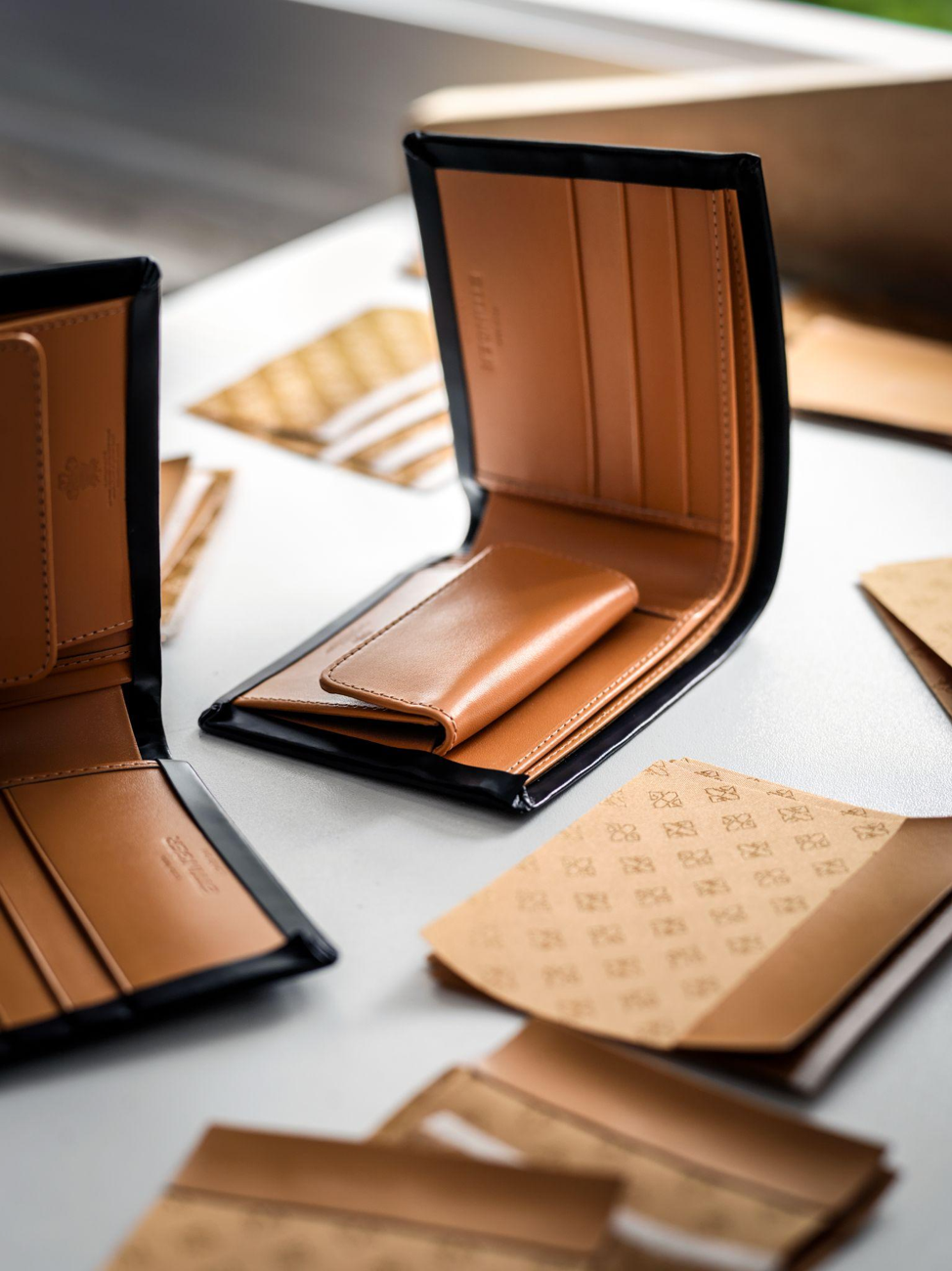
“What’s amazing is that it took off,” Robert says. “It was popular then, and, well, 90 years later or longer, we are still making that collection, exactly as it was.” Except for one change, but more on that later.
Before I can ask how he thinks this design can last untouched for so long, Robert, unprompted, offers, “You know, about 10 to 15 years ago, we were worried that everybody was saying that we were becoming a cashless society — everybody paying with either a card or tapping on the phone — but we are still selling more wallets and purses than we have ever sold before. And I talk to people about it, and they say that actually, day to day stuff like paying for a coffee, yes, they tap in and it’s done, but if they’re going out for a meal, or for drinks, they like to have something — it’s particularly for men, it’s their accessory, men can’t dress up the same way as women can, so having a nice wallet, and a nice watch, that sort of thing, it works. Wallets are still selling.”
Talking to people is an integral part of Ettinger’s design process, then and now, a process that is human and simple — a key, I’m beginning to understand, behind timeless creations. “We design our products ourselves, here in Putney. We tend to sit around in the showroom, where I am now, and we bring in everybody — our factory people, our marketing people, our sales people, and we all sit around the table and come up with ideas, brainstorm ideas.” From 45 ideas during the brainstorm, they whittle the list down to 10 to 12 based on practicality, pleasure, feasibility, and selling vantage. “And then we go away and we mock up samples, and we look at them, and we test them out and we change them a bit and tweak them.”
The talking does not end there. Robert explains that before they launch something new, they test it out: “We give out 5 or 6 of our samples to different people and say ‘Try it out for 3 or 6 months’, and then often they come back saying, ‘You know, actually, it has 3 credit card pockets, it would be better to have 4.’ And then after 3 months or 6 months or even longer sometimes, we launch.”
These conversations have continually guided their choices and led to the expansion of their collection, now filling entire shops even in Japan, and has also allowed for the brand to maintain a youthful look to the future. A new line for pet accessories came out of these conversations, after noticing a trend in people’s increased devotion and dedication to pets — echoing, just like at the birth of the Bridle Hide Wallet, Ettinger’s seamless integration into people’s daily lives. The collection was launched and even led to influencer events in New York City’s Central Park where pets were brought out for a day in the park together. Robert joyfully called it a “lot of fun”.
Beauty and practicality, like the Bridle Hide Wallet, is at the intersection of Ettinger. “We make things to last,” Robert explains, and this is both in design and use. “We’re not high fashion, we make products that will still look right, that will still look fashionable in an Ettinger way in 10 or 20 years’ time. Our products are enduring, and we spend a lot of time trying to make our products practical and work.”
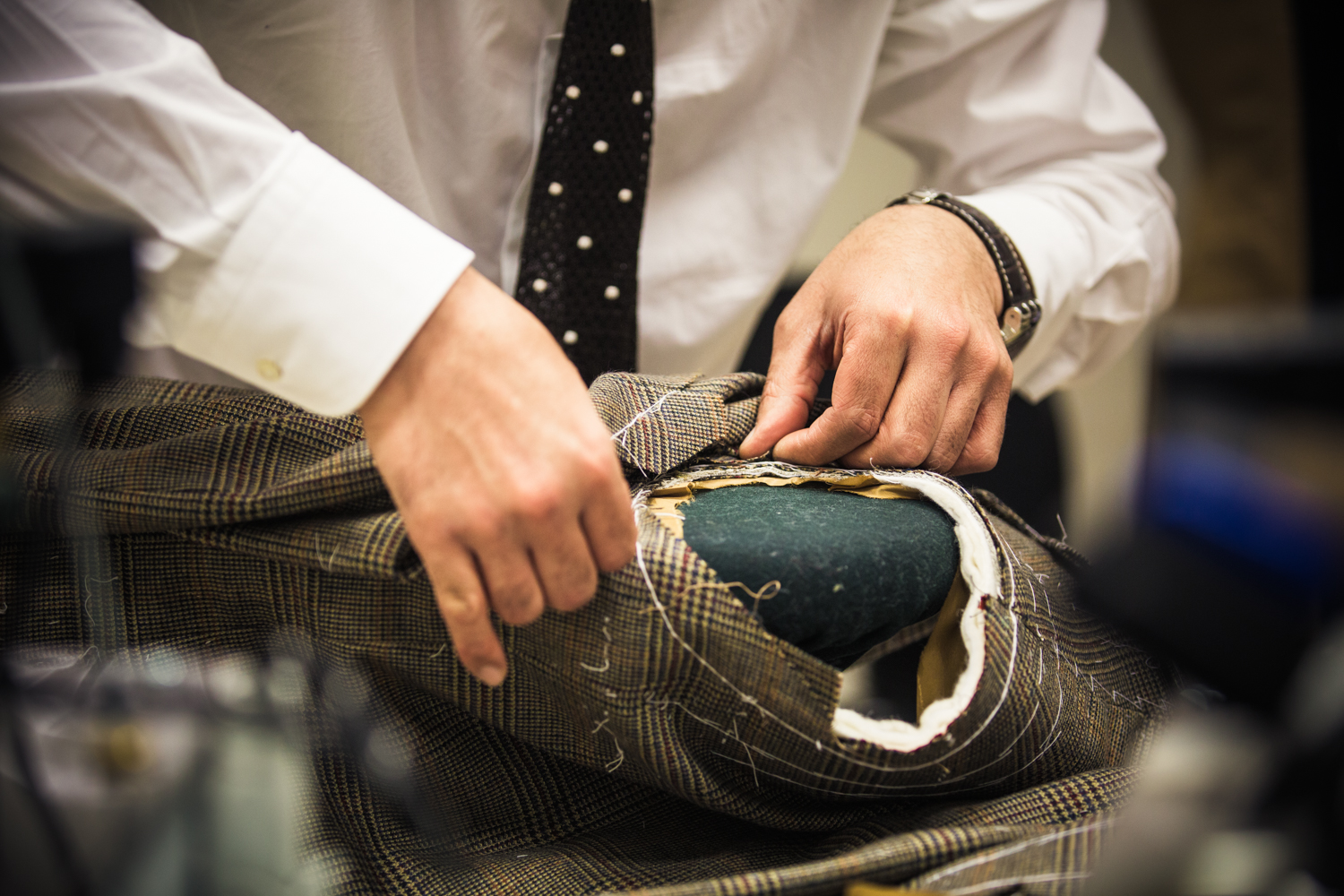
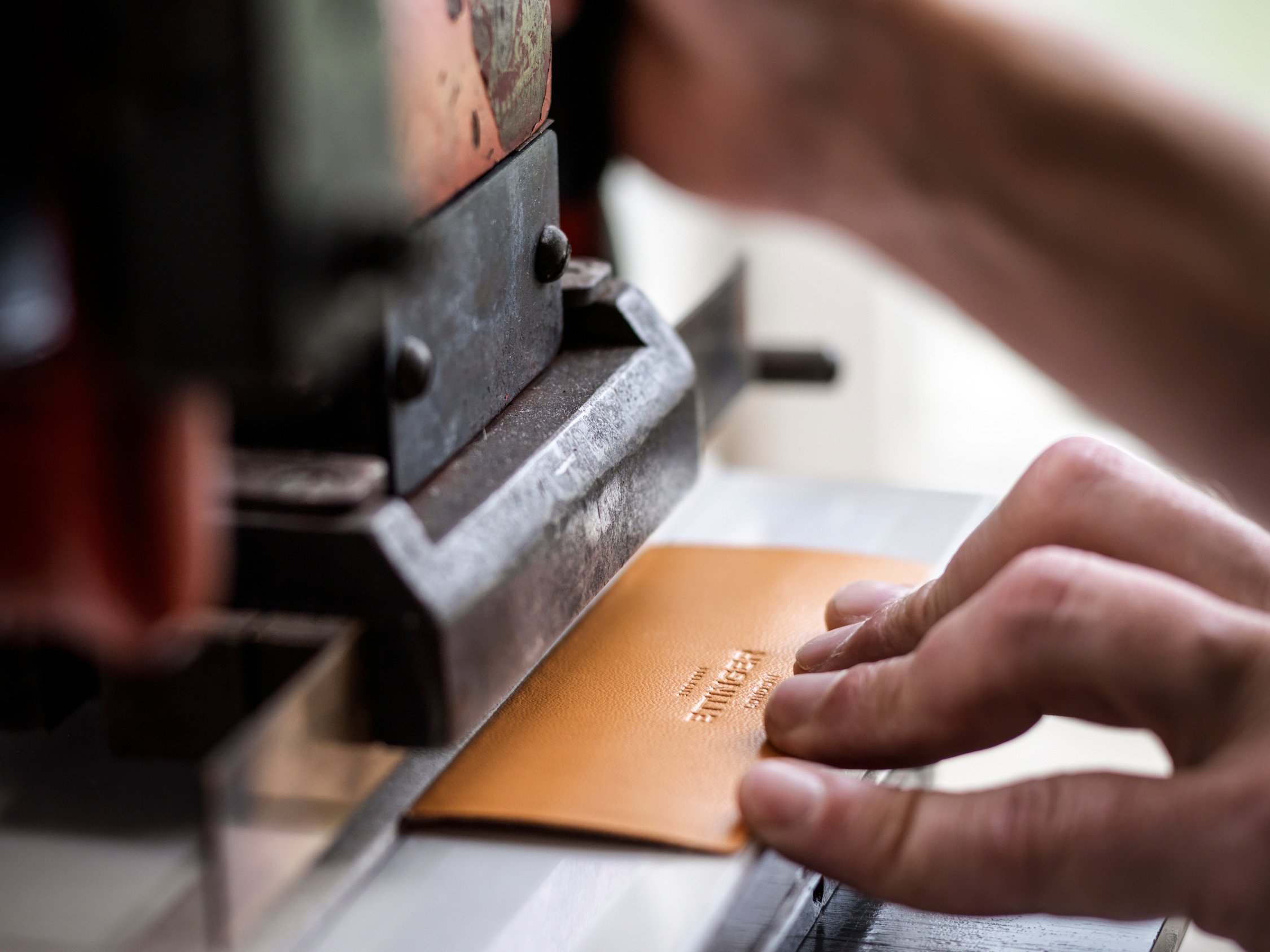
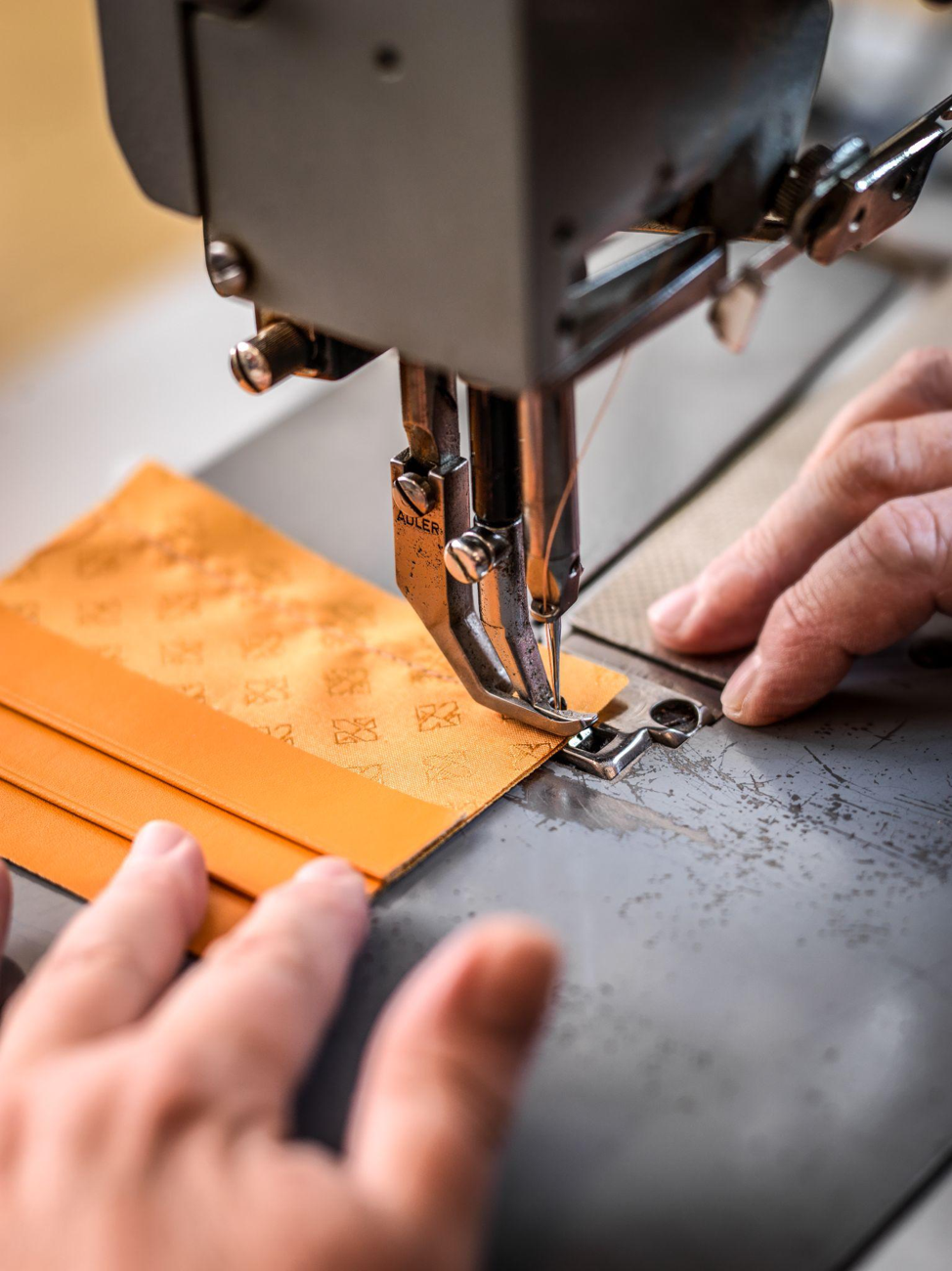
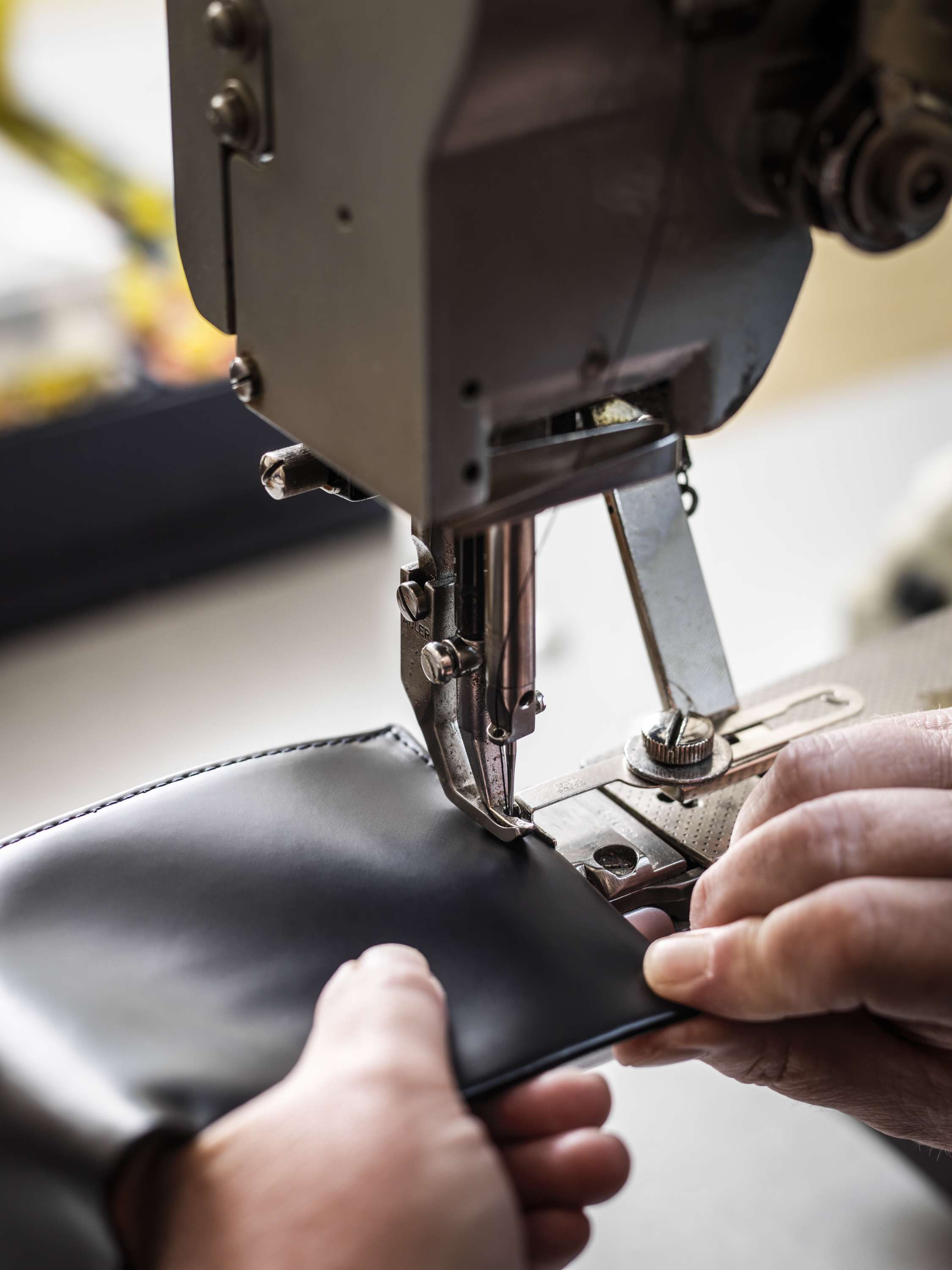
A dedication to a product enduring, in style, practicality, and quality, is at the heart of Ettinger — a dedication to craftsmanship and quality. “We always make for the same high level of quality in our production, that’s critical.” It is this dedication that is found in the people behind every Ettinger piece, who take up to 5 years to train. It is this dedication that is reflected in a mode of production that has remained unchanged, preserving the requirement that 85% of the manufacturing process be completed by hand. “We use a machine to cut the leather, and a sewing machine, and in between it’s all by hand.” It is this dedication to the craft that ultimately earned Ettinger the Royal Warrant. After reading about it in the paper, Robert’s curiosity led him to send an email enquiring about the process. As luck would have it, the response brought positive news: the Royal Family was indeed looking for a leather goods maker.
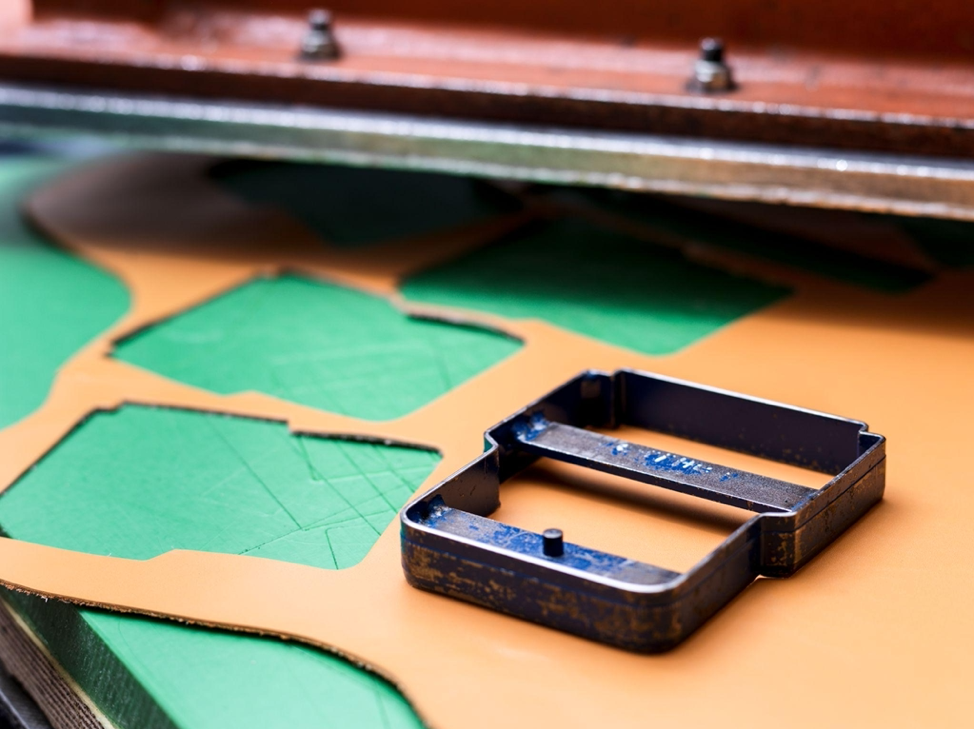
Robert surprisingly admits that there was a moment in which they considered a faster mode of production. “ We once tried to do some more fast fashion bags, and we got to actually produce our final sample, and then we had a meeting and we said, ‘This is dangerous.’ We didn’t want to go down that road. We are not changing our tack. And we’ve stayed where we are, and it’s working.”
Without meaning to, led simply by their values and a clear understanding of who they are, Ettinger characteristically seems to set trends rather than follow them. Maintaining their traditional modes of production, uncompromising level of quality, and intended longevity for each product has kept Ettinger inherently sustainable — perhaps even more so than some products marketed as such, which can still rely on petroleum-based materials.
Robert has noticed another echo of Ettinger’s long-held values in the mainstream: a growing interest in craftsmanship and the processes behind it. More and more interviewers visit the factory, eager to understand how Ettinger products are made and what makes them special. “Most of it is two or three hours of being shown how a product is made. They come away awestruck; they can’t quite believe the skills and time it takes to do one of our products.”
I ask him what luxury means for Ettinger. “Luxury is a product that is beautifully made from very good ingredients. Everything’s got to be the best. We’re not a craft shop, we make relatively big volumes, but we’re not making 10s of thousands of the same product. So it’s not too much around. It’s not really luxury when everybody’s got one. Luxury is something that’s a bit special.”
What truly makes Ettinger special is precisely this additional thought behind something that’s a bit special. Robert’s words carry the same restrained British temperament that is found in the celebration of the individual and self-expression that people find in Ettinger.
Colour is the one thing that has changed in the Bridle Hide Wallet design since its conception.
Its cheeky flash of colour, offset by the lack of pomp or flash anywhere else, is a dose of wit and joy that sets the brand apart — restrained, as is characteristically British — and creates the emotional attachment that many customers have to their Ettinger pieces. A tool of self-expression, it allows people – particularly men with less options, as Robert rightfully stated — to choose who they want to be. Quite a few of our customers have two or three of the same wallet, and they have different colours for different occasions. Maybe at work, they’re in banking or insurance, they're a little more subdued, but when they go out, they might have one with red or orange, a bit more flamboyant that says, ‘This is more me.’”
It’s the deceptively simple, wonderfully complex, thing that elevates practicality into art, textile into meaning, a wallet into a celebration of individuality. And it has been in the Ettinger DNA since the beginning, part of founder Gerry Ettinger’s vision. “My father was in the film business in Italy. He worked with Marlene Dietrich, he lived that life for a few years, and when he came to the UK in the 30s, he wanted to do something that was a little bit different to everyone else. And he succeeded, and we’re carrying on.” Infused with a dedication to craft, to people’s needs, and to the joy of art, they continue to create things a little bit differently indeed.