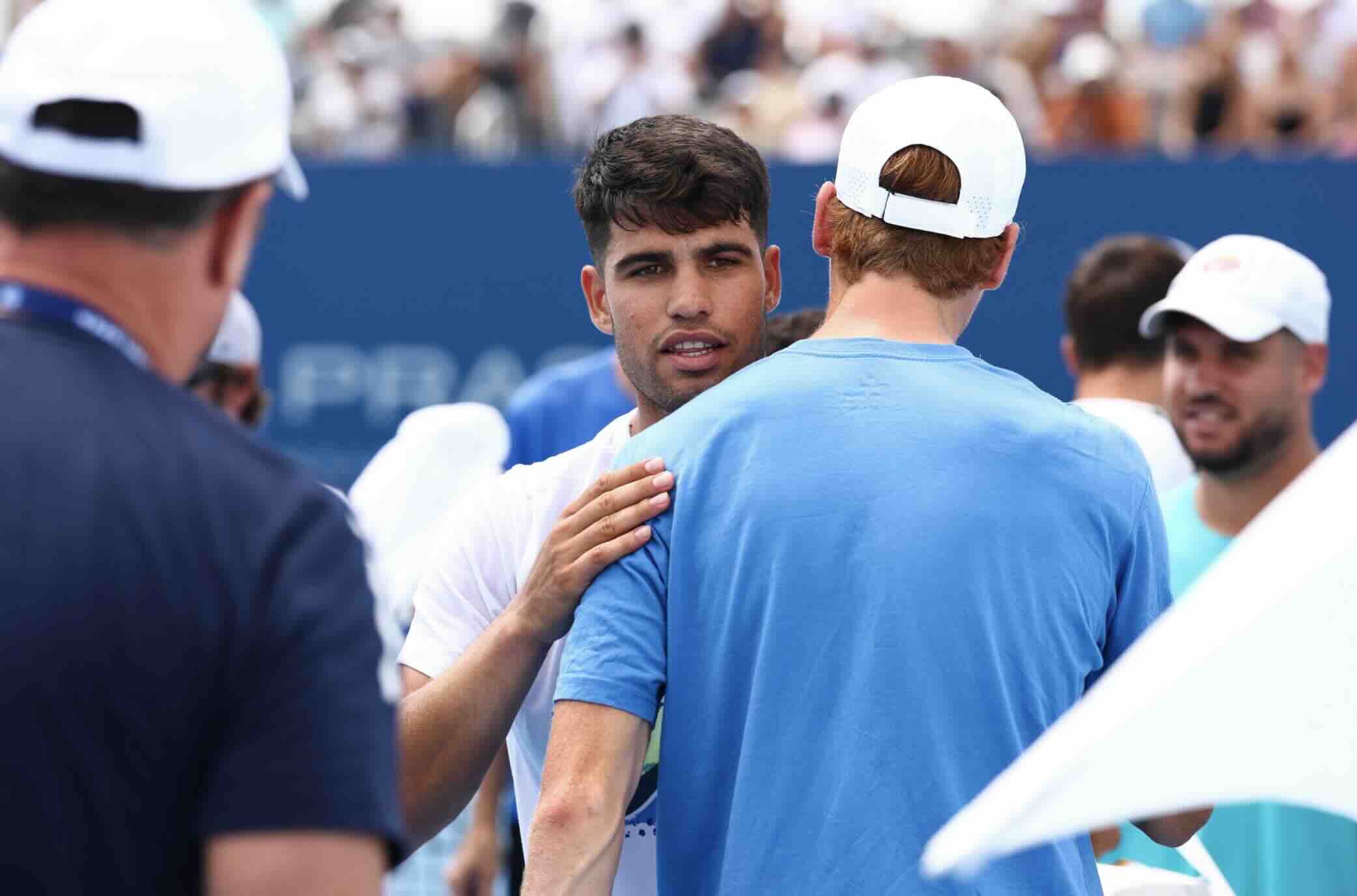
In Monte Carlo, the Monte Carlo Masters tennis event rarely takes centre stage alone. The main draw of the tournament may have opened on Sunday this April 2026, but the true narrative began to unfold today. Sinner and Alcaraz advanced in their pursuit of a final rendezvous on Sunday, set against the most prestigious stage in European tennis. Yet Monte Carlo offers more than competition. Beneath the surface lies a story of aristocratic origins, unanswered questions around the next king of clay and a curious overlap with Formula 1’s elite. Here, we delve into the tournament’s unique history — where tennis meets power, heritage and the sporting elite.
The popular imagination associates Monte Carlo with a uniquely luxurious hub, where prestige meets status and wealth meets refined taste. A perception reinforced by the wealthy elite who inhabit the tiny principality - the second-smallest country in the world, home to roughly 40,000 people, yet one of the densest concentrations of wealth per square metre. Yet few might know that the Monte Carlo Masters tournament was once considered ‘unworthy’ for one of the most gifted tennis players in history, Suzanne Lenglen, to compete in. Today, the event stands as one of the defining tournaments within the ATP Masters 1000 calendar.
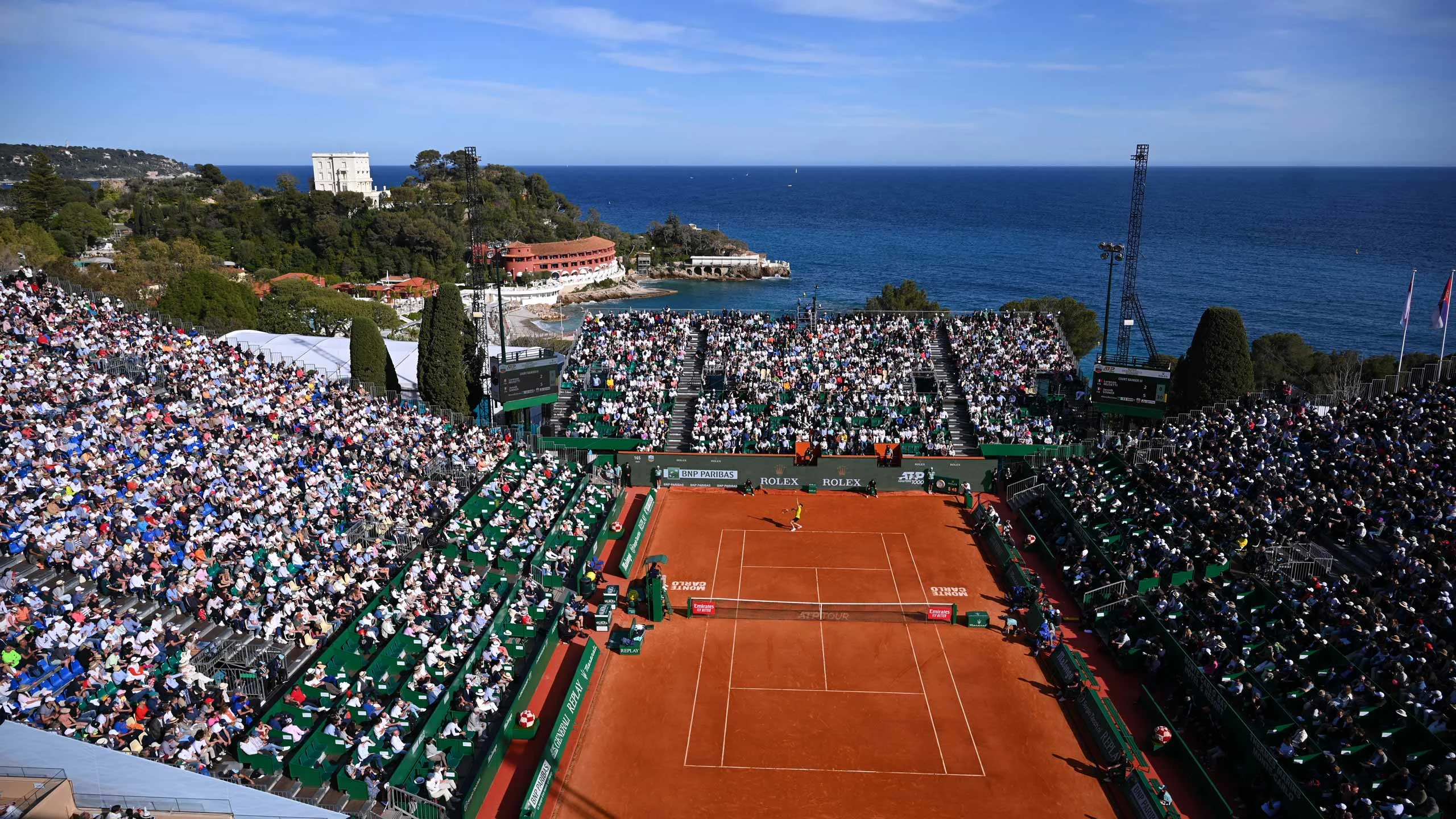
The Monte-Carlo Country Club, which this week hosts the sport’s elite, not always the polished jewel we see today. In fact, the club relocated three times. First built in 1893 on the cellars of the Hôtel de Paris, it moved in 1905 to allow for the hotel’s expansion, and again in 1921, when courts were laid atop a garage roof. It was this second relocation that unsettled Mme Lenglen. In response, in 1925, George Butler (a wealthy American benefactor) persuaded the Société des Bains de Mer - Monaco’s state-owned company managing its leading hotels and venues - to invest in a new, permanent site.
With the patronage of Prince Louis II and the backing of the SBM, the Monte Carlo Country Club entered a new era. Architect Charles Letrosne conceived an elegant Art Deco complex, featuring 20 courts, a restaurant, and facilities for up to 700 members. Inaugurated in 1928 in the presence of Europe’s royalty- from Sweden to Greece, and even Russia - the venue quickly established itself as one of the most refined settings in the sport. Today, it stands as tennis’ Riviera jewel.
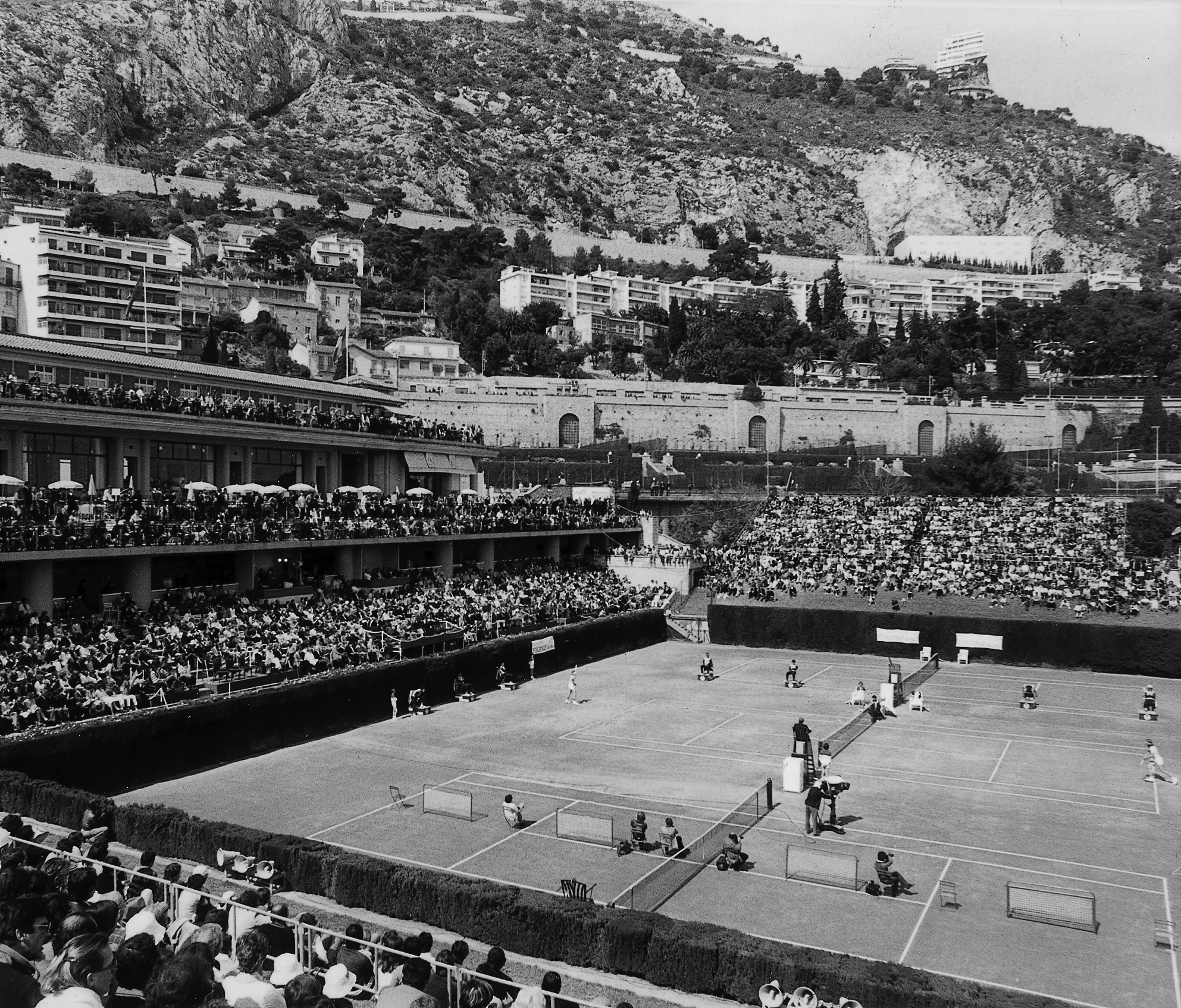
From courts once perched above a garage to one of the game’s most revered stages, Monte Carlo’s evolution mirrors that of Monaco itself: a careful construction of prestige, wealth and spectacle - always set against the Mediterranean, and backed by the royal family.
The first major stop of the ATP Masters clay season arrives in Monaco, before the tour moves on to Barcelona and Madrid, as players begin their progression towards Roland Garros. The European clay swing imposes its own rhythm - one that obliges the top names to adapt quickly and assert their credentials on the surface.
Clay has long been mastered by one man: Rafael Nadal, the undisputed King of Clay. With 14 Roland Garros titles and a win rate exceeding 90% on the surface, Nadal also claimed 11 Monte Carlo Masters titles within the ATP Masters 1000 circuit - the tournament’s record - including an extraordinary run of eight consecutive victories between 2005 and 2012. His closest successor within the new generation is Carlos Alcaraz, who opened his campaign in Monaco with a straight-sets win over Sebastián Báez.
Currently holding a clay-court success rate of around 80%, Alcaraz continues to build towards sustained dominance on the surface. Yet Monte Carlo has not been his most convincing stage: defeated by Sebastian Korda in 2022, absent in 2023 through injury, and forced to withdraw again in 2024, he arrived with limited momentum, having not secured a win here before 2025. That changed last season. In 2025, Alcaraz elevated his level to defeat Lorenzo Musetti and claim his first ATP Masters 1000 title in thirteen months. This year, expectations are clear: to translate promise into consistency. The coming weeks - Monte Carlo, Barcelona and Madrid - will serve as a decisive stretch in shaping his 2026 campaign, with Roland Garros looming ever closer.
While Spanish players have historically thrived on clay, Jannik Sinner enters this swing with greater uncertainty. Alcaraz arrives fresher, having exited early in both Indian Wells and Miami and spent time training in Murcia, adjusting to Mediterranean conditions. Sinner, by contrast, comes off consecutive finals and will carry fatigue into a surface he has openly admitted is not his preferred terrain - with only one of his titles coming on clay, in Umag. While his level should carry him through the early rounds, and momentum at the Masters 1000s level goes unmatched, physical demands could prove the biggest test to his level. Withdrawal, however, seems to be far from close, particularly for a player who has just set a modern benchmark: 30 consecutive sets won at Masters 1000 level.
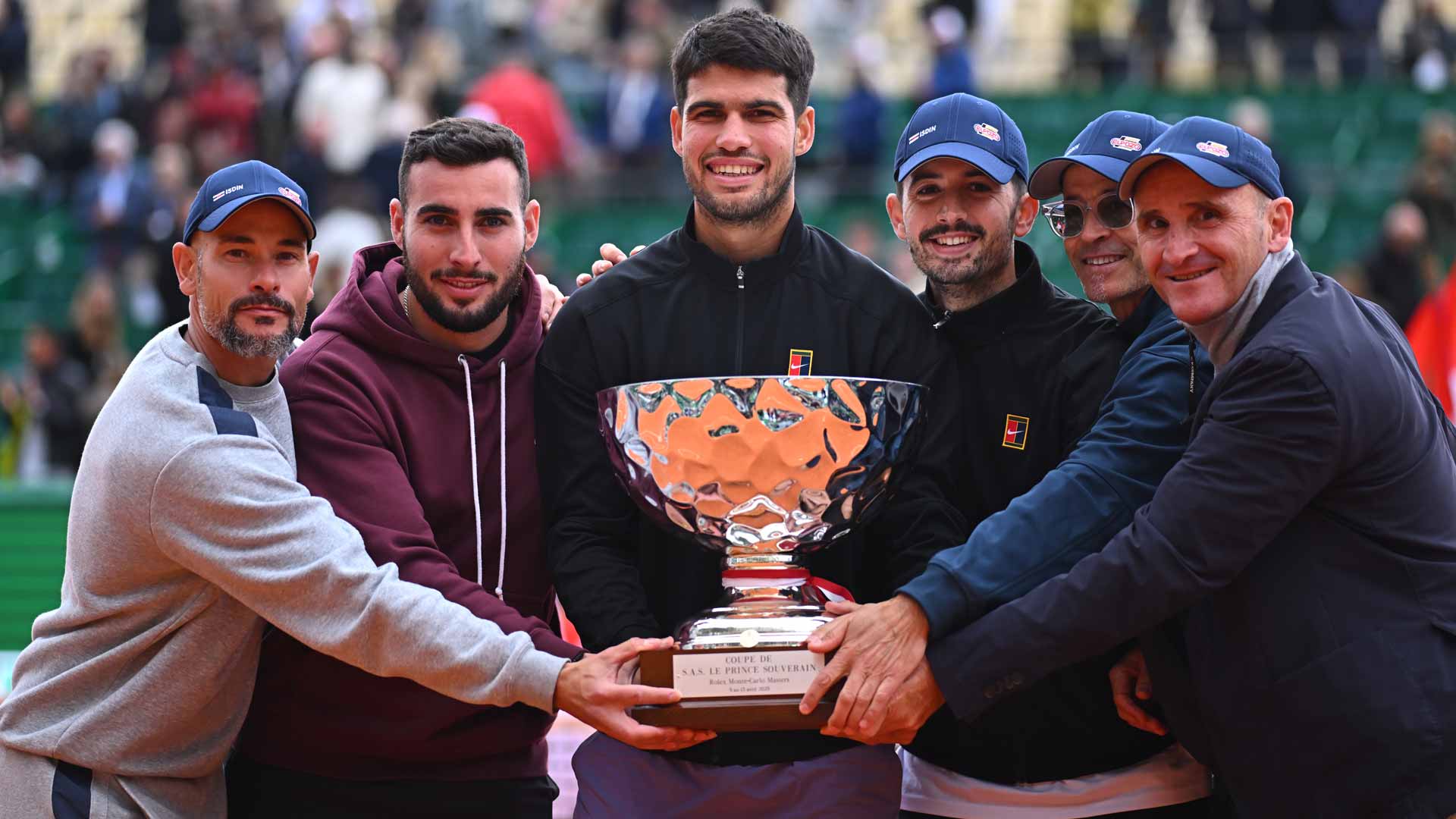
Monte Carlo offers more than prestige, recognition or fame. It presents a rare ecosystem - one where elite athletes and personalities converge in a single place, at a single moment - creating a strategic stage for brands and sponsors to come alive. Monaco has become the residence of many leading tennis players, including Jannik Sinner, Alexander Zverev, Daniil Medvedev and Novak Djokovic - though the latter will miss this year’s tournament. Yet its identity is just as closely tied to Formula 1. With favourable tax conditions, strategic geography and a social fabric attuned to sporting excellence, tennis and Formula 1 coexist seamlessly along the Riviera. Residents such as Lewis Hamilton, Max Verstappen, Charles Leclerc and Lando Norris form part of this rare concentration of global sporting capital.
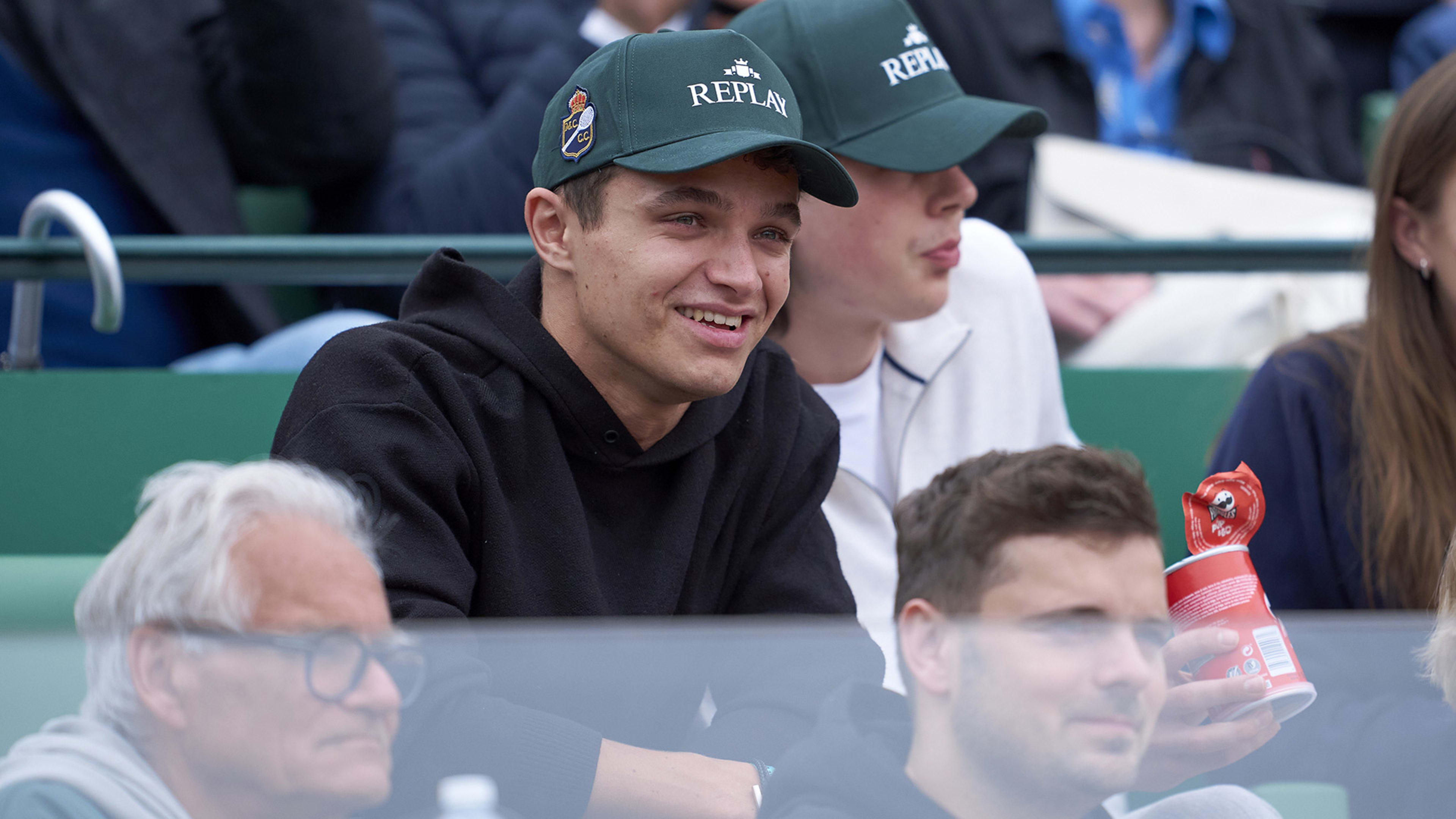
The opening days have already reflected this convergence: Formula 1 driver Gabriel Bortoleto was seen supporting compatriot João Fonseca, while Usain Bolt attended Sinner’s opening match and Martin Garrix appeared courtside for Carlos Alcaraz. Not a bad return for two days of tennis. Yet more is expected. With a rare pause in the Formula 1 calendar, Monaco once again becomes the natural gathering point for the world’s sporting elite - a place where athletes share in each other’s company at the very pinnacle of status, wealth and prestige. A rare ecosystem, found only in Monte Carlo.
The Monte-Carlo Masters 1000 runs until Sunday, 12 April as is Men’s only.