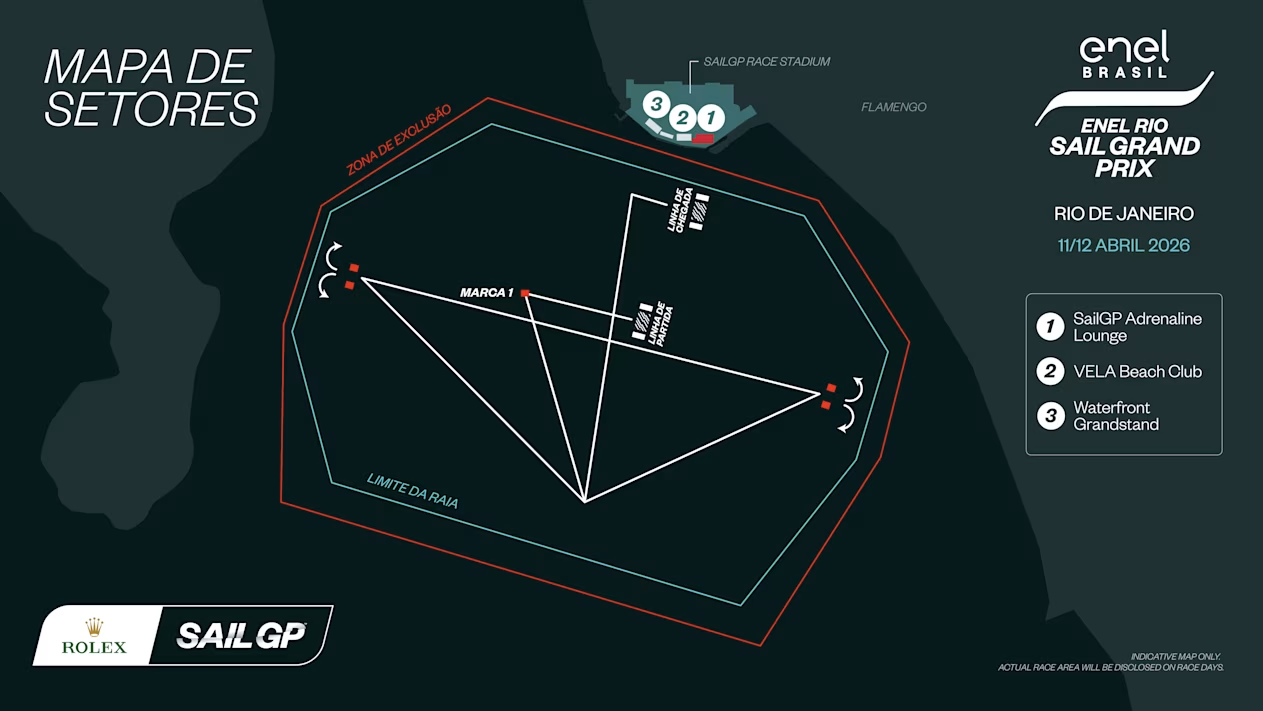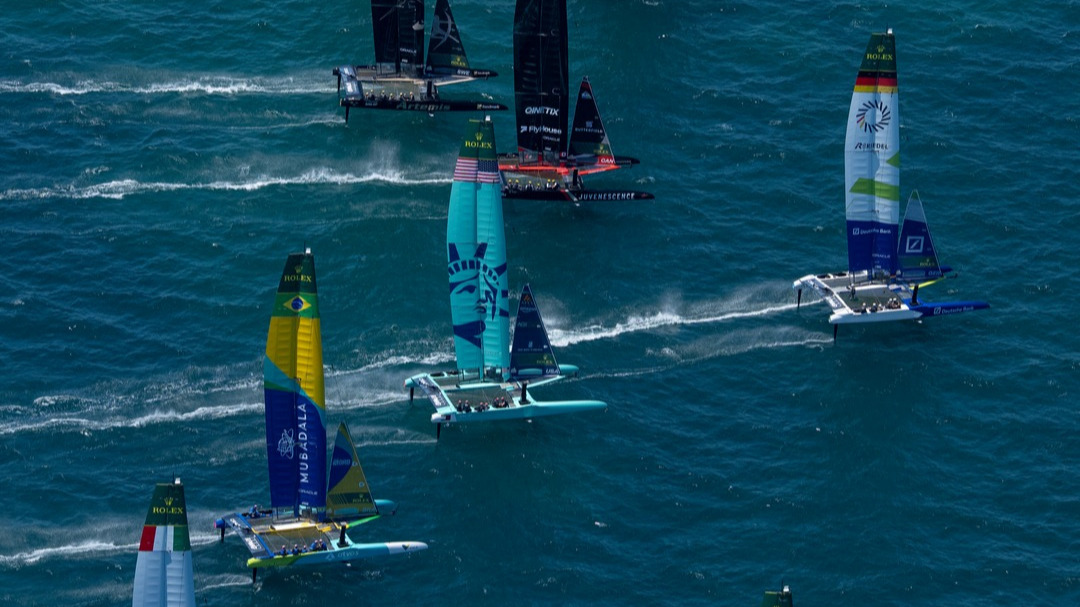
The Rio de Janeiro forecast is set for a tactical puzzle as South America prepares for its long-awaited SailGP Rio de Janeiro event debut. The Rolex SailGP Championship finally touches down on the continent with the ENEL Rio Sail Grand Prix, a premier event in the global sailing competition calendar, that promises to be as visually stunning as it is treacherous. Guanabara Bay, guarded by the iconic Sugarloaf Mountain, will be more than just a backdrop; it will be a central protagonist, testing the adaptability of the world’s finest sailors in this professional sailing league in an environment that meteorologist Chris Bedford has described as a genuine "evolving puzzle."
The complexity of this venue lies in its unique topography. The towering mountains surrounding the bay, such as Corcovado and the Serra dos Órgãos, act as physical barriers that disrupt and twist the airflow. This geographic setup creates patches of total calm followed by sudden accelerations, forcing crews into a constant hunt for pressure— a defining feature of Guanabara Bay sailing conditions. Furthermore, the shift towards a cooler season reduces the temperature difference between land and sea, weakening the traditional sea breeze and resulting in light, fickle winds. In a stadium-style racing format held close to the shore, these light-air conditions will favour technical specialists, where precision and reflexes take precedence over raw power in this elite sailing competition and high-level sailing performance environment.
One of the most compelling narratives this weekend is the return of DS Automobiles Team France following their devastating crash in Auckland. The French outfit returns to the start line thanks to an act of sporting solidarity rarely seen in elite sport: the New Zealand team, the Black Foils, has provided fundamental parts to help rebuild the French F50. However, the support extends beyond technical hardware. Due to injuries sustained in the collision, France will feature a "loan" crew of rival stars, including Kiwi strategist Liv Mackay and Australian legend Glenn Ashby, a 17-time world champion and Olympic medallist. Ashby, who was tending to his farm in Victoria when he received the emergency call, brings invaluable experience at a critical moment for the French squad.
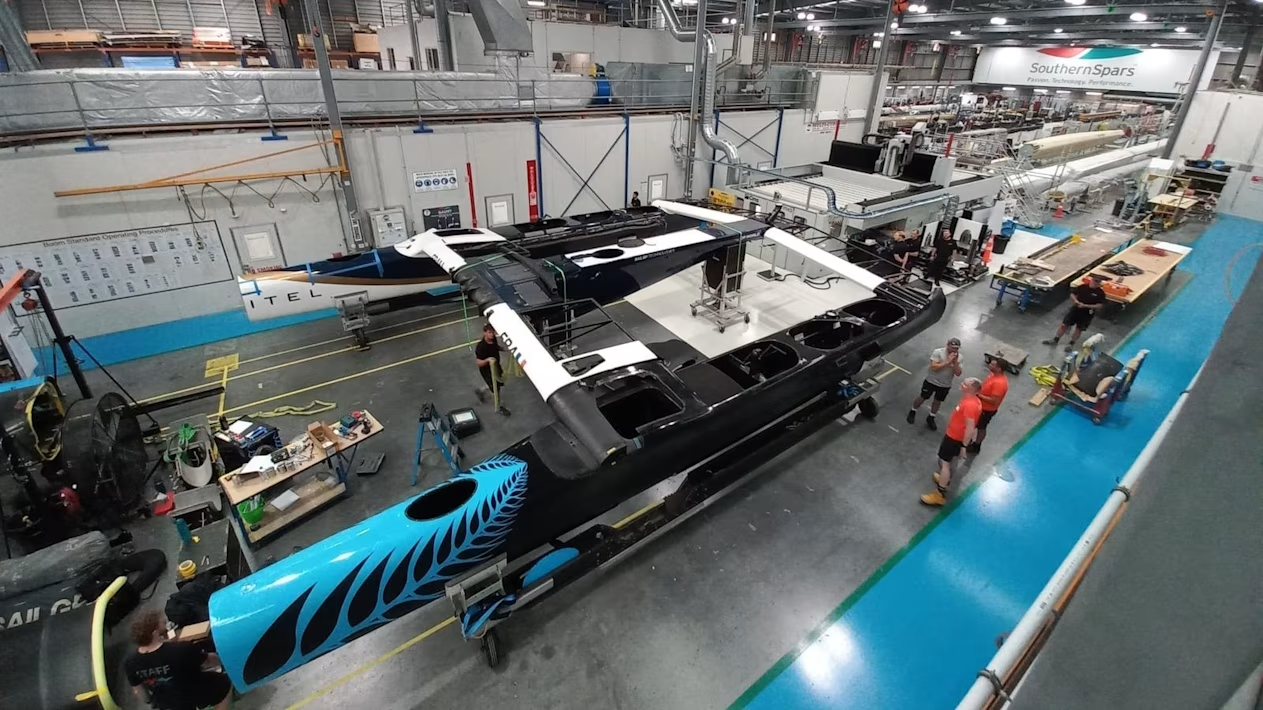
While France celebrates its comeback, the Black Foils are the notable absence this weekend. The damage to their boat, Amokura, was so severe that SailGP Technologies is currently building an entirely new unit from the ground up at its Southampton facility. This void in the fleet presents a golden opportunity for teams looking to climb the SailGP teams and standings leaderboard, especially as the championship begins to stretch out and every point earned in Rio becomes vital for securing a spot in the Grand Final.
Amidst this reshuffling, Los Gallos arrives in Brazil with a bolstered structure following the confirmation of their sale to the Quantum Pacific Group. The investment by Idan Ofer, a tycoon with a vast background in the maritime and sporting sectors, represents the largest financial backing in the history of a Spanish sailing team. Led by Olympic champions Diego Botín and Florian Trittel, the Spaniards currently sit fifth overall, just four points off the podium. Botín holds the advantage of being familiar with these waters, having competed here during his first Olympic Games in 2016 an experience that could be the key to transforming their consistency into a definitive victory in this Rio de Janeiro sailing event.
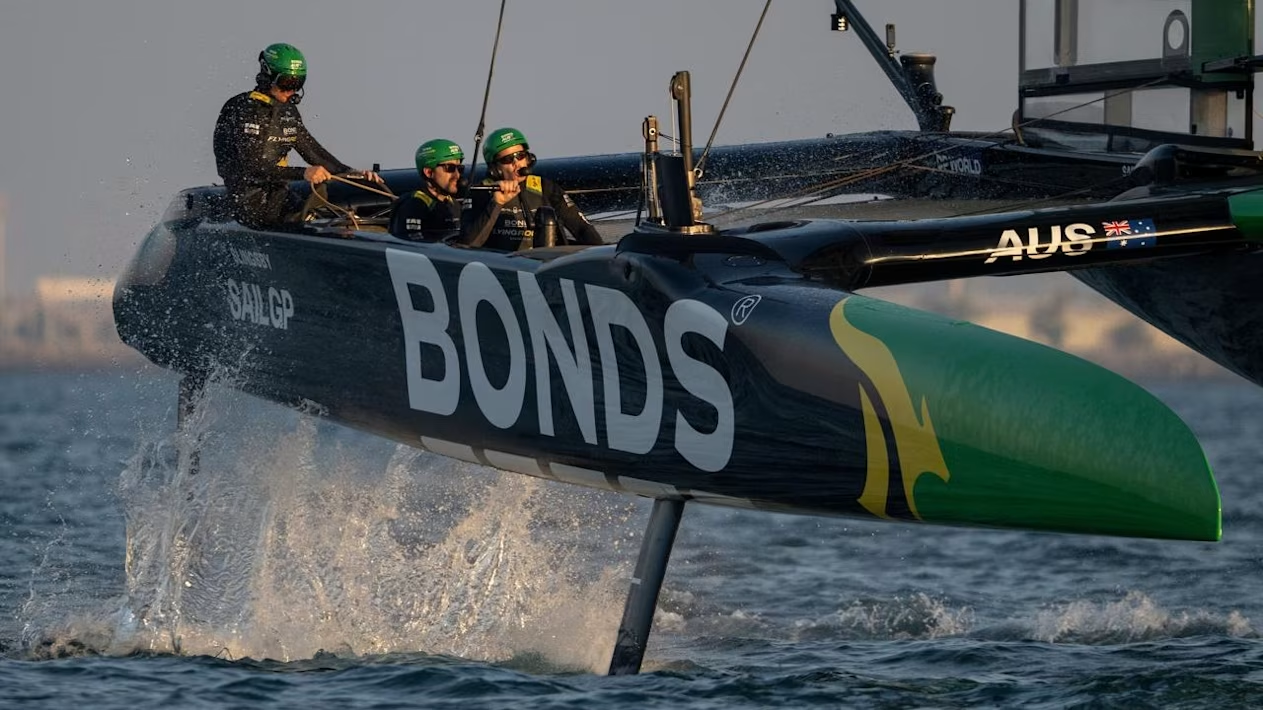
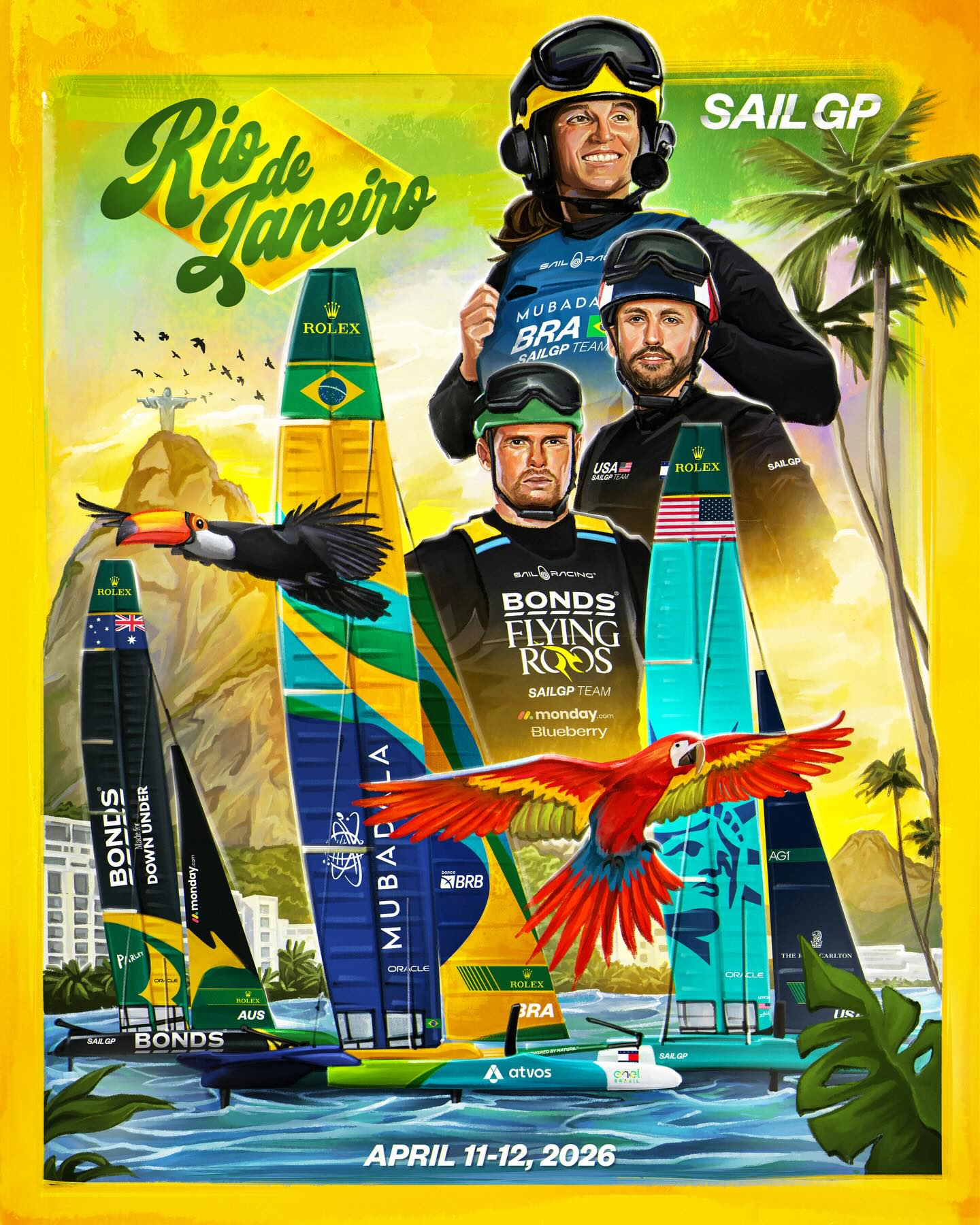
The overall standings are at boiling point, with Emirates GBR leading on 28 points, closely followed by Tom Slingsby’s BONDS Flying Roos on 25. However, in Rio, all eyes will be on local hero Martine Grael. At the helm of the Mubadala Brazil SailGP Team, the double Olympic gold medallist is competing in her own backyard. Her intimate knowledge of the currents and the capricious gusts of Guanabara is a factor her rivals rightly fear, reinforcing how SailGP race strategy is shaped by local conditions. Alongside her, names like Taylor Canfield, fresh from a win in Sydney with the US team, will look to exploit the instability of the racecourse to unseat the usual favourites.
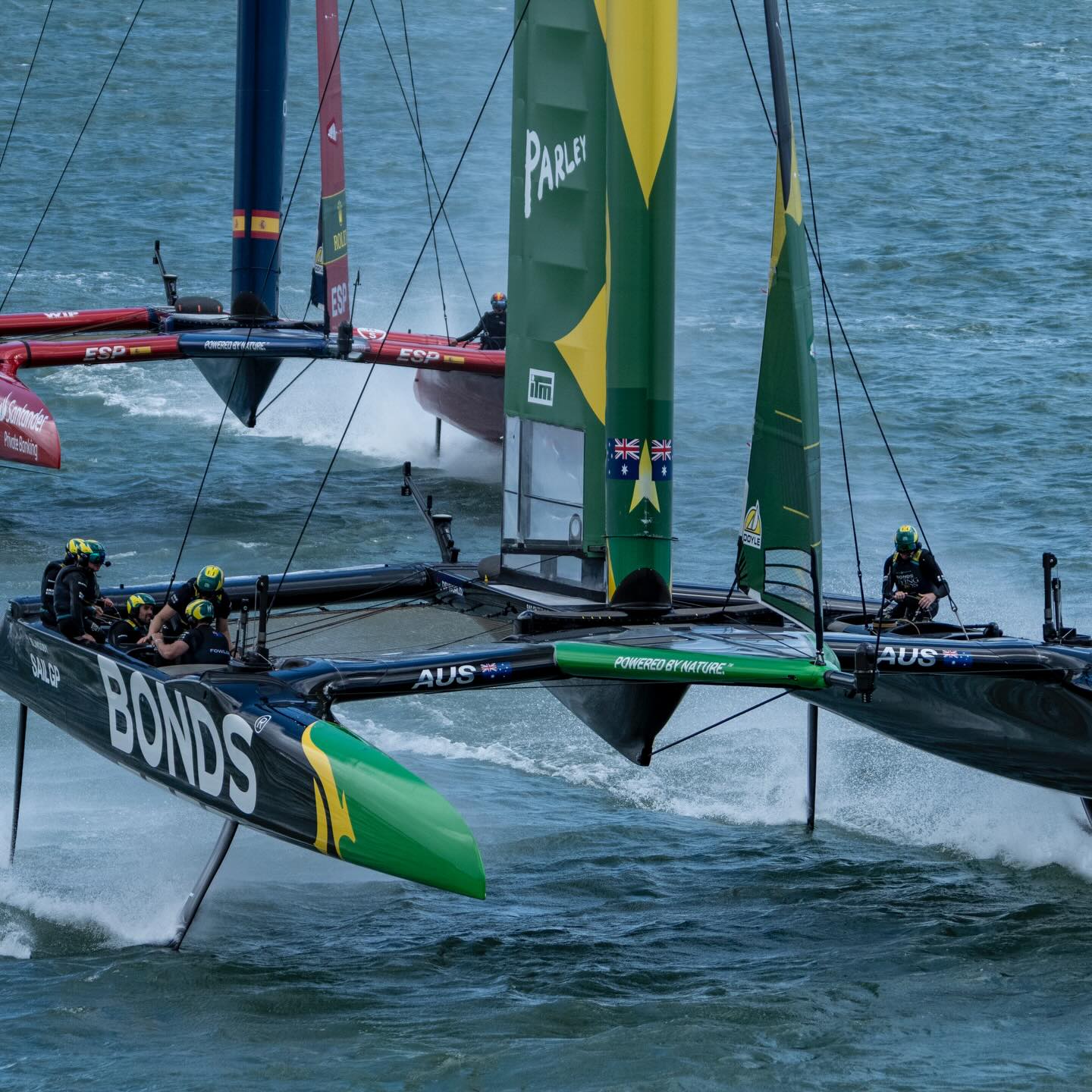
The competition, taking place in Rio de Janeiro on April 11-12, 2026, promises to be an exercise in patience and mental agility. With the tide playing a crucial role in manoeuvres near the marks and the breeze forced to snake around Sugarloaf Mountain to reach the course, the ENEL Rio Sail Grand Prix is shaping up to be a battle of attrition in professional sailing. For fans watching the action, it will be a masterclass in how to navigate a labyrinth of air and water where, at the end of the day, the trophy will go to whoever best deciphers the chaos of the world’s most famous bay.