With Carlos Alcaraz sidelined by a wrist injury and Jannik Sinner returning from a surprisingly early Roland Garros exit caused by heat stress, this year’s Wimbledon feels unusually open. On the women’s side, the recent inconsistency among the sport’s leading champions leaves room for redemption, disruption and a space open for grass-court specialists. Here, we unpack what Wimbledon brings afresh in 2026.
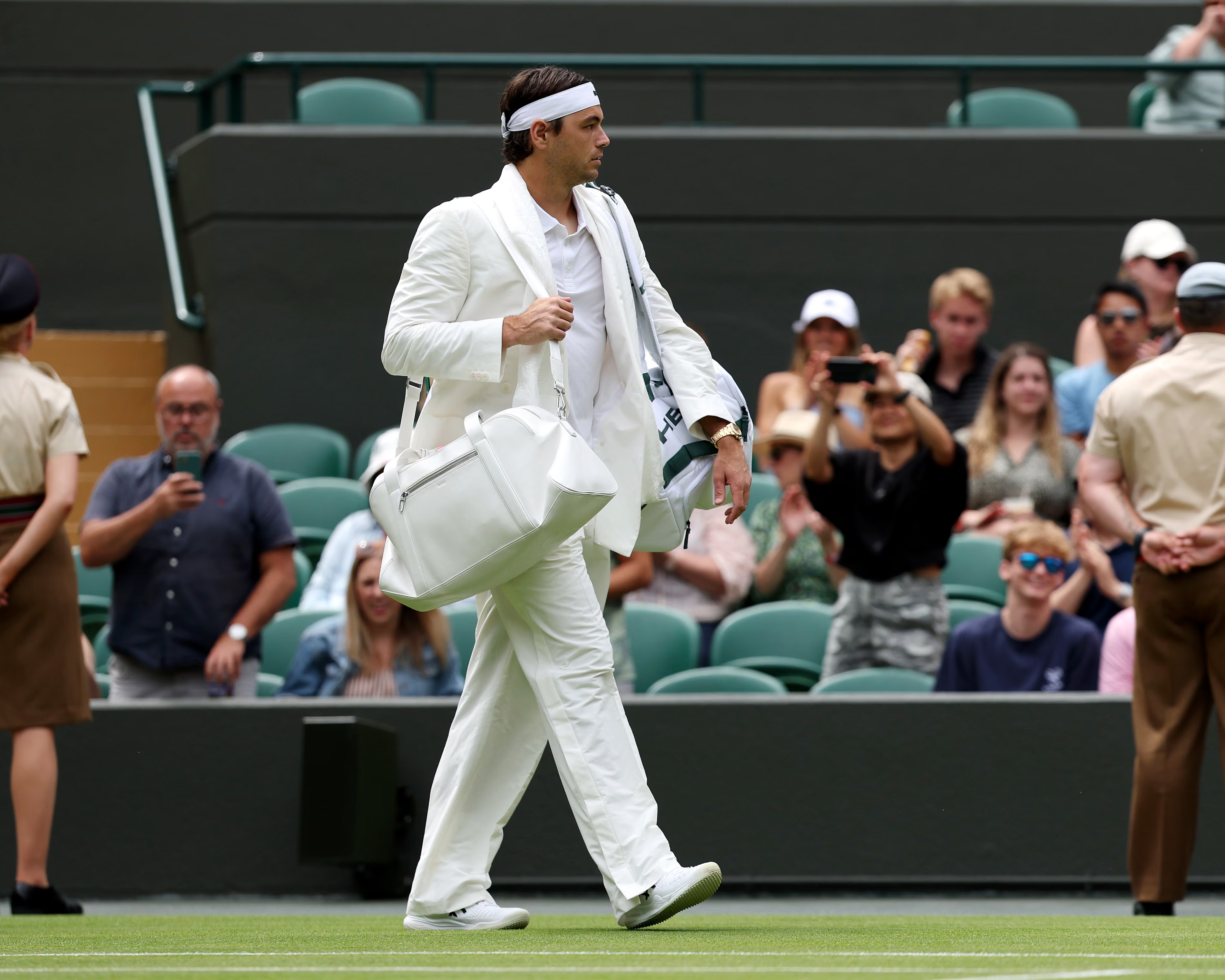
Andy Roddick argued on his Served podcast that “there could very likely be a US player in the final”, with Taylor Fritz the most obvious candidate. For the second-ranked American on tour, there may have been some relief when his opening match against Jack Draper was cancelled due to the Briton’s ongoing arm injury. Instead, lucky loser Dusan Lajovic stood across the net as Fritz made a commanding, Federer-like entrance on Centre Court. Dressed to make a statement, the American dismantled his opponent in a one-sided straight-sets opener.
Roddick’s case is far from fanciful. Fritz’s position in the draw means he cannot meet either Sinner or Djokovic before the final. There is, however, a touch of national bias to the prediction: Zverev or Bublik could all disrupt his path. Still, if Fritz improves the level that carried him through the grass season and back to the Wimbledon semi-finals last year, he could very well be on his way to a first Grand Slam final since the 2024 US Open.
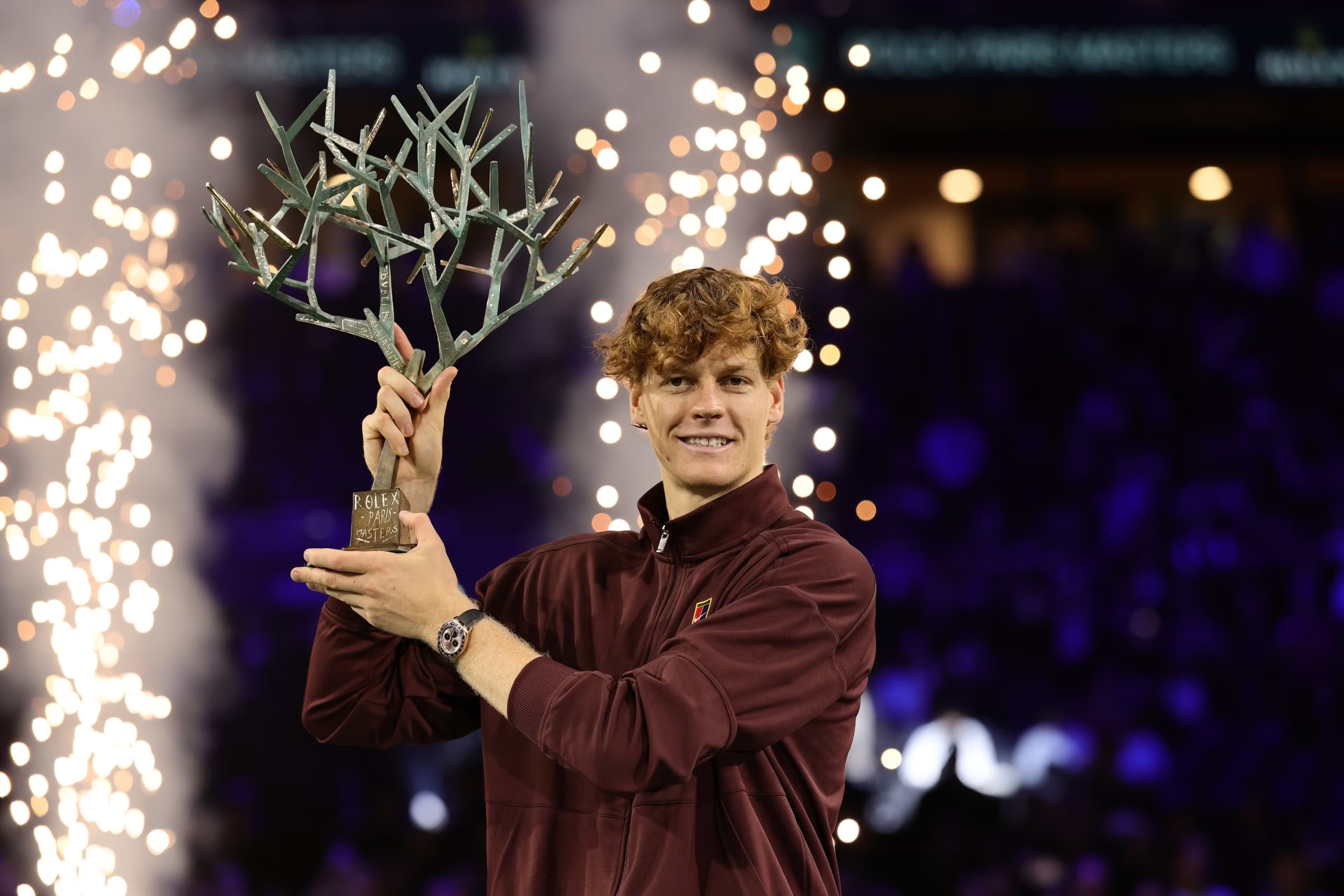
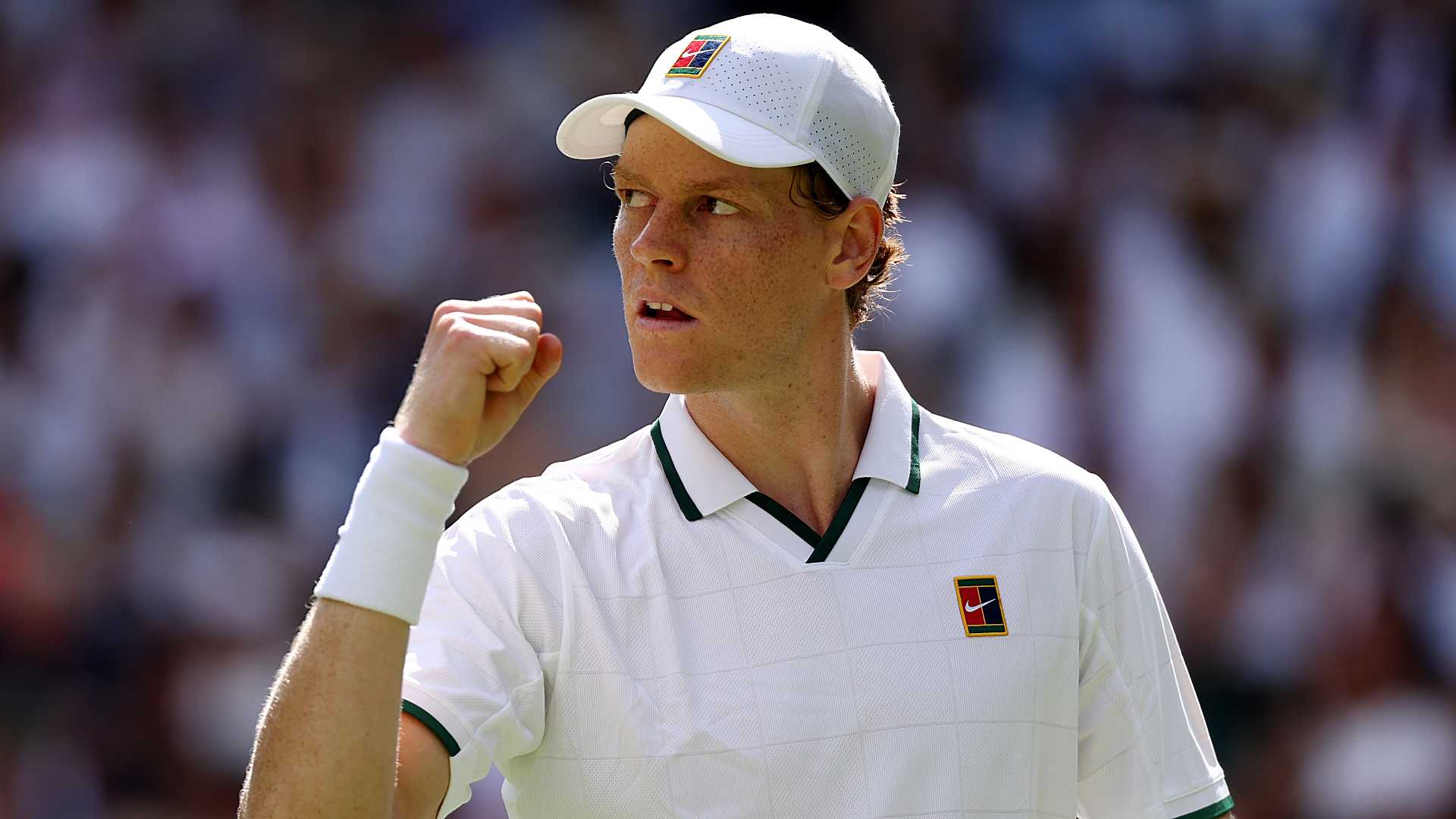
Five weeks after his heat-induced second-round exit at Roland Garros, Jannik Sinner returned to competition with questions still surrounding his fitness. His opening match against Miomir Kecmanović unfolded awkwardly: he lost the first set, recovered in the second, then fell behind again in the third. At two sets to one down, Sinner looked far removed from the player who had won six consecutive ATP Masters 1000 titles.
An hour later, however, the world No.1 had turned the match around, sealing a five-set victory despite a nasty slip that might have ended his tournament. He left Centre Court with blood visible through his shoe. “I’m actually very surprised they let me keep playing because, with all white, it turned a little red,” he joked afterwards.
Despite the pain and uncharacteristic struggle, Sinner remains in pursuit of a fifth Grand Slam title and a successful defence. At the time of writing, he faces Nuno Borges, with a potential semi-final against Novak Djokovic looming. Recovering the level he showed before Roland Garros may take time, but Wimbledon has already reminded us how quickly Sinner can find a way through.
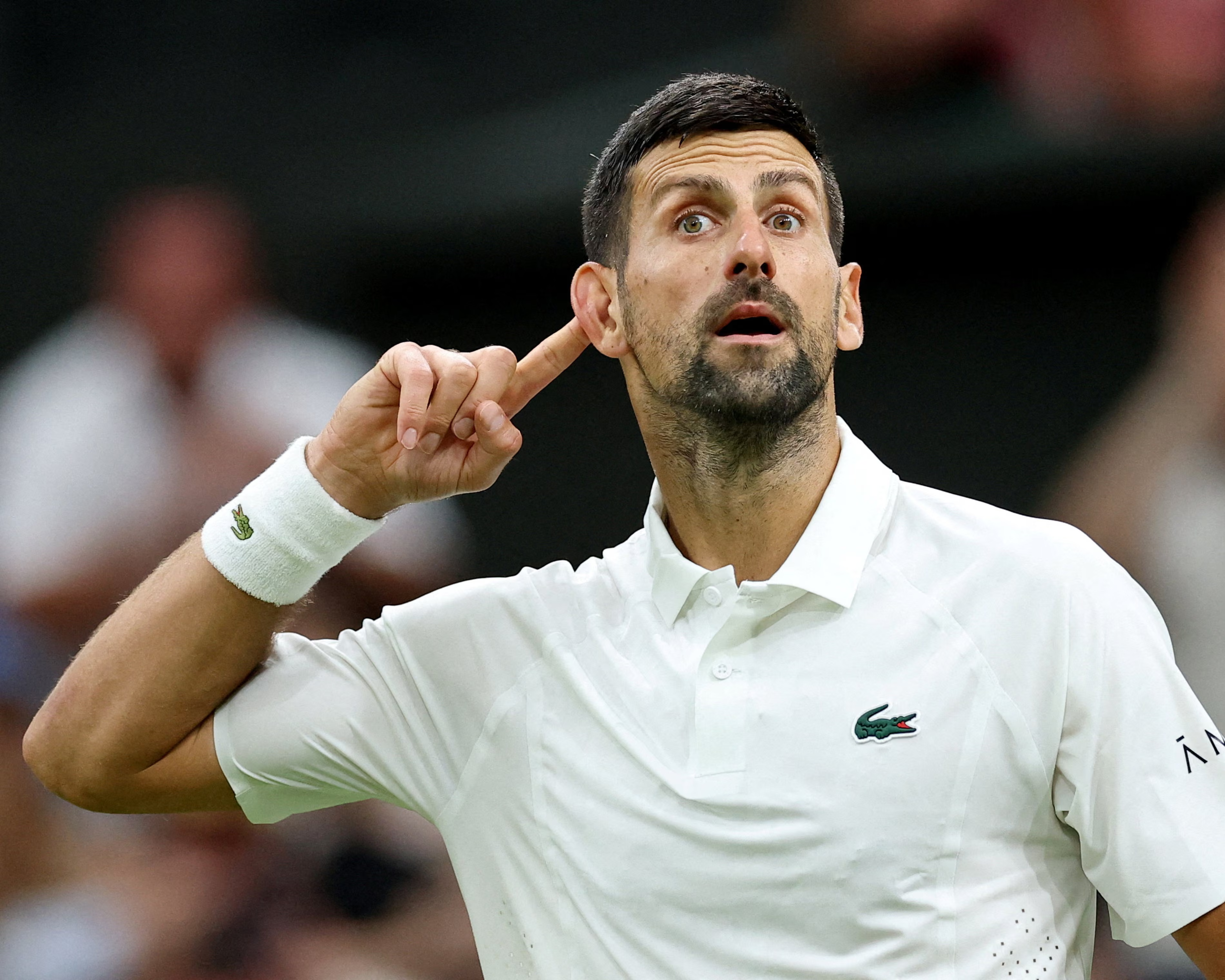
For Nole, Wimbledon began on the right foot. He dispatched China’s Wu Yibing in four sets and faces Stefanos Tsitsipas this afternoon. At 39, this may represent his final realistic chance to reach another Wimbledon semi-final, perhaps even one more final. João Fonseca’s power and intensity ended his Roland Garros run, but Djokovic understands grass better than almost anyone.
In recent years, he has fallen only to Sinner in 2025, withdrawn before the 2024 quarter-final and lost the 2023 final to Alcaraz. The question is whether the last standing member of the Big Three can still absorb the new generation’s pace across five sets. Should he progress today, Rinderknech, Rublev and Tien could stand between him and another deep run.
Wimbledon’s women’s draw is rarely predictable from the opening week. In 2025, Iga Swiatek lifted the title against Amanda Anisimova, while the previous two editions belonged to Czech champions Barbora Krejcíková and Markéta Vondrousová. Neither Coco Gauff or Aryna Sabalenka were nowhere near the finals.
Grass has a way of elevating specialists while unsettling the tour’s leading names. Even Serena Williams’ long-awaited return ended abruptly. Four years after her last appearance, the 44-year-old lost to Maya Joint in three sets and waved goodbye to Wimbledon’s singles competition.
Donna Vekić could prove difficult on grass, particularly for the tour’s leading names. Fresh from her Queen’s title, the Croatian could meet Elina Svitolina in the third round, offering a sharp test for a player enjoying one of the strongest seasons of her career after winning Rome.
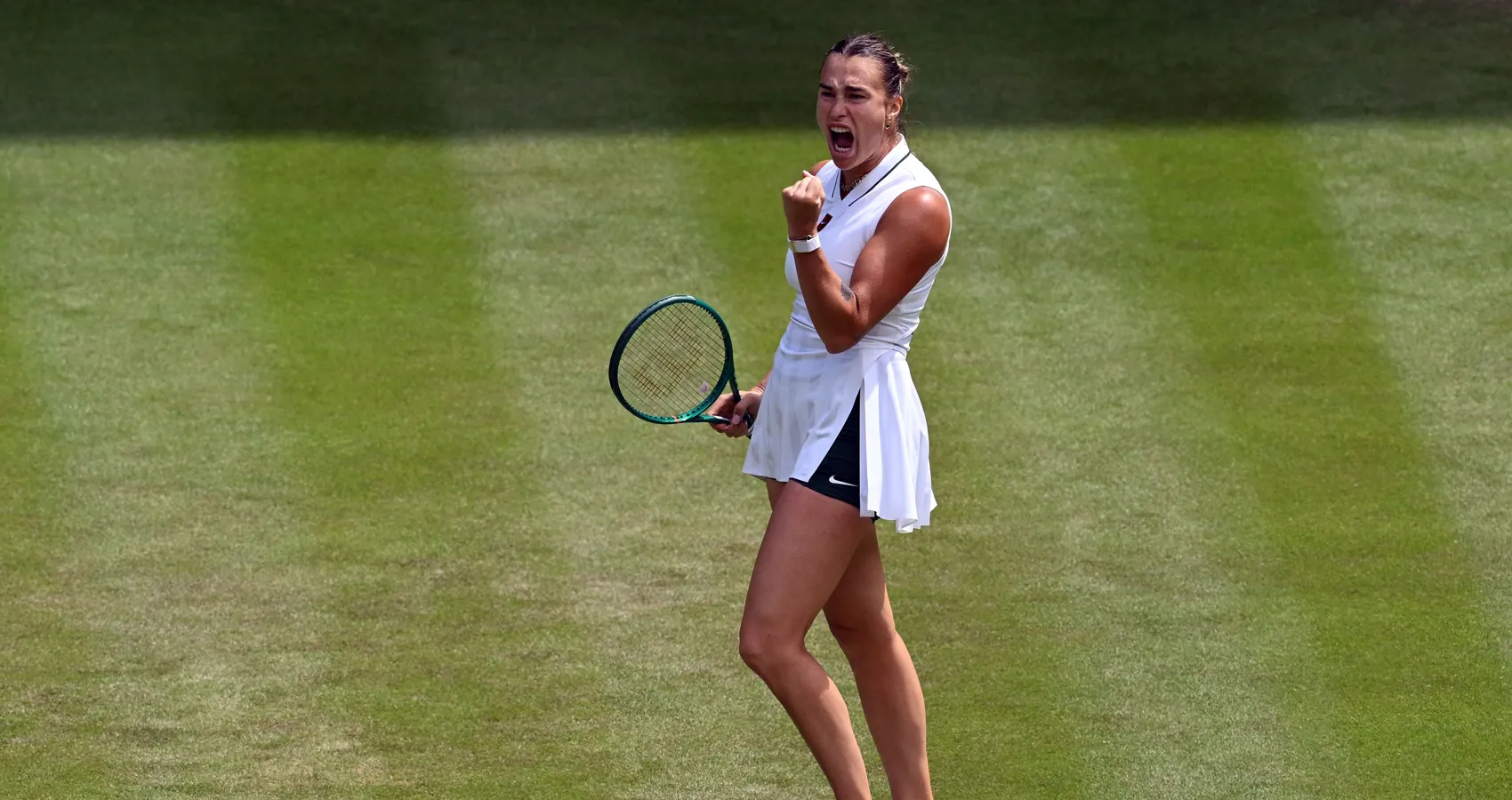
Aryna Sabalenka’s path could lead to Naomi Osaka in the fourth round, but first comes Jelena Ostapenko on Friday. A potential quarter-final against Mirra Andreeva and semi-final against Jessica Pegula would test whether Sabalenka has learned to manage the tension that has often accompanied her biggest matches. She has never reached a Wimbledon final, but has long viewed the title as unfinished business. In 2026, the opportunity feels genuine yet unsure.
On the opposite side of the draw stands a former champion: Elena Rybakina. Since winning the Australian Open, her form across clay and hard courts has been uneven. On grass, however, she remains one of the tour’s most dangerous players with a formidable serve and unflinching composure that could carry her towards a second major title of the season.
Still, Wimbledon rarely follows a script. The 2026 season has already unsettled the sport’s established order, and the grass may yet produce another surprise. Settle in and let tennis’ grandest stage shape the coming afternoons and weekends. At Living Sports, we will bring you the stories that matter.