When the tour turns to clay, the rhythm of the season to date changes. A week on from Monte Carlo, tennis moves to Madrid – arguably the most demanding clay stage before Roland Garros. Early storylines are already taking shape: Alcaraz falters at home, Sinner holds his momentum, Sabalenka builds towards making history and Rybakina tests her authority on the surface. Tennis moves quickly - one moment gone, another city, another stage. This time, Living Sports is on the ground for the Mutua Madrid Open, held at the Manolo Santana Stadium. Here is our take on the days ahead of these matches- and the unique story behind Madrid’s spell on the game.
The headline this year captures Madrid’s direction. In 2026, the tournament will extend its practice courts to the home of Real Madrid C.F., the Santiago Bernabéu, an impressive venue. “We’re getting lots of requests. Players are very enthusiastic,” co-director Garbiñe Muguruza told COPE. The image is striking - players walking through an 81,000-seat stadium - yet it also reveals a quieter truth. Madrid remains a tight tournament for space, where access to practice courts can be limited. It is a compelling contradiction: vast ambition within physical constraint.
That ambition has defined the event from the outset. The Madrid Open is rooted in the vision of Manolo Santana and Ion Tiriac, who established it in 2002 as an indoor hard-court tournament. In 2009, it evolved into its current form: a clay-court Masters with a combined men’s and women’s draw, relocated to the Caja Mágica, Dominique Perrault’s modern complex south of the city, built around three retractable-roof courts.

Growth followed steadily. In 2020, Madrid expanded into a two-week event, increasing its draw from 56 to 96 players and strengthening its position on the calendar. Scale attracted foreign capital. In 2021, IMG – the global sports agency - acquired the tournament in a deal reported near €400 million, shifting its trajectory from national showcase to global property, positioned to compete against events such as Indian Wells or ven Grand Slams with a clear commercial ambition.
But that evolution has brought tension. At least in Spain. The Madrid Open is no longer purely shaped by Spain’s tennis ecosystem. Recent debate centred on wildcard allocations, traditionally used to support local players, as this year, none of the five qualifying wildcards were Spanish. Tournament director Feliciano López acknowledged that decisions sit with IMG, reflecting broader strategic interests. Madrid, it seems, has outgrown its domestic boundaries - and that is precisely its place in the modern game. As the clay season gathers pace, Madrid stands between identities - one rooted in Spain’s clay court dominance, the other increasingly defined by global scale and ambition.
Madrid sits in an awkward slot on the calendar - wedged between the American hard-court swing, Monte Carlo and Rome - and has long paid the price. Altitude, at over 600 metres, alters the clay dynamic, while conditions differ sharply from Roland Garros. The result is familiar: withdrawals, recalibration and a field that rarely arrives intact.
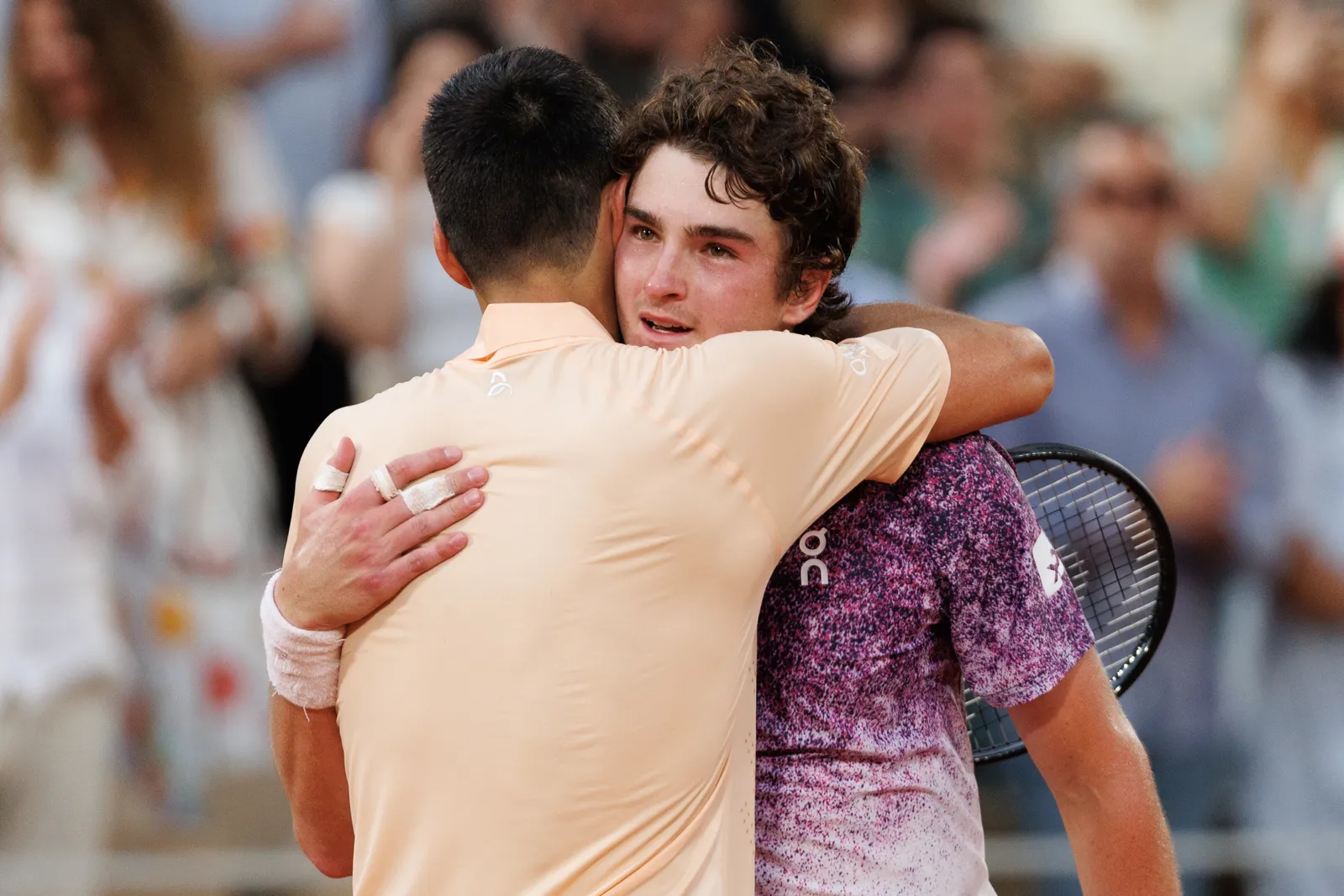
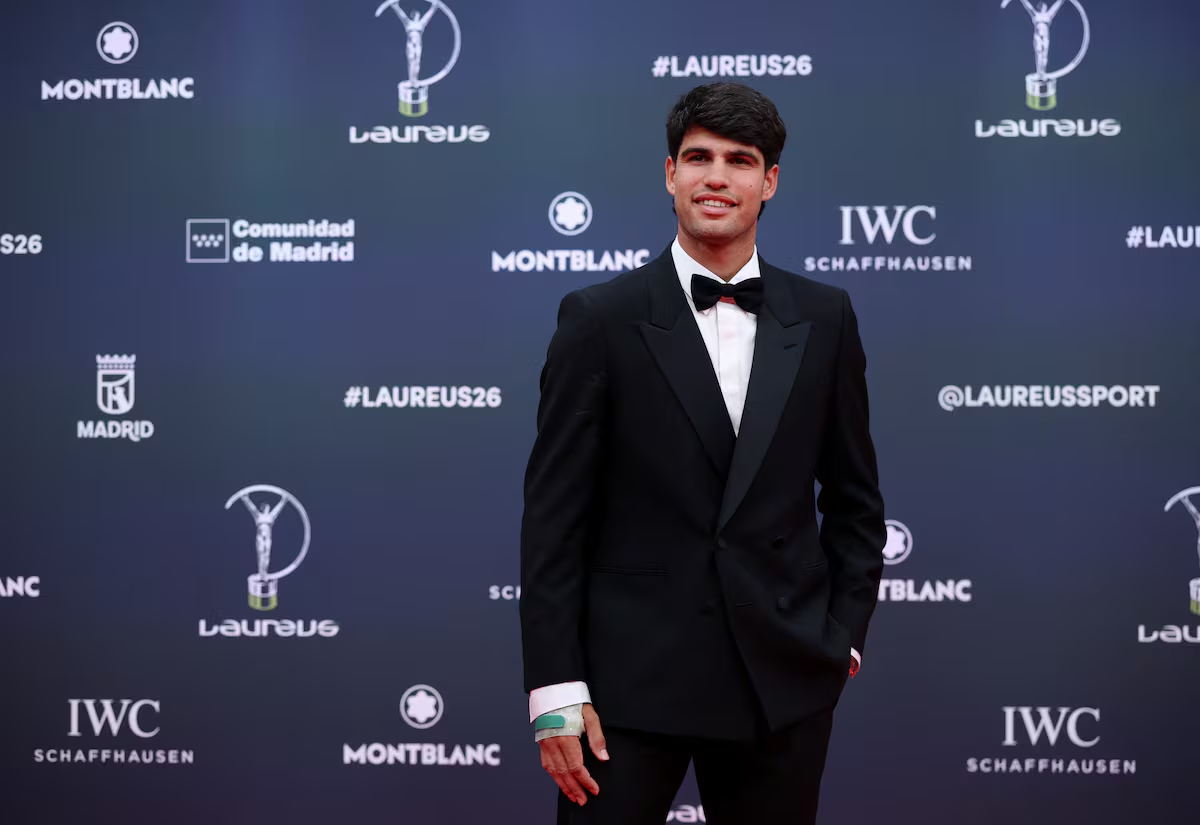
This year is no exception. Carlos Alcaraz is absent for a second consecutive edition, having withdrawn from Barcelona with a wrist injury and later seen at the Laureus Awards wearing a splint. Spain’s attention shifts instead to Rafael Jódar, the 19-year-old who backed up his Barcelona semi-final with a composed comeback win over De Jong yesterday (2-6, 7-5, 6-4), confirming his emergence as the next domestic prospect to watch.
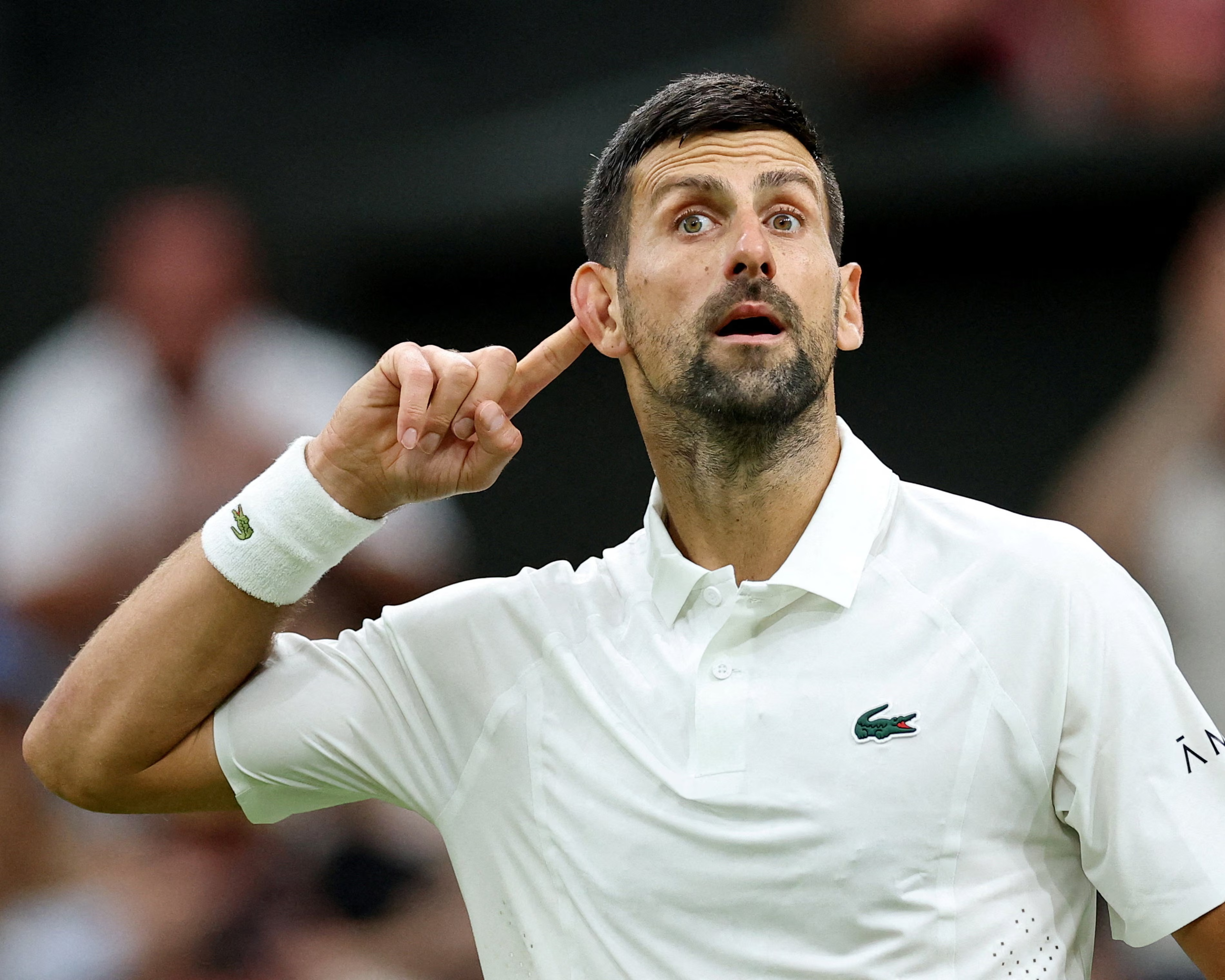
Novak Djokovic, meanwhile, will miss Madrid for the third time in four years. At 39, his schedule is increasingly selective, with priority given to Grand Slams rather than the full Masters circuit. He is not alone. Taylor Fritz, Jack Draper, Frances Tiafoe and Sebastian Korda have also withdrawn, reinforcing a broader pattern: Madrid’s demands continue to test the limits of the modern Men’s calendar.
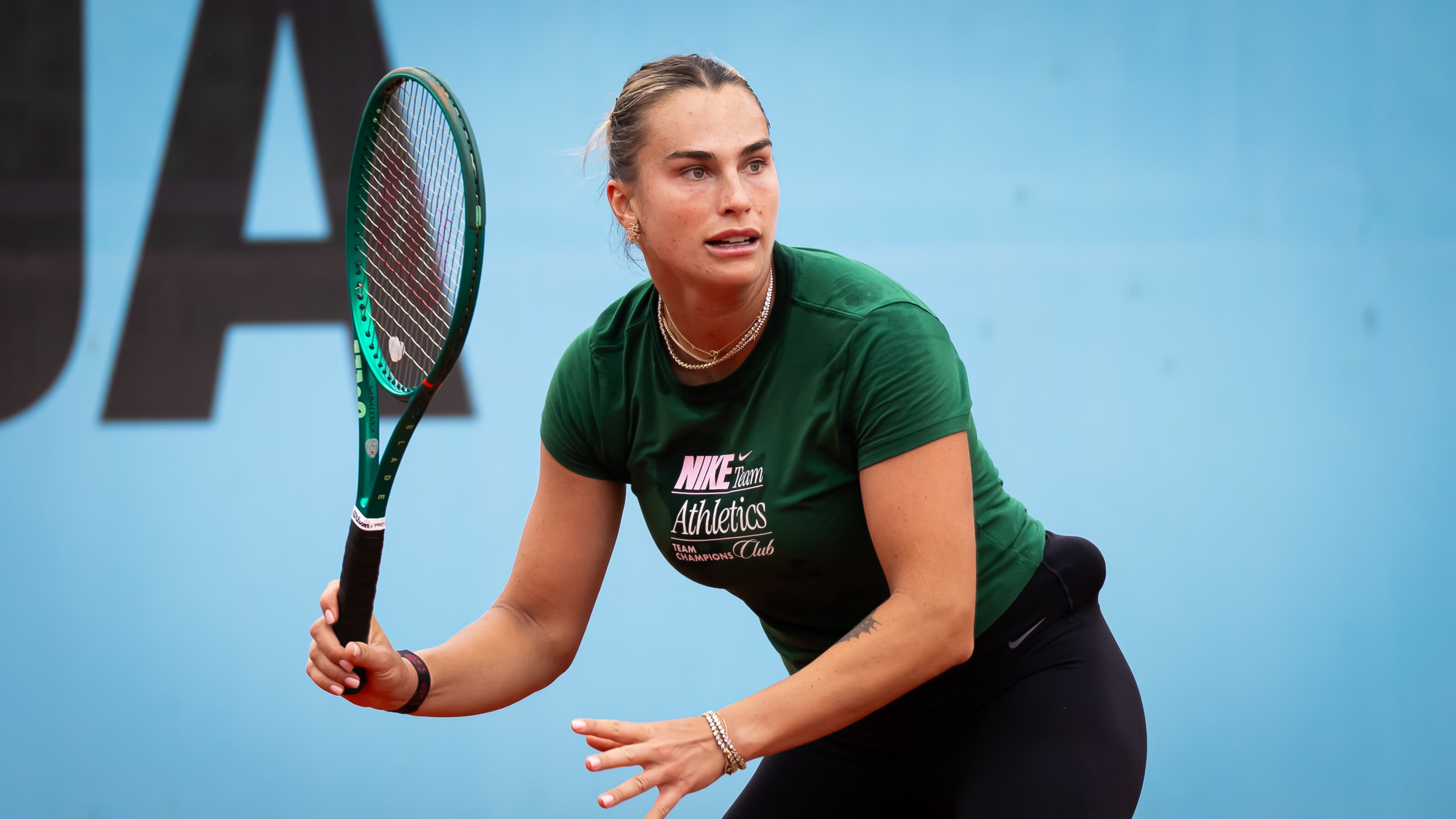
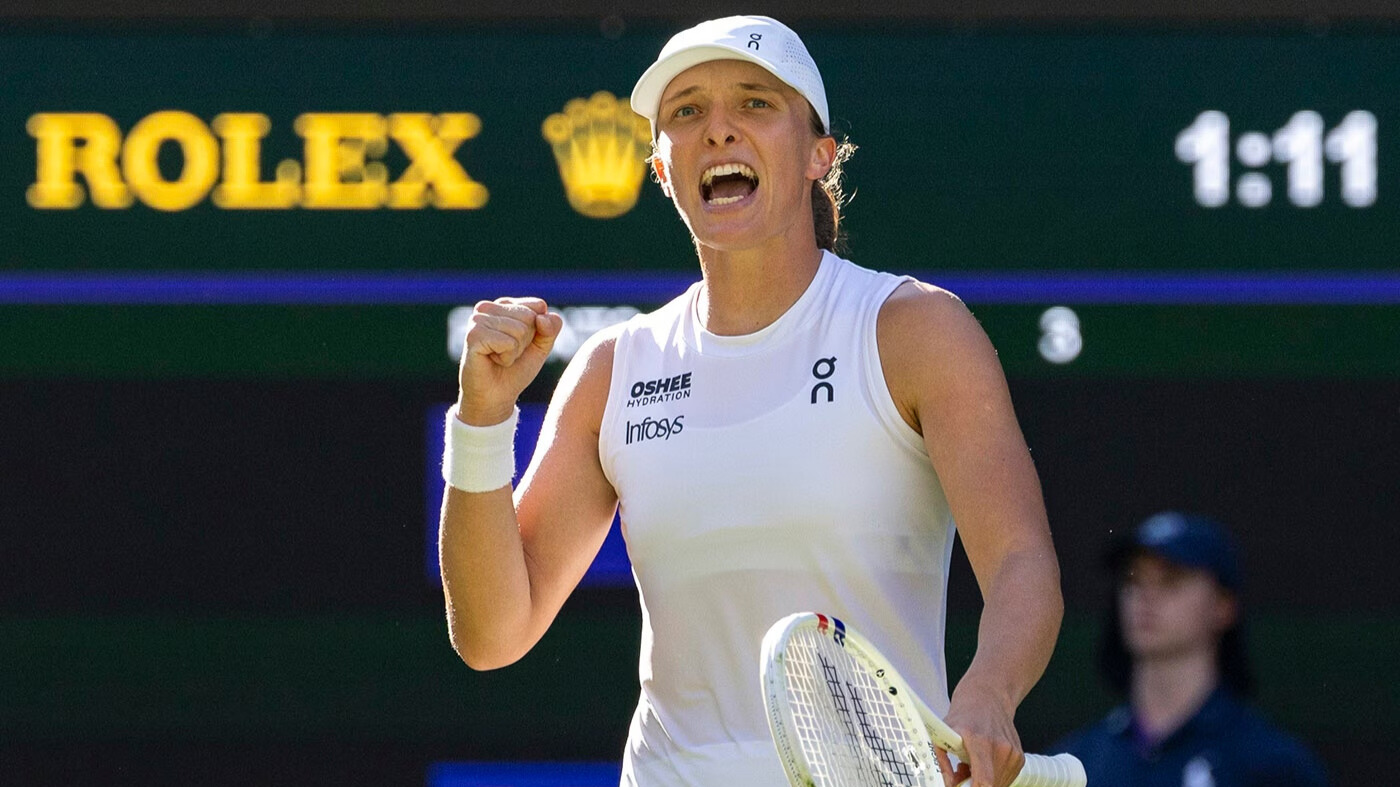
On the Women’s side, the picture is more stable. The top five are all present, with Amanda Anisimova the most notable absence due to injury. At the centre stands Aryna Sabalenka, for whom Madrid has become a second home. A three-time champion and fresh from Laureus recognition, the Belarusian arrives unbeaten in nearly three months, chasing a fourth title that would make her the tournament’s most decorated player, surpassing Petra Kvitova. Only Coco Gauff and Elena Rybakina stand as her most credible challengers.
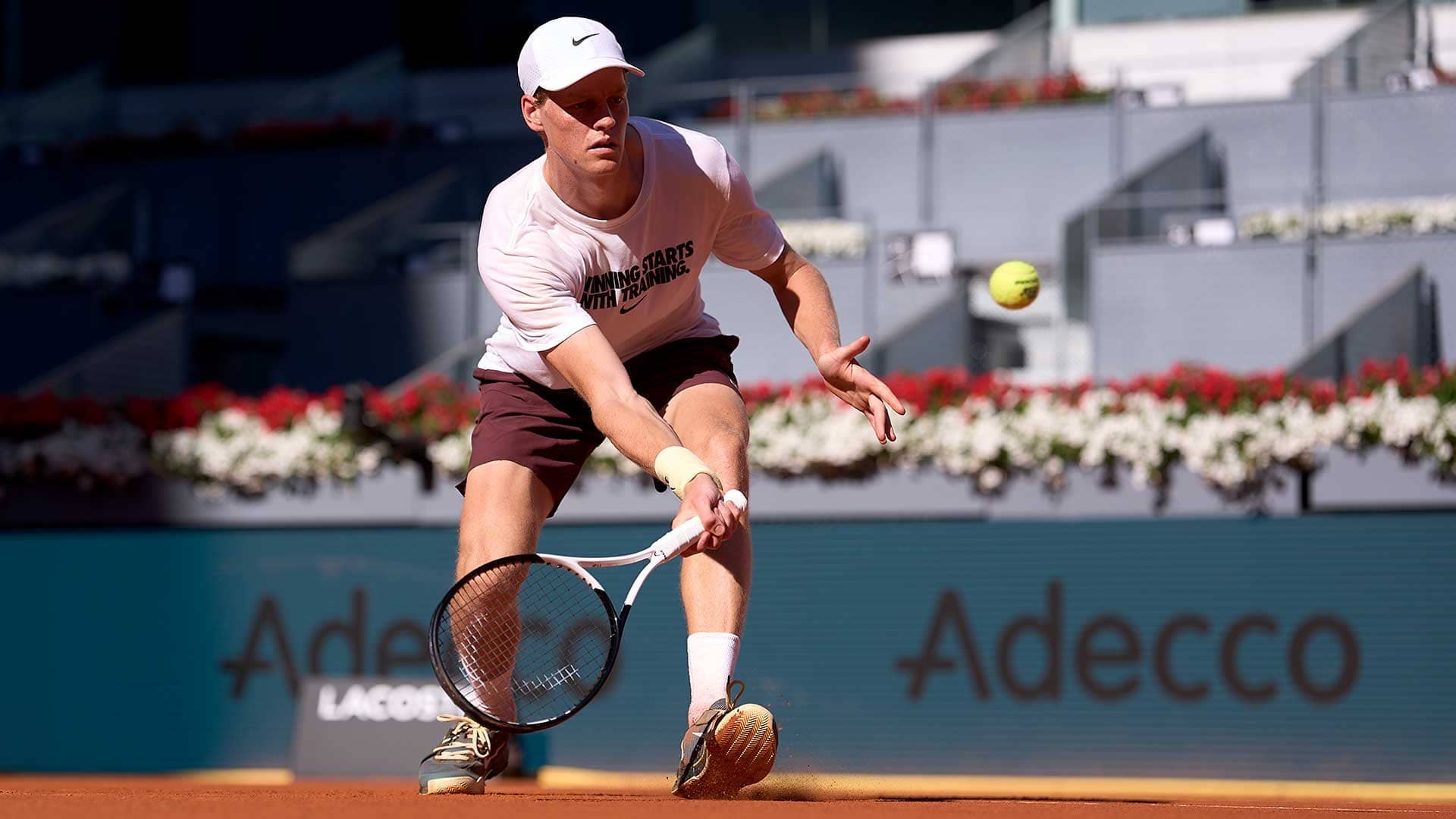
Back on the Men’s draw, the narrative sharpens around Jannik Sinner. The Italian arrives chasing a fifth consecutive Masters 1000 title - yet Madrid remains unconquered territory, with no appearance beyond the quarterfinals. If Monte Carlo confirmed his authority, Madrid will test his ability to play in his rival’s courtyard.
Momentum sits elsewhere too: Ben Shelton arrives buoyed by his Munich title, while Casper Ruud, the defending champion, returns under a cloud of injury picked up in Barcelona. Arthur Fils, fresh from his own title run, enters as one of the most dangerous floaters in the draw that could lead him all the way to the semifinals.
Expect epic battles under the Spanish sunshine. Living Sports will be on the ground to bring it to you live.
The Madrid Masters 1000 runs until Sunday, 3 May and it’s a ATP & WTA tournament. Tickets for the 2026 Mutua Madrid Open range from 24 € for minor matches to 181 € for the finals at the Estadio Manolo Santana.