It’s been absolute chaos at the Miami Open in the past week. Who could have imagined Alcaraz to be ousted in the Fourth Round? And why were there only three top 10 players in the round of 16 onwards? Miami has not disappointed fans, and its usual surprise has been brought in form of tennis players suddenly stepping up, or down. The last stop of the Sunshine Double has been nothing short of entertainment, and hard fought battles where survival instinct will gift us with a surprising Sunday final. Here, we review the highs and lows of the Miami Open’s Men’s tennis athletes.
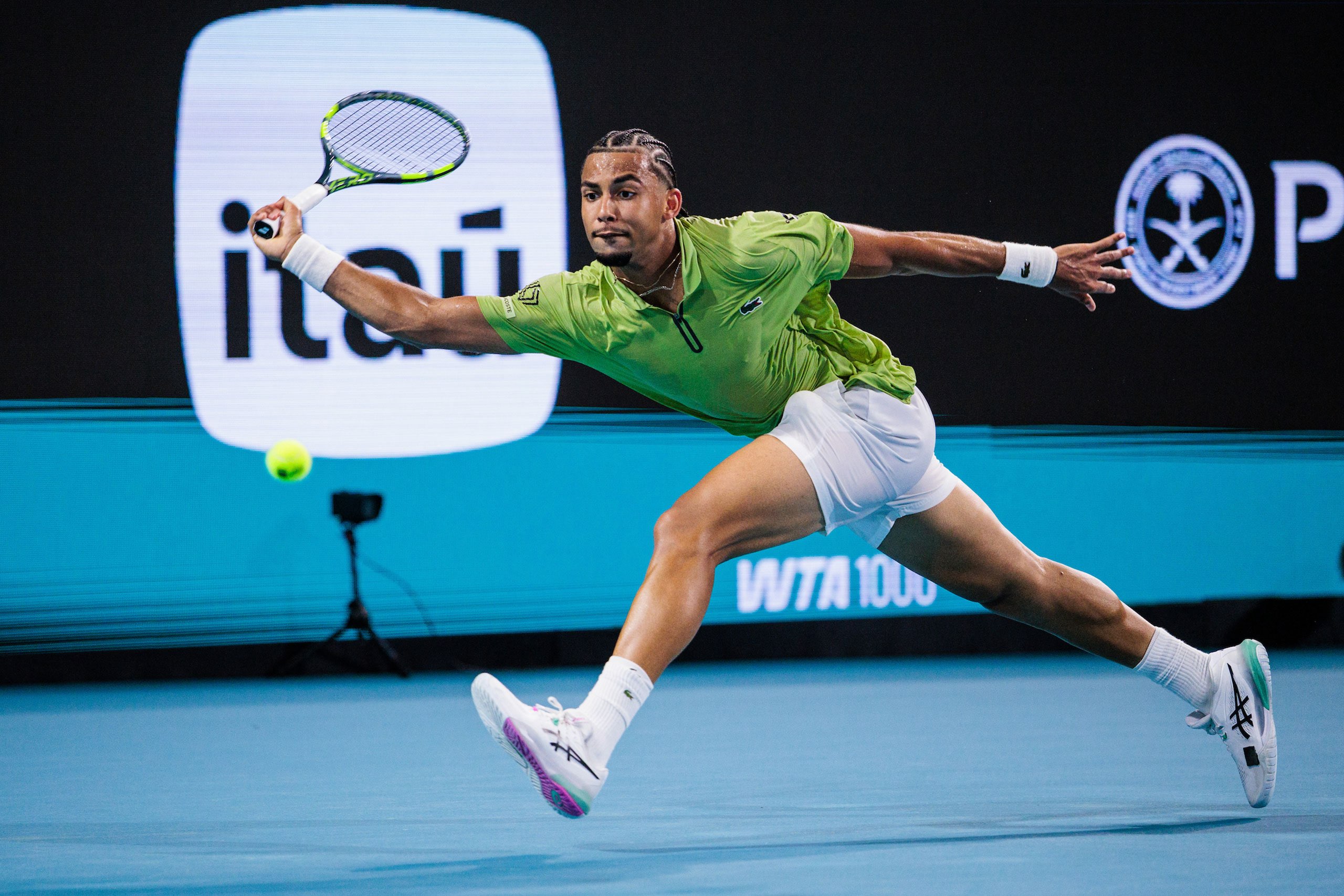
We may never have seen Arthur Fils play at this level before. In Miami, the Frenchman has been nothing short of sensational, dispatching high-calibre opponents such as Tommy Paul, Valentin Vacherot and Stefanos Tsitsipas with authority and intent. His return to the tour has been as striking as it is improbable. After a lower-back stress fracture sustained at Roland Garros in May 2025 restricted him to just one appearance in nine months, Fils resumed competition in February at the Open Occitanie. What followed in Florida feels like a statement: his explosive forehand, relentless energy and fearless shot-making remain very much intact.
The defining moment came against home favourite Tommy Paul. In a three-hour, unyielding contest - with no breaks of serve and three successive tie-breaks - Fils produced a masterclass in resilience. Saving four consecutive match points, he overturned a 2–6 deficit in the deciding tie-break to prevail 6–7(3), 7–6(4), 7–6(6). Miami Gardens watched in disbelief.
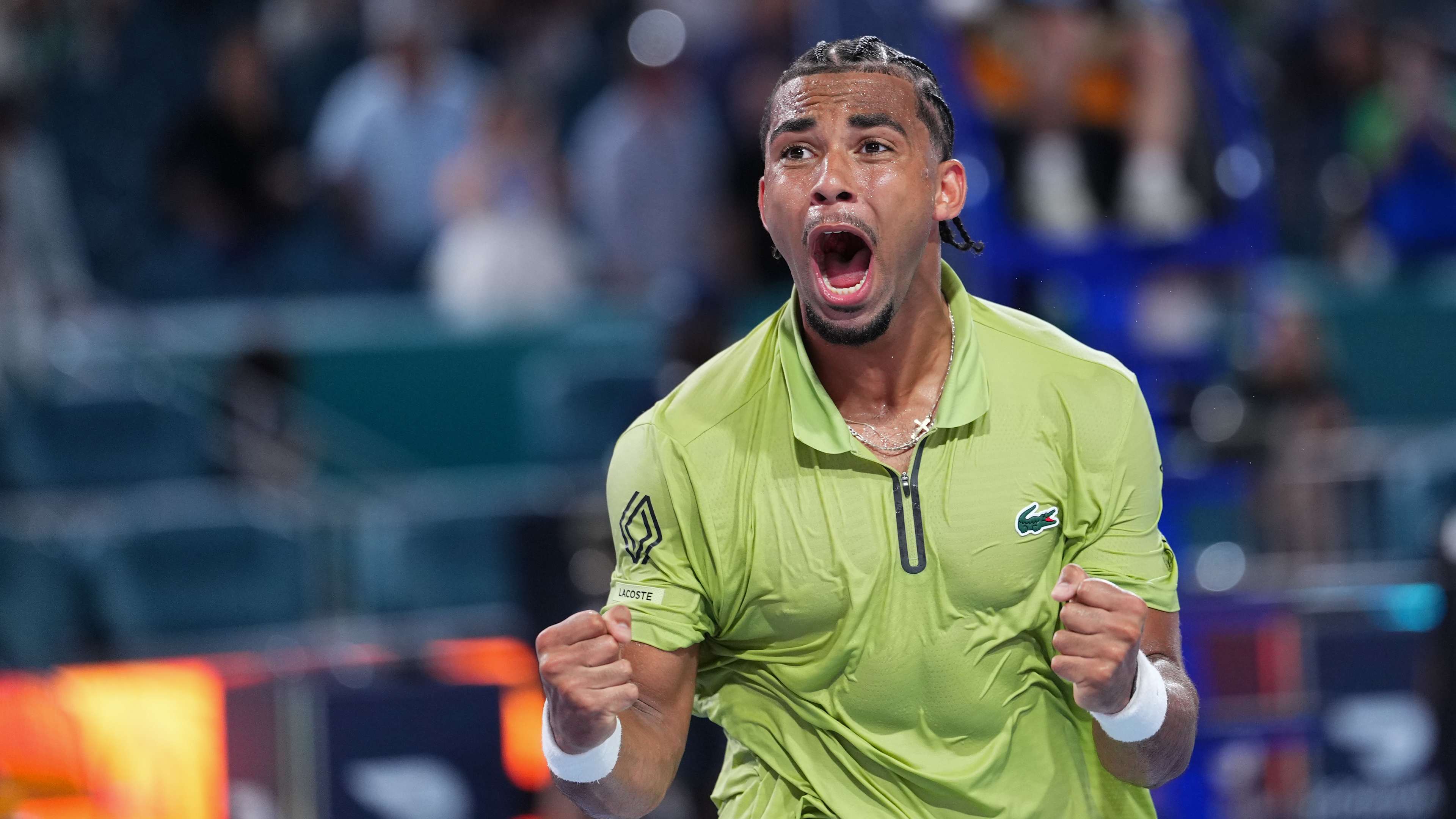
Tonight, he faces Jiri Lehecka, another player in form, who has already ended Martín Landaluce’s breakthrough run. While Fils has benefited from Alcaraz’s early exit, his progression is no accident. It is built on momentum, conviction and a growing sense of belonging at this level. A place in the semi-finals now beckons - and with it, the possibility of a first Masters 1000 final at just 21. Beyond that, a potential meeting with Jannik Sinner looms: one that could define not just his tournament, but his arrival to the bigger stages.
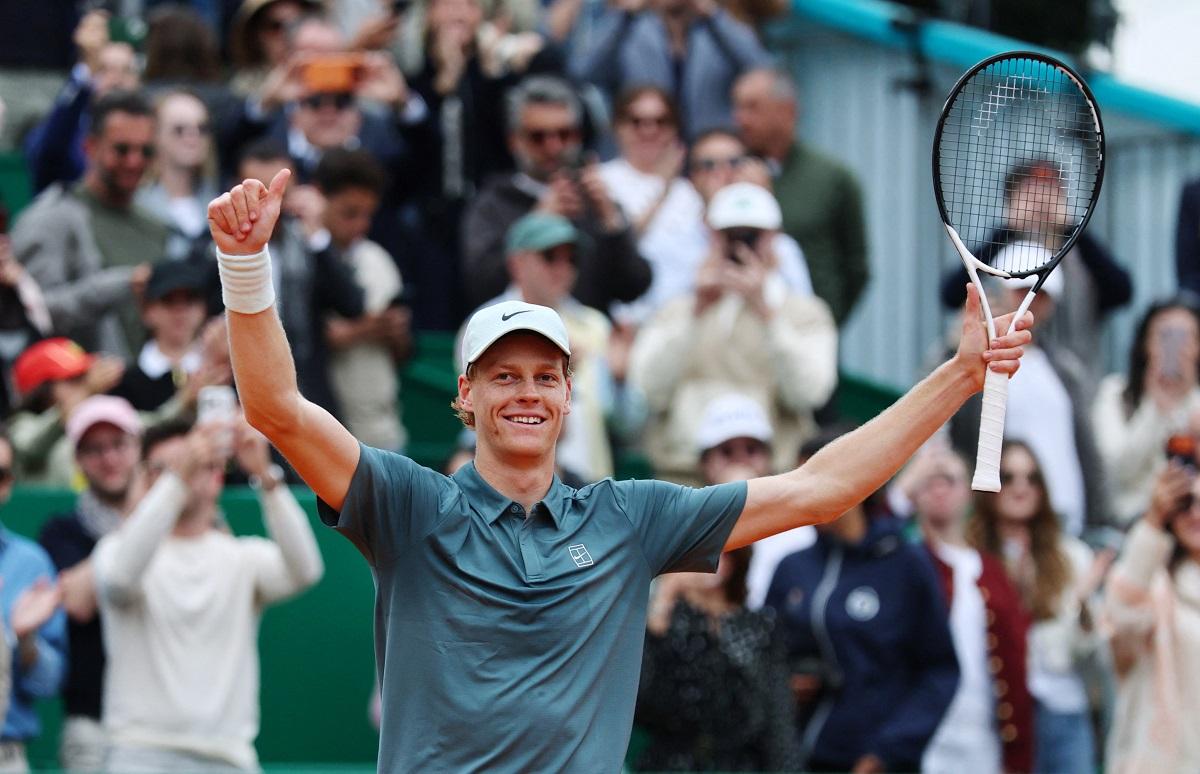
Solid, methodical and relentlessly reliable. Sinner continues to operate at a level few on tour can match. This week, he made history by defeating Frances Tiafoe and extending his run to 29 and 30 consecutive sets won at ATP Masters 1000 level, surpassing Novak Djokovic’s previous record of 24.
There is an emerging sense on tour that Sinner only truly falters against Alcaraz or Djokovic. Beyond those two, he has established himself as the dominant force in the men’s game - a player rarely placed under pressure. He now faces Alexander Zverev, who arrives in strong form in Miami, yet remains a familiar opponent: Sinner dispatched him with authority just weeks ago in Indian Wells.
The Italian’s measured, clinical approach stands in contrast to Alcaraz’s more explosive and instinctive style. Where the Spaniard dazzles, Sinner endures - built on precision, balance and control. With the Indian Wells title already secured, Sinner now sets his sights on the Sunshine Double - a feat not achieved since Roger Federer in 2017. It would be a statement not just of form, but of era-defining consistency.
Frances “Big Foe” Tiafoe arrived in Miami searching for rhythm after a challenging season. His 2025 campaign yielded a quarter-final at Roland Garros - a modest return for a player still chasing a first Masters 1000 title. Yet home conditions can shift momentum, and in Florida, Tiafoe has found a timely resurgence.
The Boca Raton resident, and Lululemon ambassador, fed off familiar surroundings to produce one of his most convincing runs in recent months. His campaign ended in the quarter-finals at the hands of Jannik Sinner (2–6, 2–6), but his level leading up to that encounter was more than encouraging.
He claimed a standout victory over defending champion Jakub Mensik, sealing the match in a third-set tie-break, before overcoming Terence Atmane in a tightly contested battle. While not flawless, Tiafoe’s tennis has been purposeful and tactically sharp - a version of his game the tour has missed.
Carlos Alcaraz’s early defeat to Sebastian Korda had left Spanish fans uneasy, especially with Roberto Bautista Agut and Alejandro Davidovich Fokina also exiting prematurely. Yet Miami offered an unexpected answer in the form of 20-year-old Martín Landaluce.
Ranked world No.151, the Spaniard produced the breakthrough run of his young career, reaching his first Masters 1000 quarter-final. In doing so, he restored a sense of Spanish pride - most notably by defeating Korda himself, avenging Alcaraz’s exit. After a gruelling two-hour, 20-minute battle, Landaluce saved a match point to prevail 6-2, 6-7, 6-4.
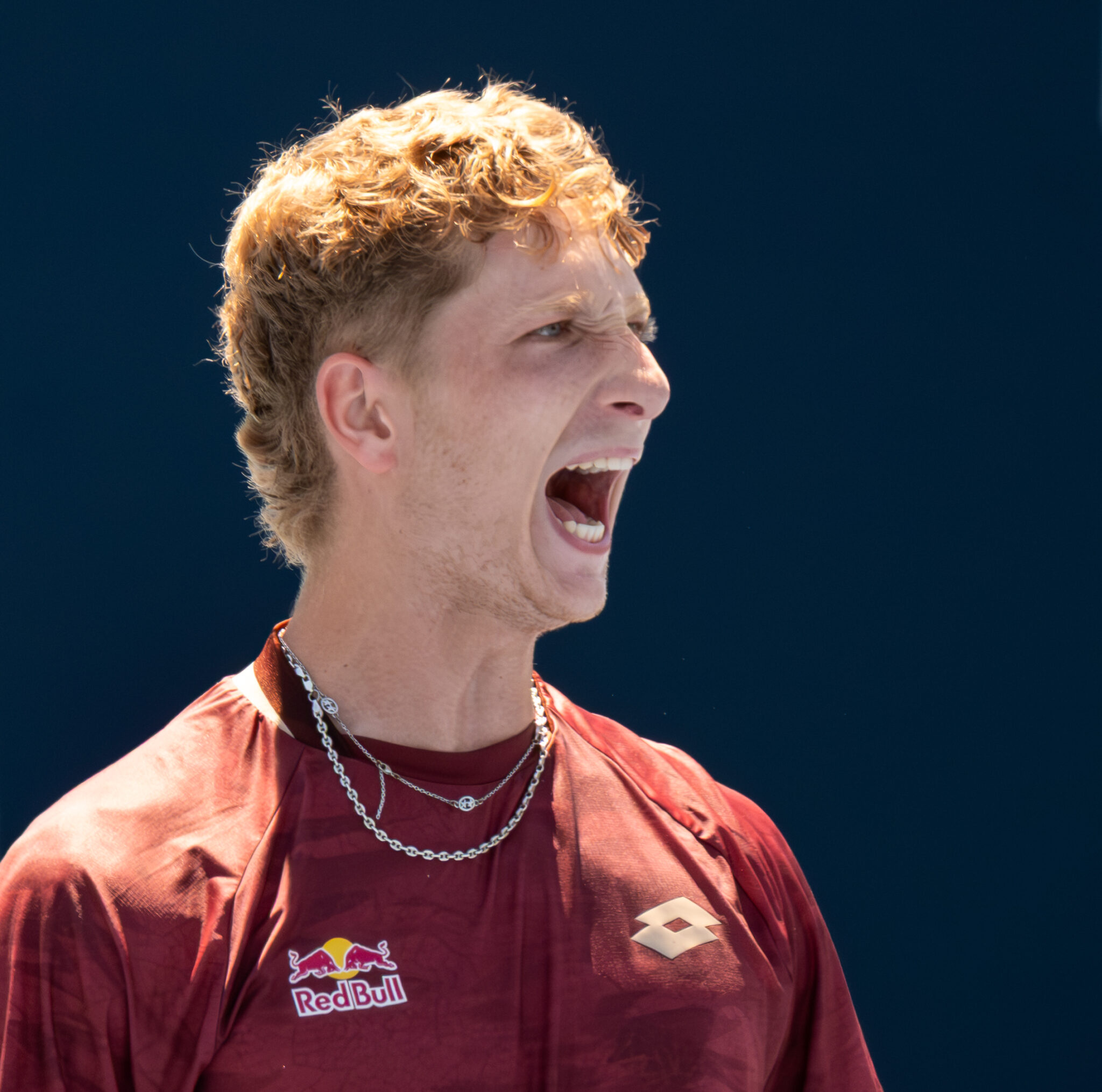
His run ended against Jiří Lehečka, under the watchful eye of Albert Molina - Alcaraz’s manager - but not without resistance. Landaluce pushed the Czech in a tightly contested encounter before falling 6-7, 5-7.
Miami, once again, has proven fertile ground for emerging talent - and Landaluce may well be the latest name to carry that momentum forward.
Miami has felt unusually light on top-10 presence in its latter stages - and much of that stems from an underwhelming showing from American talent. Taylor Fritz, the highest-ranked US player ahead of Shelton, Tiafoe, Tien and Paul, has not quite delivered on expectation. He opened with convincing wins over Botic van de Zandschulp and compatriot Reilly Opelka, displaying his trademark power and control. Yet his run was halted by Jiri Lehecka (No.21), who outlasted him in three sets and exposed the fine margins at this level.
The result leaves a lingering question: is the gap between the top 10 and the chasing pack truly that wide? Players like Lehečka would argue otherwise.
Many expected Alcaraz to glide through the draw, at least into the latter stages. Instead, the Spaniard has revealed a more fragile side to his dominance during the American swing: unexpected defeats. He fell to Medvedev in the Indian Wells semi-final and, in Miami, suffered a surprise loss to world No.36 Sebastian Korda after opening with an entertaining win over João Fonseca.
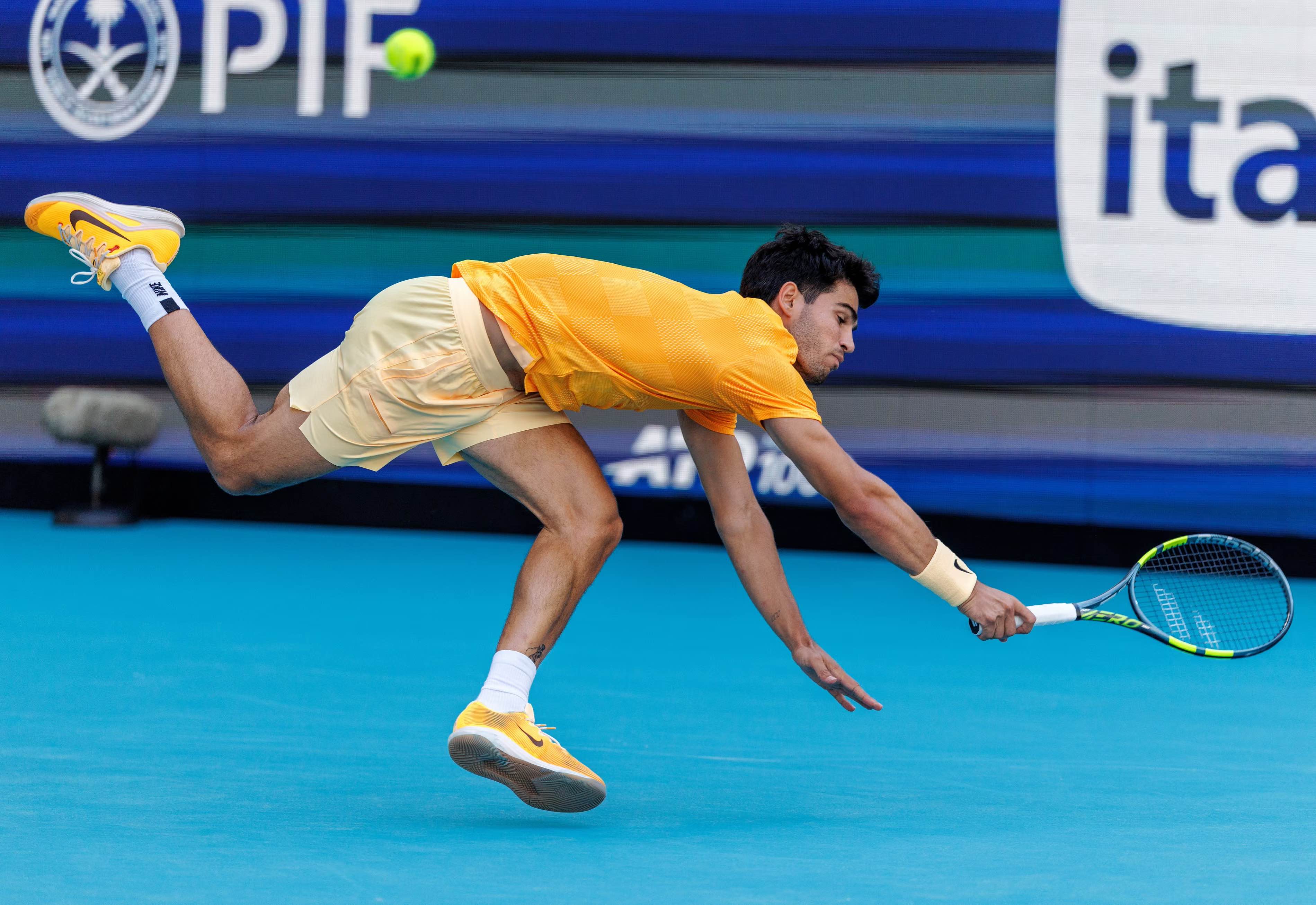
It marks a troubling pattern - four consecutive defeats in Miami since lifting the title in 2022. Korda’s level was exceptional, yet the focus remained on Alcaraz and his inability to engineer one of his trademark comebacks. After dropping the first set 3–6, he responded to take the second 7–5, but faltered in the decider. A lengthy rally on serve ended with a forehand miss, handing Korda the break. From there, the American remained composed, holding serve to close out the match.
For Alcaraz, the timing of the defeat may offer a silver lining. An early exit grants him valuable recovery time ahead of the clay-court season - where expectations, once again, will rise sharply.
Shelton’s campaign adds to a broader trend: a series of underwhelming displays from top-10 players across both Indian Wells and Miami. The American fell to compatriot Learner Tien in California and exited early again in Miami, losing in the second round to Kazakhstan’s Alexander Shevchenko (No.84).
Miami, in particular, has not been kind to Shelton. Last year, he was stunned by world No.192 Coleman Wong - a result that still lingers. After a shortened and surprisingly subdued hard-court swing, Shelton now turns towards the clay season in search of renewed momentum. A response will be expected.
The Miami Open finals will be played on Sunday, 29 March and will the feature the winners of Sinner-Zverev and Lehecka-Fils.