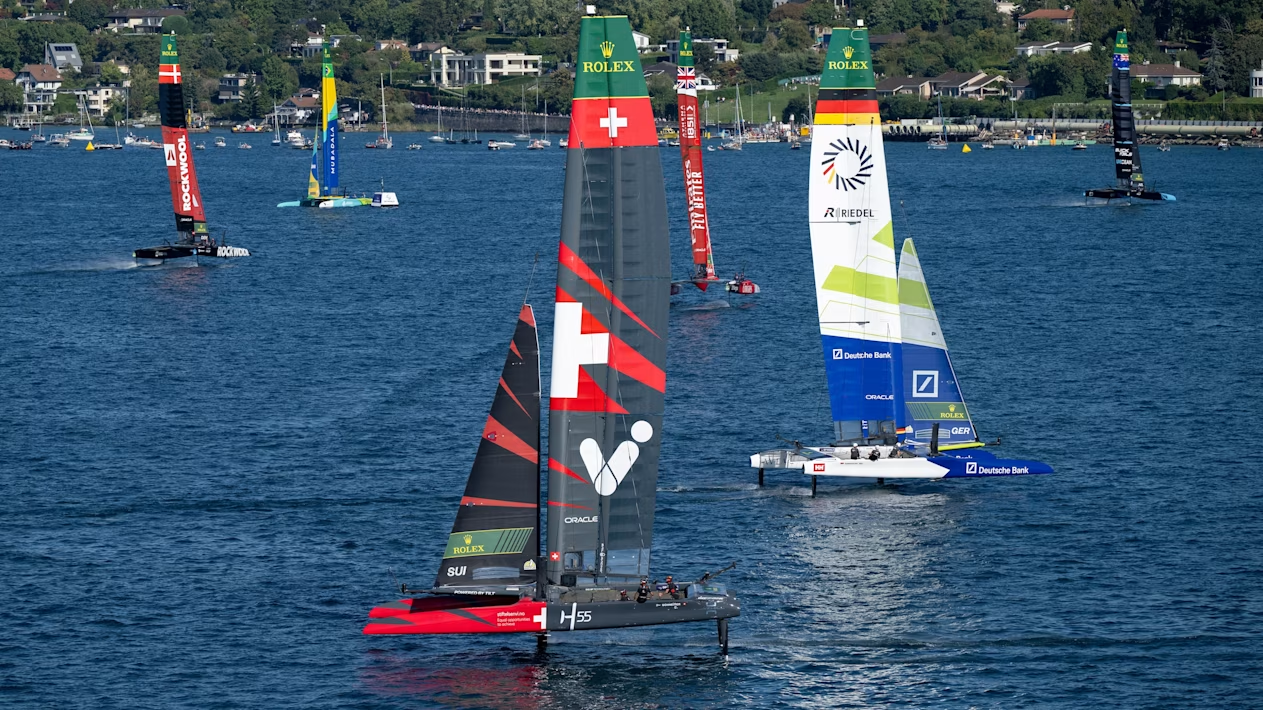
The opening day in Sydney was shaped entirely by light wind and tactical precision. With New Zealand and France absent following their collision in Auckland, the focus shifted to a rivalry that is beginning to define the 2026 SailGP season: Spain versus Australia.
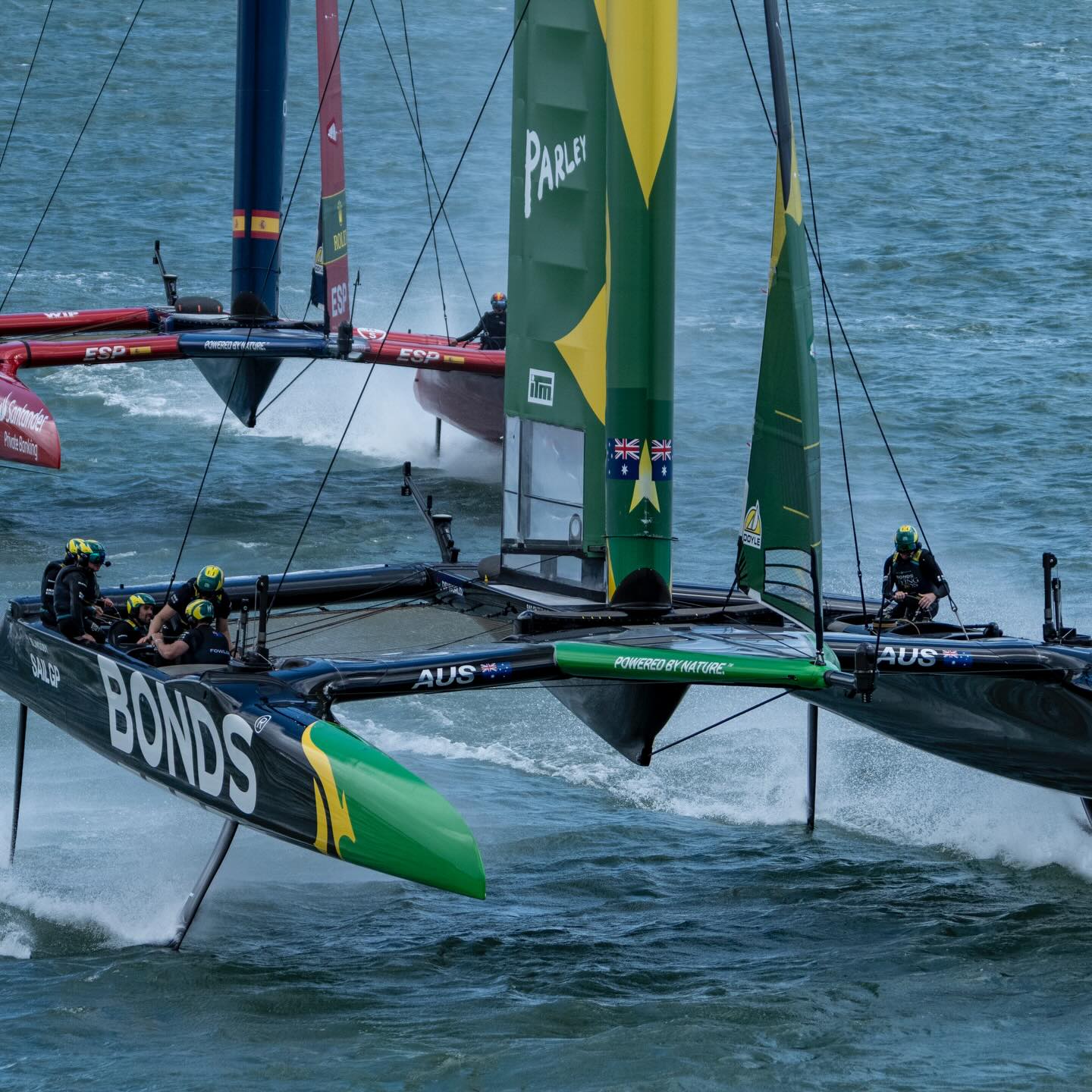
At the Sydney Sail Grand Prix, Diego Botín’s team delivered a measured and effective performance. It was not dominance from the outset. Instead, Spain won the races that mattered and limited losses when conditions turned against them. The result was provisional leadership at the end of the day, two points ahead of Tom Slingsby’s Australia and six ahead of Sweden.
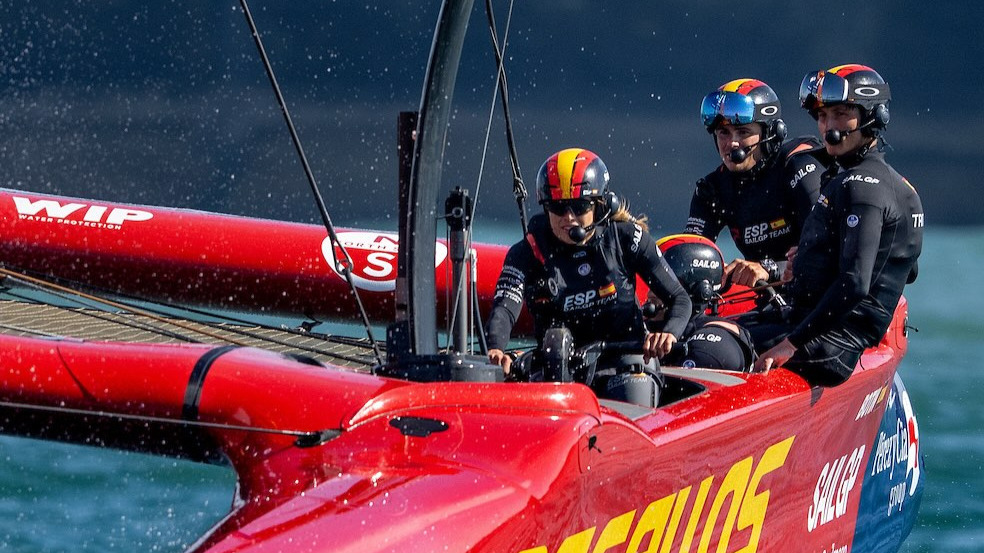
Race 1 was an exercise in restraint. With barely seven knots of breeze across the harbour, any loss of foiling stability carried a heavy penalty. Australia adapted quickest. They built their victory on clean manoeuvres and disciplined flight time rather than aggressive positioning. Spain took a conservative approach. Botín and Florian Trittel avoided unnecessary risk and finished fifth, gathering valuable information about the racecourse. In marginal conditions, understanding the shifts can be more important than forcing an early result.
.jpg)
Race 2 required a different approach. Spain committed at the start, securing early control and protecting their lane. The breeze remained unstable, demanding accurate side selection and precise timing through manoeuvres. Tactical choices outweighed outright speed. Spain maintained flight while others struggled to stay airborne and crossed the line first in 9 minutes 11 seconds. Switzerland finished second and the United States third. Australia, penalised after an incident, fell out of contention.
The third start was chaotic. Multiple teams were over early, Germany was forced to restart, and further boundary penalties reshaped the fleet before the first mark. Spain avoided the congestion and rounded in front. Performance data reflected the difference. Spain recorded the highest ride time in the fleet at 73 percent. They were not the fastest boat in terms of peak speed, but they were the most consistent through transitions. In light air, stability determines the outcome. Sweden and Italy attempted to close the gap but could not reduce the deficit. Spain secured the win by more than a minute.
With two race victories, the fourth required control rather than risk. Spain crossed the line ninth and began a steady recovery, climbing into third before encountering a patch of reduced pressure that stalled their momentum. Australia, Germany and the United States found better breeze and separated from the fleet. Australia took the win, Germany finished second and the United States third. Spain ended fifth, retaining enough points to stay ahead overall.
The first day confirmed several points. Spain’s performance in Auckland, where they finished third, was not an isolated result. They have re-established themselves as consistent contenders. Australia remain highly effective in their home venue, particularly in light and unstable conditions. The absence of New Zealand and France has altered the competitive landscape, and Spain are capitalising.
Forecasts indicate stronger winds for the remaining races. Increased pressure typically reduces volatility and rewards execution over opportunism. With three fleet races scheduled before the final, Spain are best placed to secure a position in the deciding race.
After one day in Sydney, the margins remain tight, but the structure of the event is clear. Spain lead through disciplined decision-making and efficient flight control rather than isolated moments of speed. The second day will determine whether that approach is sufficient to convert early advantage into overall victory.
All will be decided tomorrow at the Sydney Sail Grand Prix.



.jpeg)