There is a version of Sunday at Shinnecock Hills that ends differently. Sam Burns, two putts away from forcing a playoff and perhaps winning his first major championship, missing on 17 and again on 18; each one grazing the edge and refusing to fall. Wyndham Clark, in the scorer's trailer moments later, learned he had held on. The version that actually happened was identical; the difference was only in who was watching and what they wanted. A gallery at Shinnecock Hills, on Father's Day, in front of one of golf’s most unforgiving venues, spent four hours wanting Clark to fail. He didn't.
Clark finished at 4-under 276, one shot clear of Burns, to win the 126th US Open at Shinnecock Hills Golf Club in Southampton, New York. For those who don't know, the course played to a par 70 at 7,440 yards. Clark became only the ninth player in the championship's history to win wire-to-wire. His rounds of 64, 69, 70 and a final-round 73 tell the story of a player who arrived in complete control and had to fight his way to the finish line. He entered Sunday with a six-shot lead. He closed with a one-shot win. Everything in between was, by his own account, the hardest golf he has played. Wyndham Clark won the championship, marking his second U.S. Open title.
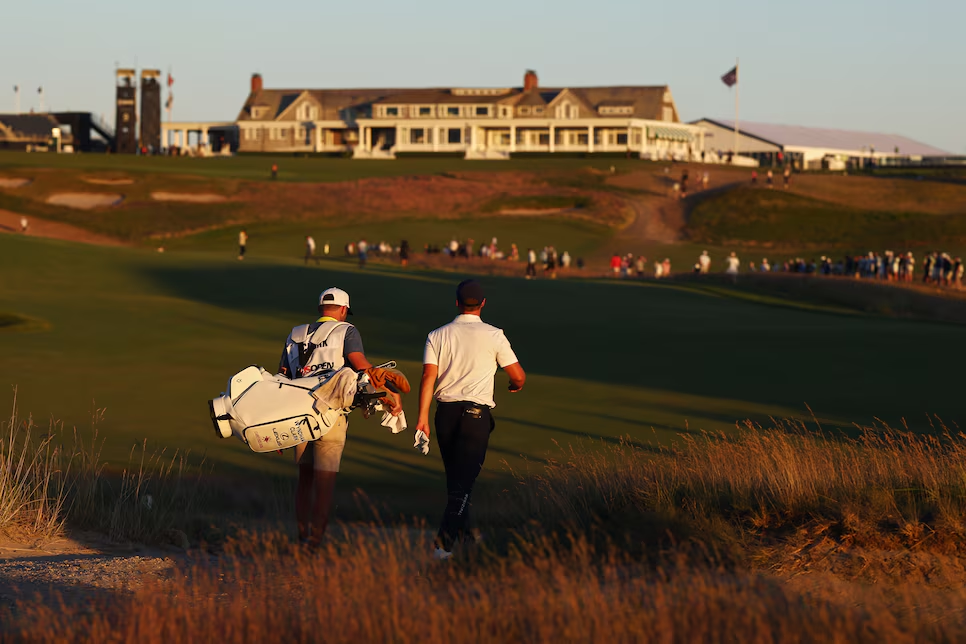
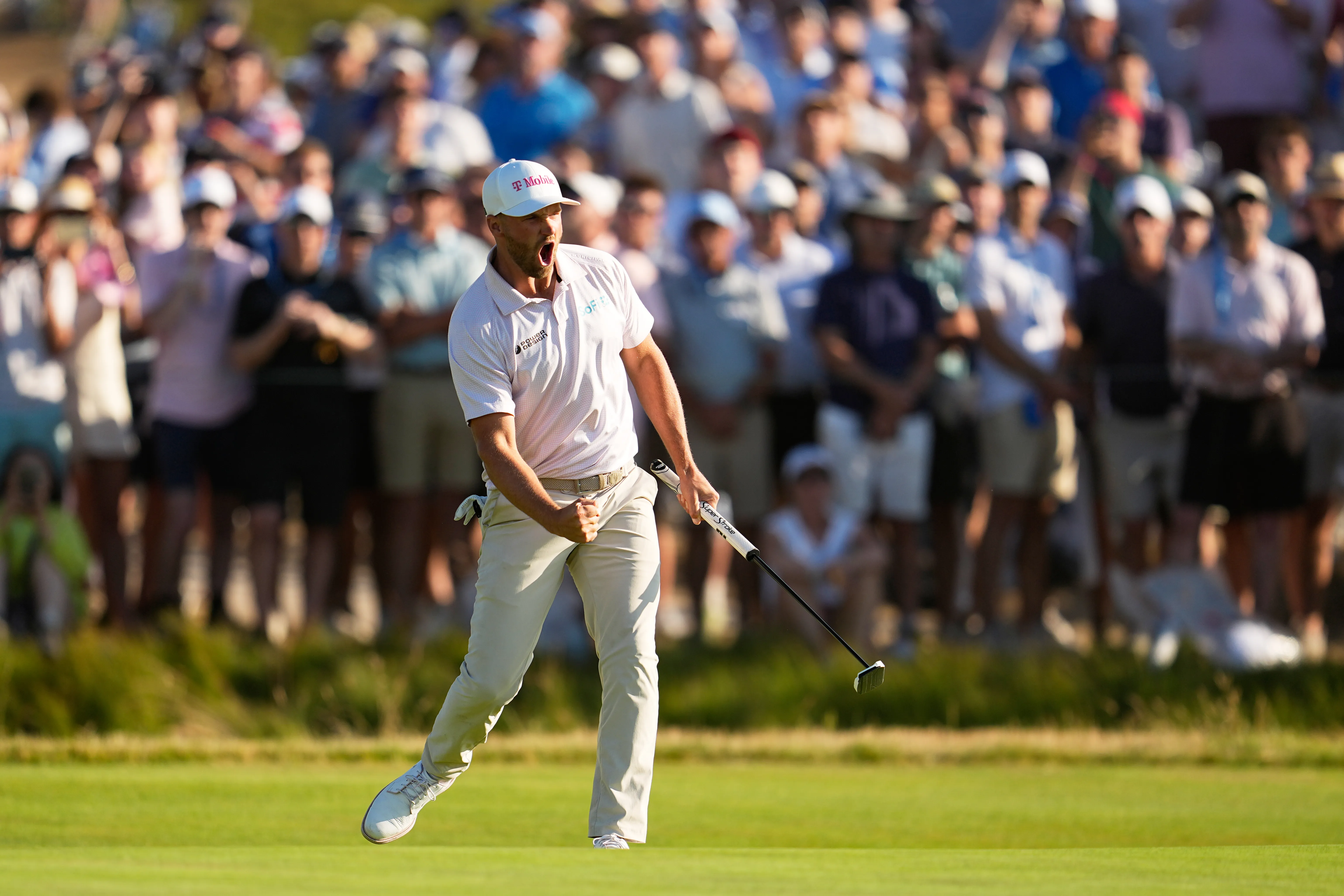
The crowd was seemingly hostile towards this year's winner from the first tee, regardless of the fact that the 2026 tournament featured a 156-player field. Clark has spent the better part of a year apologizing for incidents at the 2025 PGA Championship and US Open at Oakmont; a thrown club, a damaged locker room, public statements of remorse that he reiterated again on Sunday. "Some of it's self-deserved," Clark said on NBC after the win. "I did some unfortunate things last year that I really regret, and I've been sorry multiple times and I'm still sorry." The gallery at Shinnecock was not ready to move on. Rowdy spectators were removed from the course, likely losing all ticket access, during the final round for inappropriate comments directed at Clark. Brandel Chamblee, watching from the broadcast booth, called it the worst treatment he had ever seen an American receive on home soil. Clark absorbed it and kept playing.
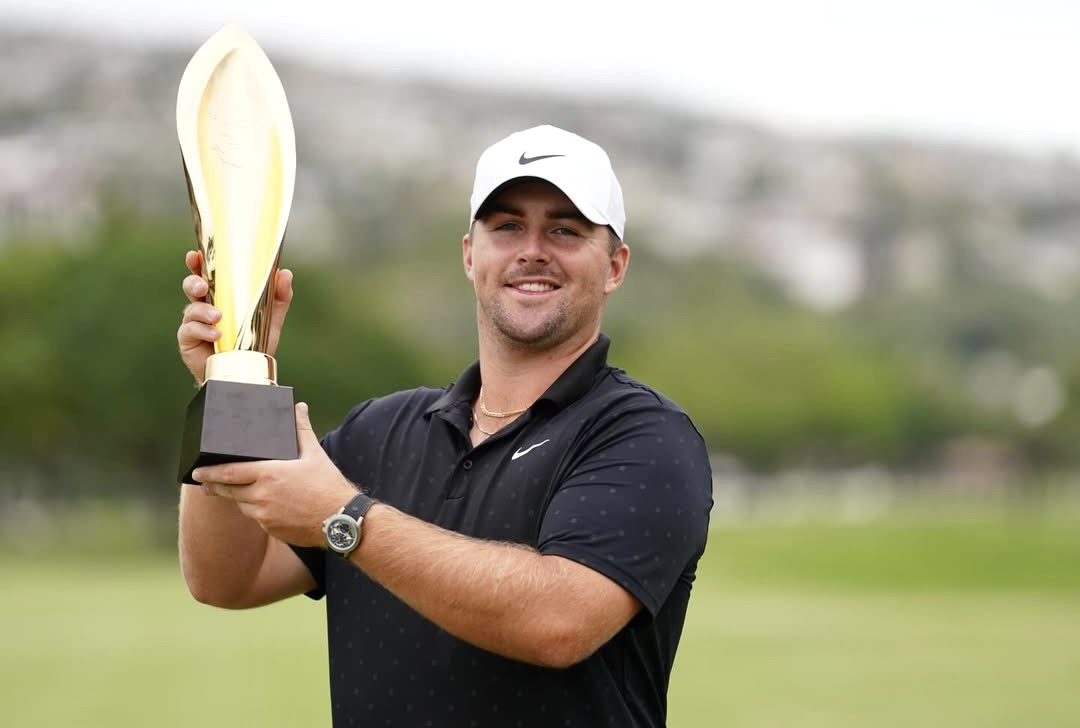
His game was not clean. He posted a 3-over 38 on the front nine of the final round, allowing Burns to close to within one. On the par-5 16th, with his lead fragile and the crowd against him, he hit his tee shot into tall fescue left of the fairway. What followed was the shot that defined the week: he blasted back into the fairway, hit his third to 24 and a half feet and made the birdie putt to open a two-shot lead. "It wasn't good," Clark said of the lie. "I thought it could come out a little knuckly and jump. It didn't quite do that, but I'm glad I pulled the shot off because things could have gotten a little ugly there." Burns missed birdie chances on both 17 and 18 that could have forced a playoff. When Clark's final putt on the 72nd hole settled inches from the cup, it was over. His second US Open title was confirmed; his fifth PGA Tour win in total, and a $4.5 million cheque from a record $22.5 million purse.
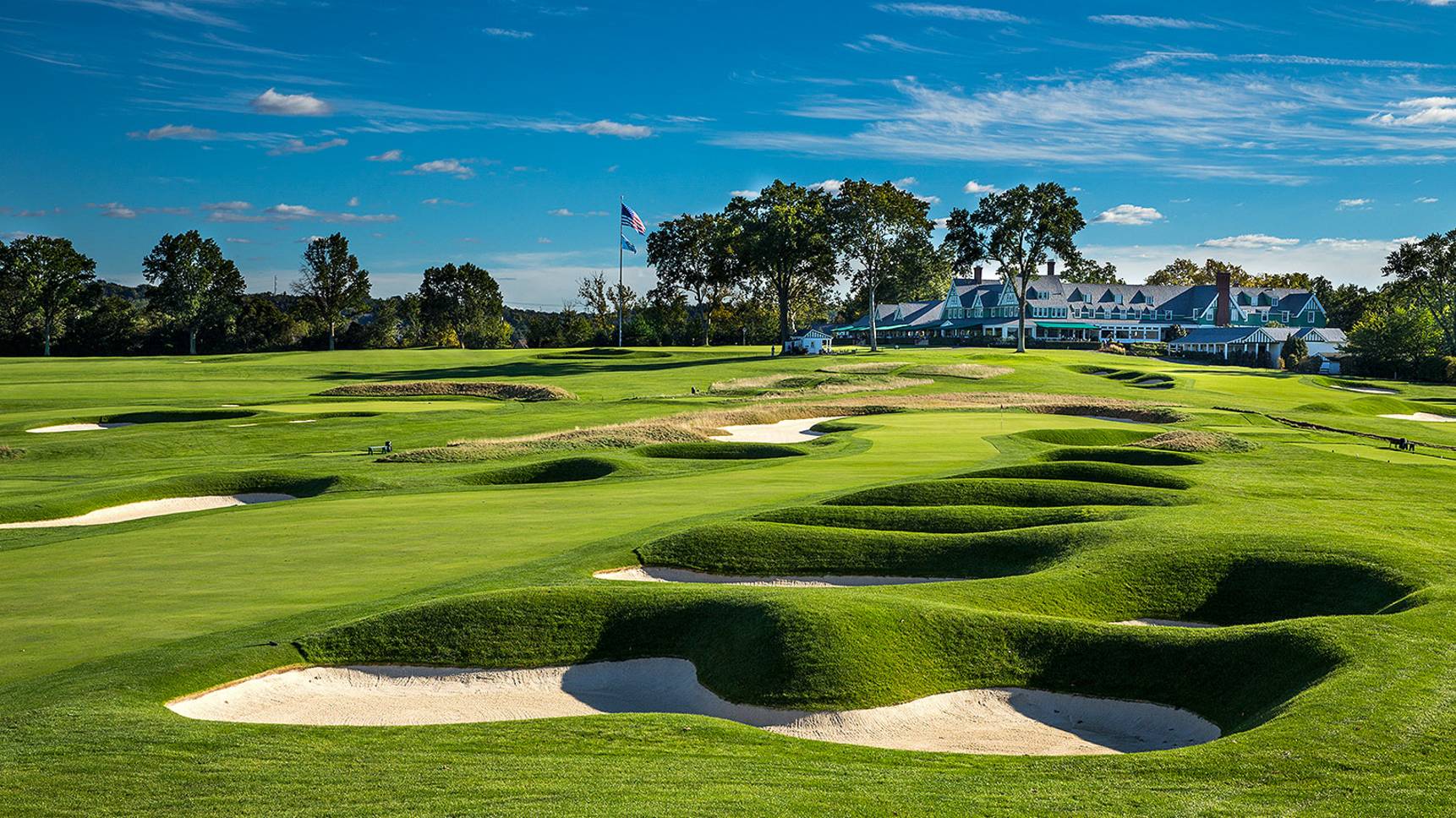
Burns's week deserves more than a footnote. He is one of the best putters on the PGA Tour and has consistently placed himself in contention at major championships without converting. He closed with a 67 at Shinnecock; the best final round of anyone in the field, and his best finish at any major. He came agonisingly close to the kind of Sunday that changes a career. Golf at this level rarely gives second chances at the same moment, and the image of Burns on his knees after his putt on 18 slid past will stay with anyone who watched it.
Scottie Scheffler entered Shinnecock seeking his first US Open title, the one major he has never won. He bogeyed the first hole of the final round and never gathered the momentum the week demanded. He finished tied for fourth at even-par; a result that, by his own extraordinary standards, represents a missed opportunity rather than a failure. Scheffler has finished inside the top five in eleven of his starts this season; his 2026 has been a study in consistent brilliance without the major to punctuate it.
The detail that sits alongside Clark's trophy is that his father Randall flew in on a red-eye from Denver as a surprise. Sunday was Father's Day. Clark's mother Lise died of cancer when he was 19; she is never far from the surface when he wins a major. "The first one was kind of just the breakthrough of knowing I could do it," Clark said. "This one was kind of redemption." Randall Clark, watching his son walk up the 18th fairway with the crowd chanting against him, said afterward: "If you look up resilience in the dictionary, you see his name." He was not wrong.
The next event for golf fans is the 154th Open Championship, as it moves to Royal Birkdale, July 12-19, organized by The R&A. For Clark, carrying momentum from Shinnecock, and previously the CJ Cup, carrying form that now spans three wins in 2026 including two majors, the question heading into July is no longer whether he belongs in the conversation. At this point, we should all be asking if anyone is going to stop him.