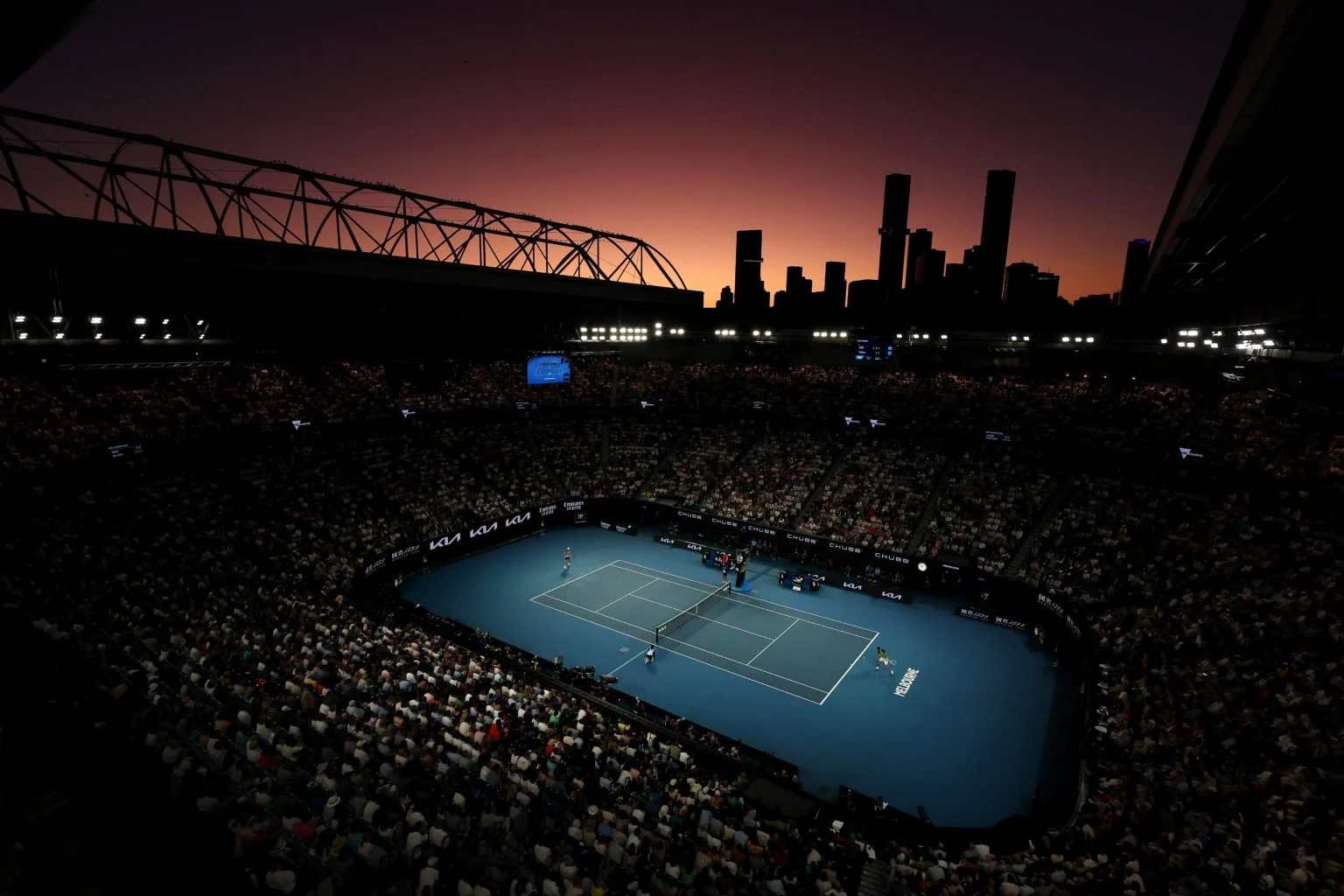
Melbourne has already delivered, as it so often does. The past week offered light-hearted spectacle, but since Sunday the tone has shifted. Smiles have given way to focus, exhibitions to competition, as the Australian Open steps into its most demanding phase. While attention naturally gravitates toward another Sinner–Alcaraz final and why not a Sabalenka–Swiatek face-off, a question hangs in the air: can anyone disrupt the script before momentum takes hold? Here’s our take on what the tennis ahead may hold.
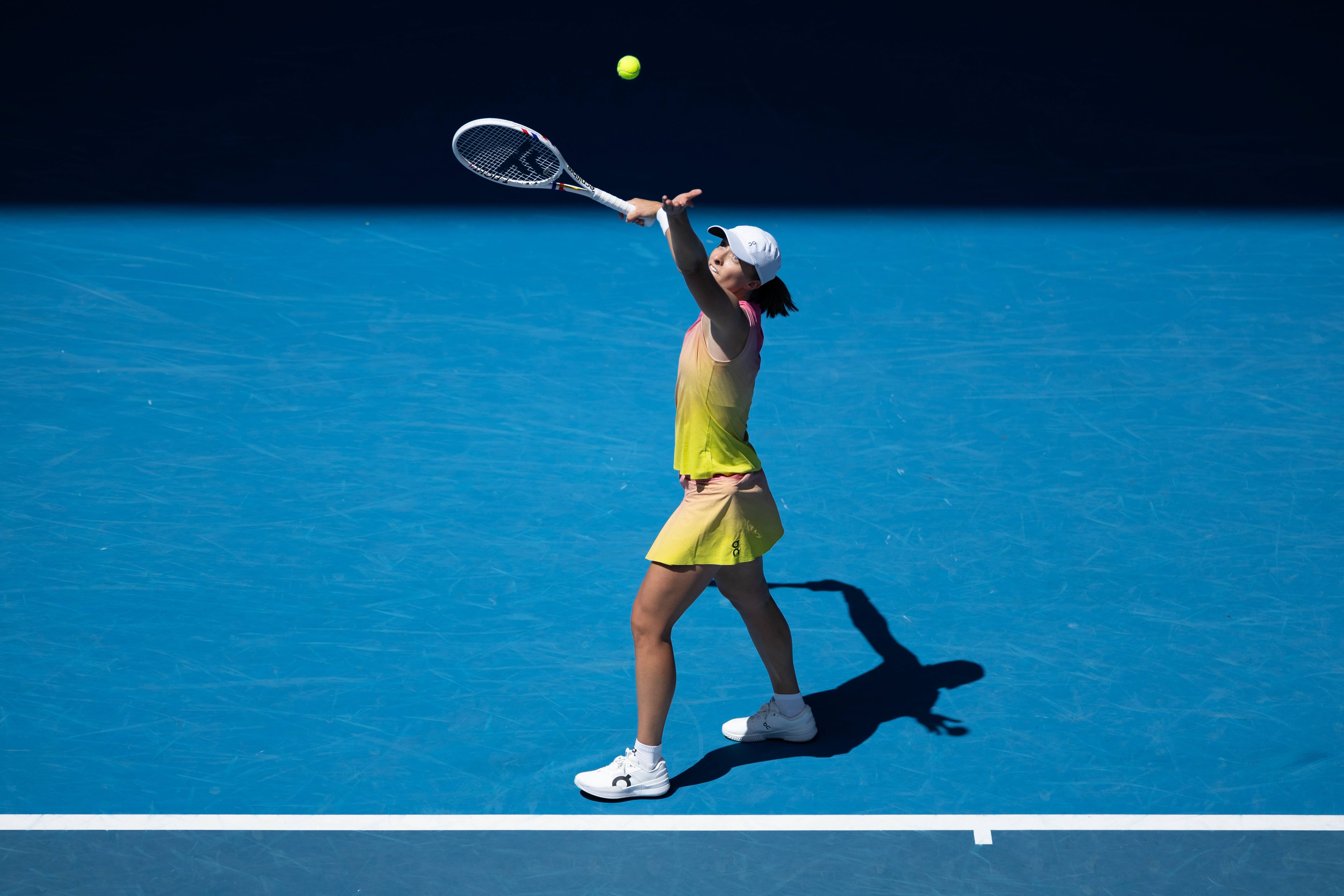
In 2020, Iga Swiatek captured the first Grand Slam of her career at Roland-Garros, defeating Sofia Kenin. Six years on, with five major titles to her name — built across Paris, London and New York — Swiatek arrives with momentum and determination as she sets her sights on the 2026 Australian Open, the missing piece in her pursuit of the Career Grand Slam. After a composed opening-round win earlier today, she will face Marie Bouzkova on Wednesday, eyeing a deep run that could yet bring her into the orbit of Naomi Osaka or Elena Rybakina.
The Australian Open has long been Swiatek’s most testing stage. She has yet to progress beyond the semifinals in Melbourne, falling last year to the editions’ winner, Madison Keys. Yet this season feels different. 2026 is not just another start for Iga. Her match against Yue has proven that she has the ability to bring to the hard courts what she’s shown across Wimbledon last year: a game filled with class, precision and power that can take any opponent out.
Should Iga reach the final this year, the path may well lead her to the tournament’s ultimate test: Aryna Sabalenka, the reigning world No. 1. Sabalenka arrives not only in form — fresh from a US Open triumph and a year spent at the summit of the rankings — but on a surface that feels instinctive to her game. All of her major titles have come on hard courts, whether under the lights of New York or the sun of Melbourne. There is a certainty in the way she steps onto these stages, an understanding of where her dominance lies. On this surface, she knows she belongs — and it is why, once again, she enters as the player to beat.
Lurking along Swiatek’s path are Elena Rybakina and Amanda Anisimova — two players who have asserted their authority on hard courts in 2025. Rybakina seems to possess the weapons to disrupt Iga’s rhythm, and could emerge as the defining obstacle on her side of the draw.
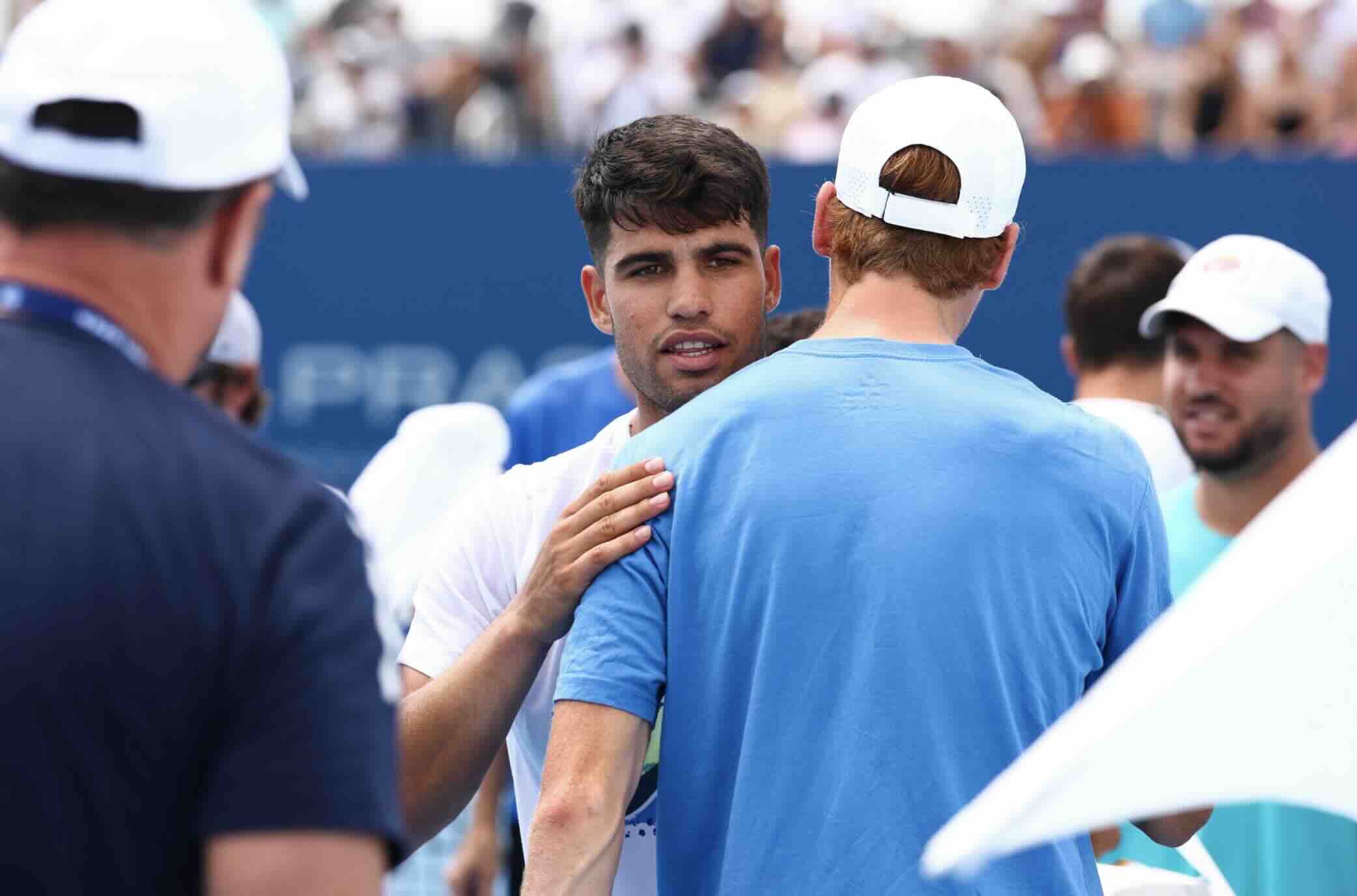
Drawn on opposite sides, they remain bound by an almost inevitable pull. An energy that gathers pace as each clears his path, drawing them closer with every round. It has become a familiar feeling when a Grand Slam begins and both are fit to compete: the sense that Carlos Alcaraz and Jannik Sinner are once again on course for a final meeting.
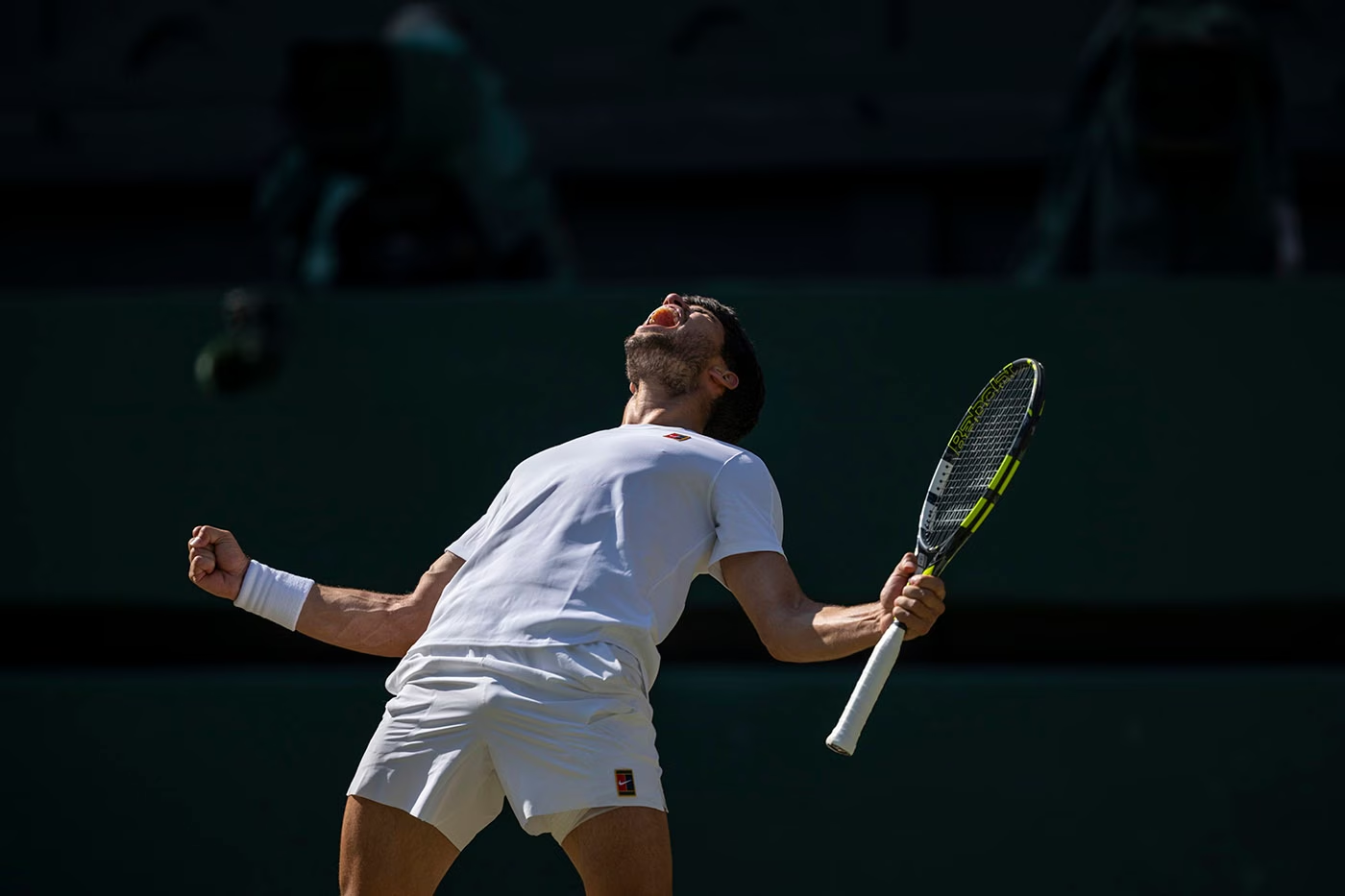
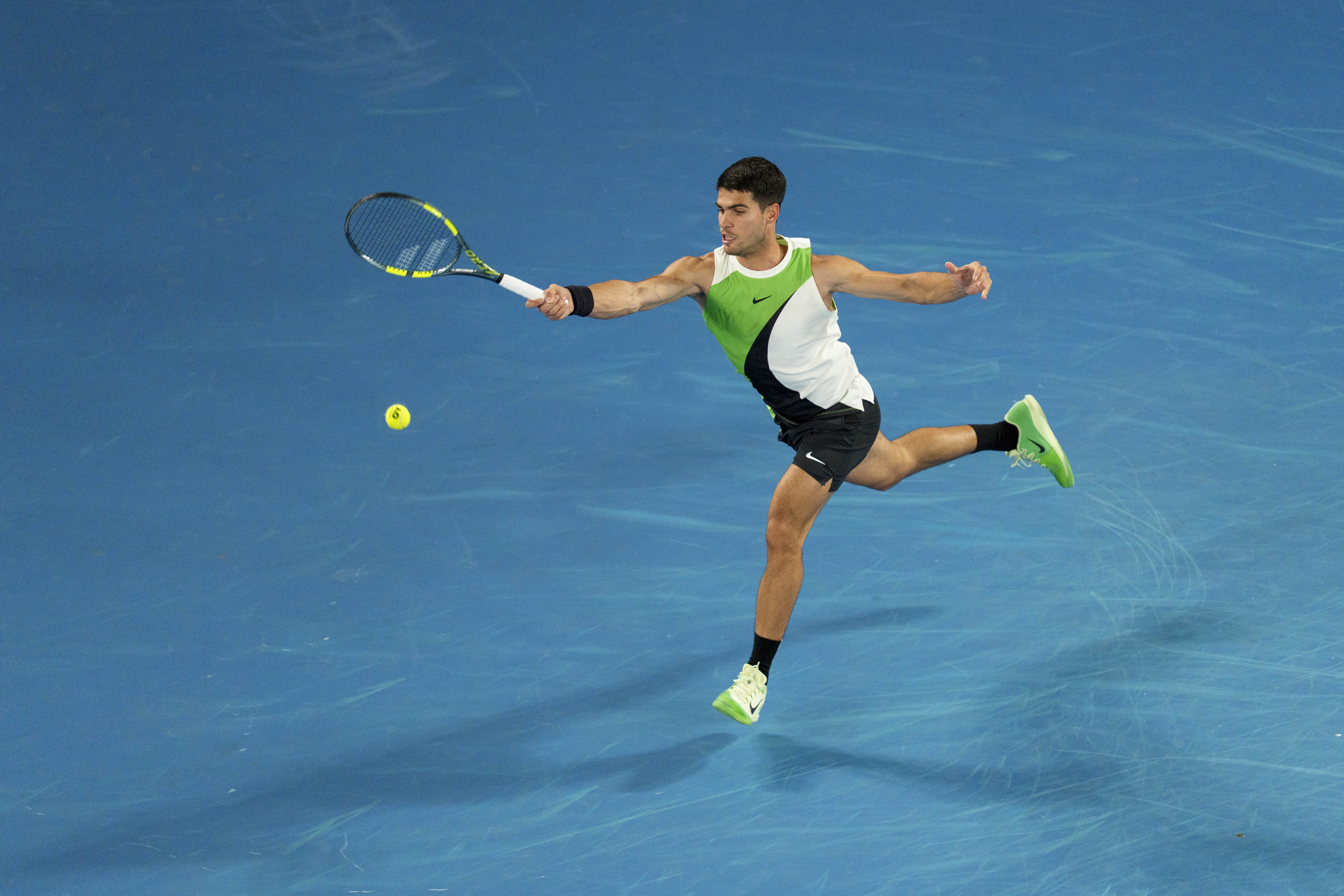
Carlos Alcaraz began his Australian Open with a composed three-set victory over college player Adam Walton, 6–3, 7–6(2), 6–2 — a match that unfolded less as a contest and more as a measure of control. Up next is Yannick Hanfmann (world No. 102) on Wednesday, a pairing that suggests a similar rhythm. Since his second-round loss to Mikael Ymer in 2021, Alcaraz has rarely faltered in the opening rounds of a major. This January, the objective extends beyond progress: Melbourne offers him a first Australian Open crown, and with it, the chance to complete the Career Grand Slam.
On the other side of the draw, Jannik Sinner is yet to begin his Melbourne run. The Italian is set to open against Hugo Gaston on Wednesday, a matchup that, on paper, points toward a controlled start. A sterner examination could arrive in the third round, where Joao Fonseca looms — a rising name keen to announce himself on the big stage ahead of 2026. Beyond that, the road narrows: from the quarterfinals onward, beginning Sunday 25 January, only top-20 opposition is expected to stand in Sinner’s way.
Even if that intangible pull points toward an Alcaraz–Sinner final on Sunday 1 February, the wider field still demands attention. Much will hinge on Novak Djokovic’s condition. The Serbian eased past Pedro Martínez earlier today and has deliberately avoided competitive play this year, arriving in Melbourne fully focused on the Slam. A deep run looks likely, fitness permitting. Elsewhere, Alexander Zverev, Alex de Minaur and Lorenzo Musetti arrive with momentum and genuine ambition. De Minaur, in particular, could be set for a standout quarterfinal against Alexander Bublik, fresh from his Hong Kong Open triumph — a clash that promises fireworks.