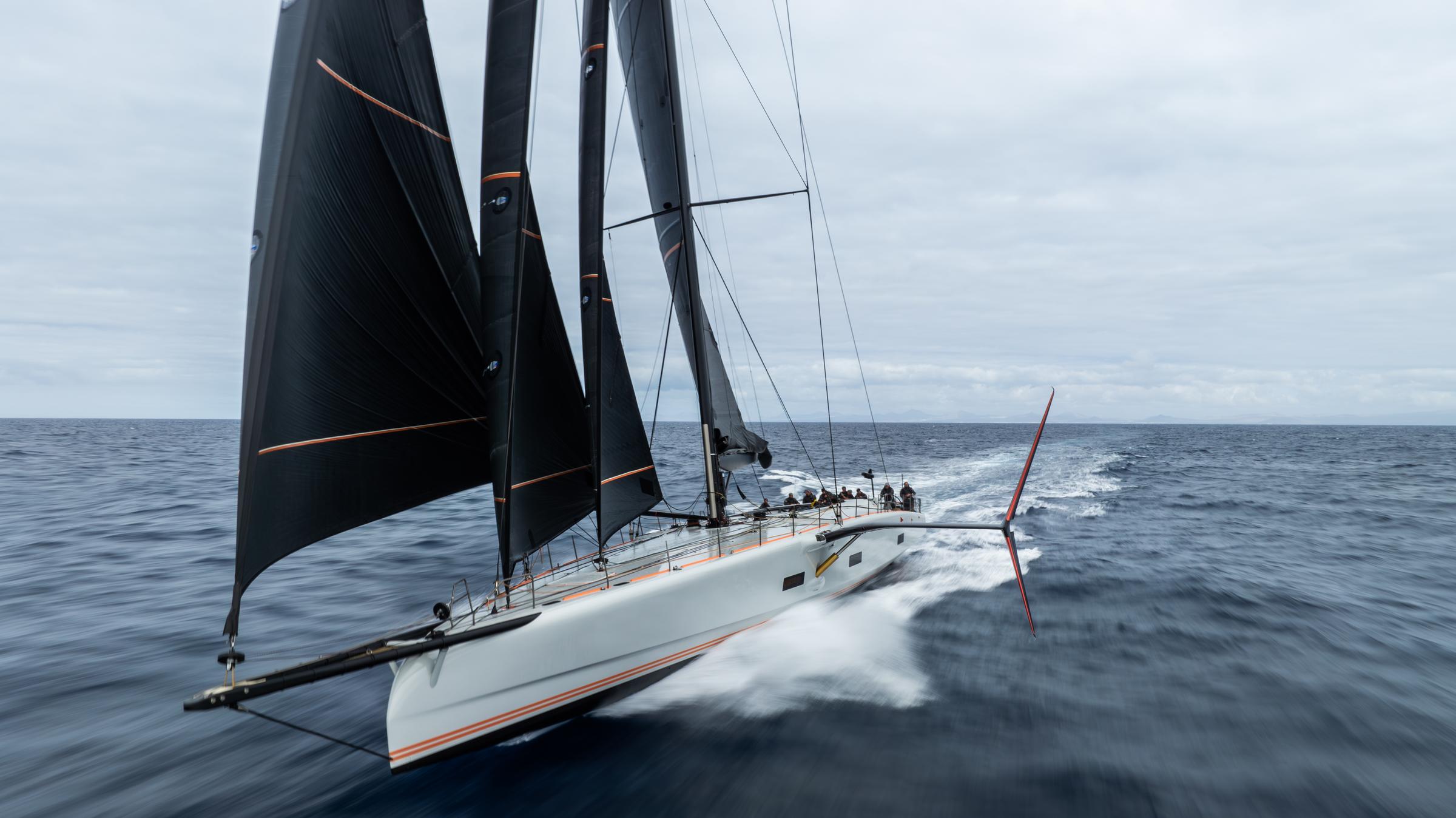
Lanzarote is once again preparing to take centre stage in international offshore sailing. This Sunday, 11 January, the 2026 RORC Transatlantic Race will start off Arrecife, sending the fleet west towards Antigua in the Caribbean on a course of nearly 3,000 nautical miles across the Atlantic.
Now in its twelfth edition, the race is organised by the Royal Ocean Racing Club in collaboration with the International Maxi Association and the Yacht Club de France, with Calero Marinas acting as host partner for the start from Marina Lanzarote. The event forms part of the RORC Season Points Championship, widely regarded as the most prestigious offshore racing circuit in the world.
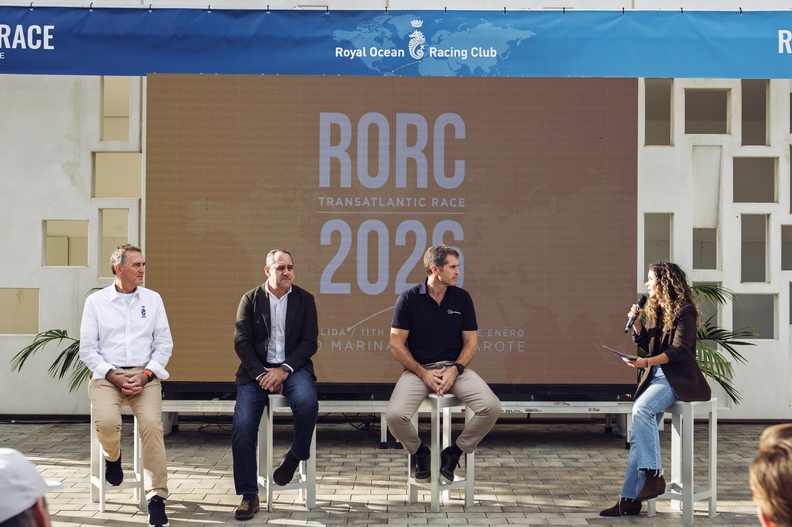
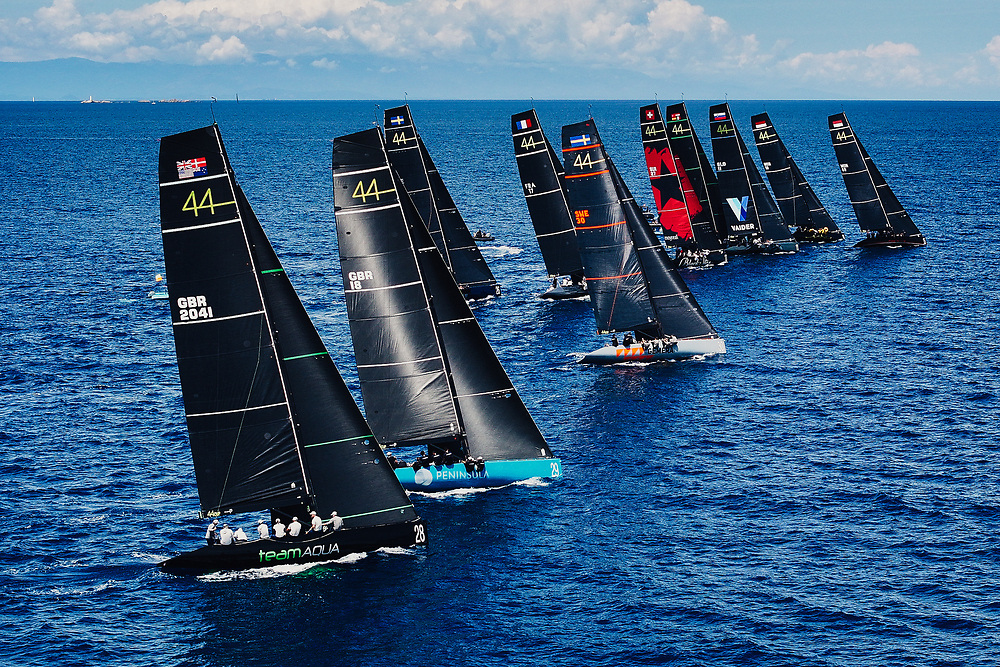
This year’s race brings together a fleet of 21 yachts, both monohulls and multihulls, crewed by around 150 sailors representing up to 19 nationalities. Amateur crews, Corinthian sailors and some of the most experienced figures in offshore racing will line up on the same start line, competing under the IRC rating system, which allows very different boats to race on equal terms for overall victory.
For more than a decade, Marina Lanzarote has established itself as a natural departure point for this Atlantic crossing. Its strategic location, reliable winter conditions and strong technical infrastructure have made the island a reference hub for teams preparing major offshore campaigns. Many of the boats taking part have spent weeks, and in some cases months, training and refining their systems in Lanzarote before committing to the crossing.
Once at sea, the race quickly becomes a true test of offshore skill and endurance. The primary target for most monohull teams is the RORC Transatlantic Race Trophy, awarded to the overall winner on IRC corrected time. Unlike line honours battles that focus purely on speed, IRC racing places equal emphasis on strategy, weather routing, reliability and crew performance over many days at sea. Since the inaugural edition in 2014, overall winners have ranged from smaller yachts to the largest in the fleet, underlining the open nature of the competition.
Among the boats attracting close attention is Palanad 4, a new 50-footer with a canting keel and scow bow, sailed by Antoine Magre. With previous success in the RORC Transatlantic Race and the Rolex Fastnet Race, Magre’s project arrives with clear ambitions and a proven understanding of what it takes to win over long distances.
The multihull division is expected to deliver one of the most intense duels of the race. MOD70 trimarans Argo and Zoulou headline the fleet, continuing a rivalry that has become a defining feature of recent editions. Capable of sustaining extraordinary speeds for days on end, these boats turn the Atlantic crossing into a high-speed tactical contest, where small gains in sail balance or foil performance can translate into significant advantages over thousands of miles.
There is also a compelling contest for monohull line honours. Baltic 111 Raven is widely expected to set the pace among the monohulls, bringing a highly advanced offshore design to her first fully competitive transatlantic campaign. Although Raven has already completed two Atlantic crossings, the 2026 race will be her first opportunity to test the entire project under sustained race pressure.
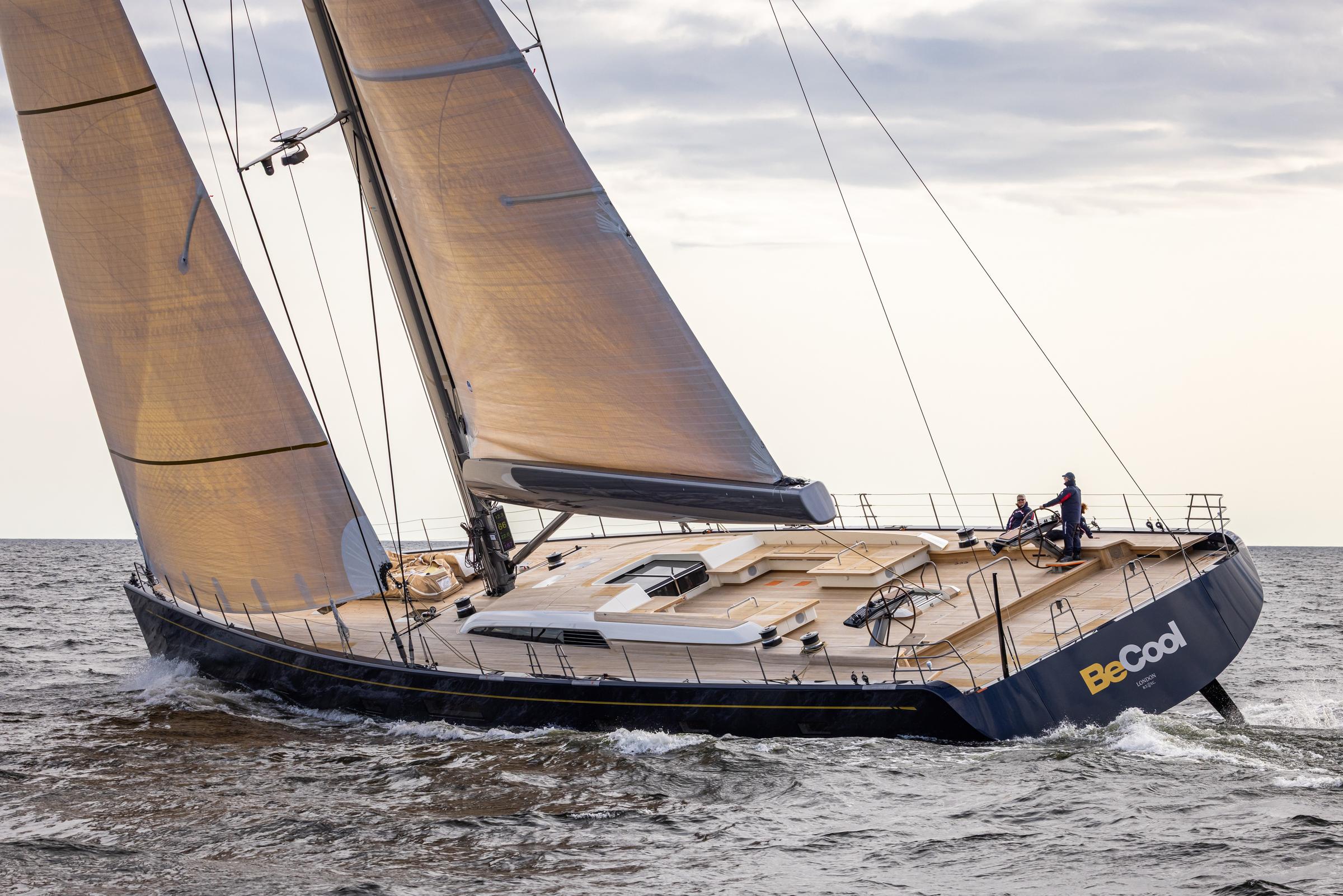
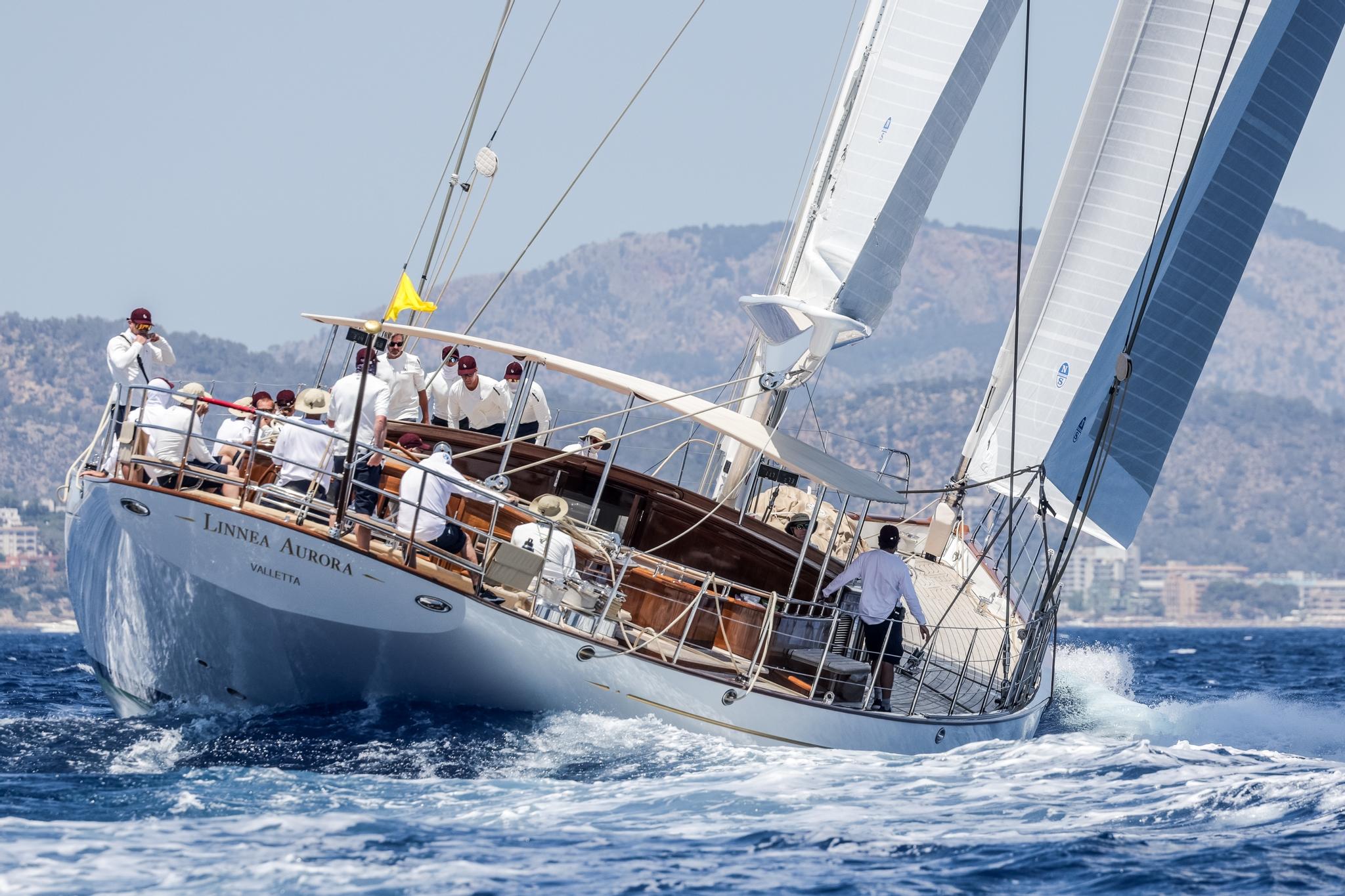
Large yachts add another dimension to the fleet. Swan 128 Be Cool will make her maiden transatlantic race appearance, combining refined power with the ability to maintain high average speeds while remaining comfortable offshore. Alongside her, Linnea Aurora, a 128ft Hoek-designed yacht with classic proportions and long overhangs, brings proven racing credentials after inshore success at the Superyacht Cup Palma. Both compete under IRC and for the Superyacht Class Trophy, highlighting how the RORC Transatlantic Race has become a genuine proving ground for superyachts that aim to race seriously, not simply cross oceans.
The finish in Antigua opens a new chapter for the race and creates fresh opportunities for both monohulls and multihulls to set new elapsed-time benchmarks. The Caribbean destination also allows teams to transition directly into a broader winter racing programme, including the RORC Nelson’s Cup Series and the RORC Caribbean 600 in February. For many crews, few forms of preparation are more effective than a full Atlantic crossing followed immediately by high-intensity racing in the Caribbean.
Sunday’s start promises to be a spectacle both on the water and from ashore. Following the start sequence off Arrecife, the fleet will round a turning mark off Puerto Calero before heading west into the Atlantic. A spectator boat will be available, alongside family-friendly activities, with all proceeds directed to the Observatorio de Basura Marina, reinforcing the event’s commitment to marine environmental protection.
With the fleet assembled and final preparations underway at Marina Lanzarote, anticipation is high ahead of the start. The RORC Transatlantic Race 2026 once again places Lanzarote firmly on the map of elite offshore sailing, marking the beginning of an Atlantic passage defined by ambition, endurance and the pursuit of performance at sea.