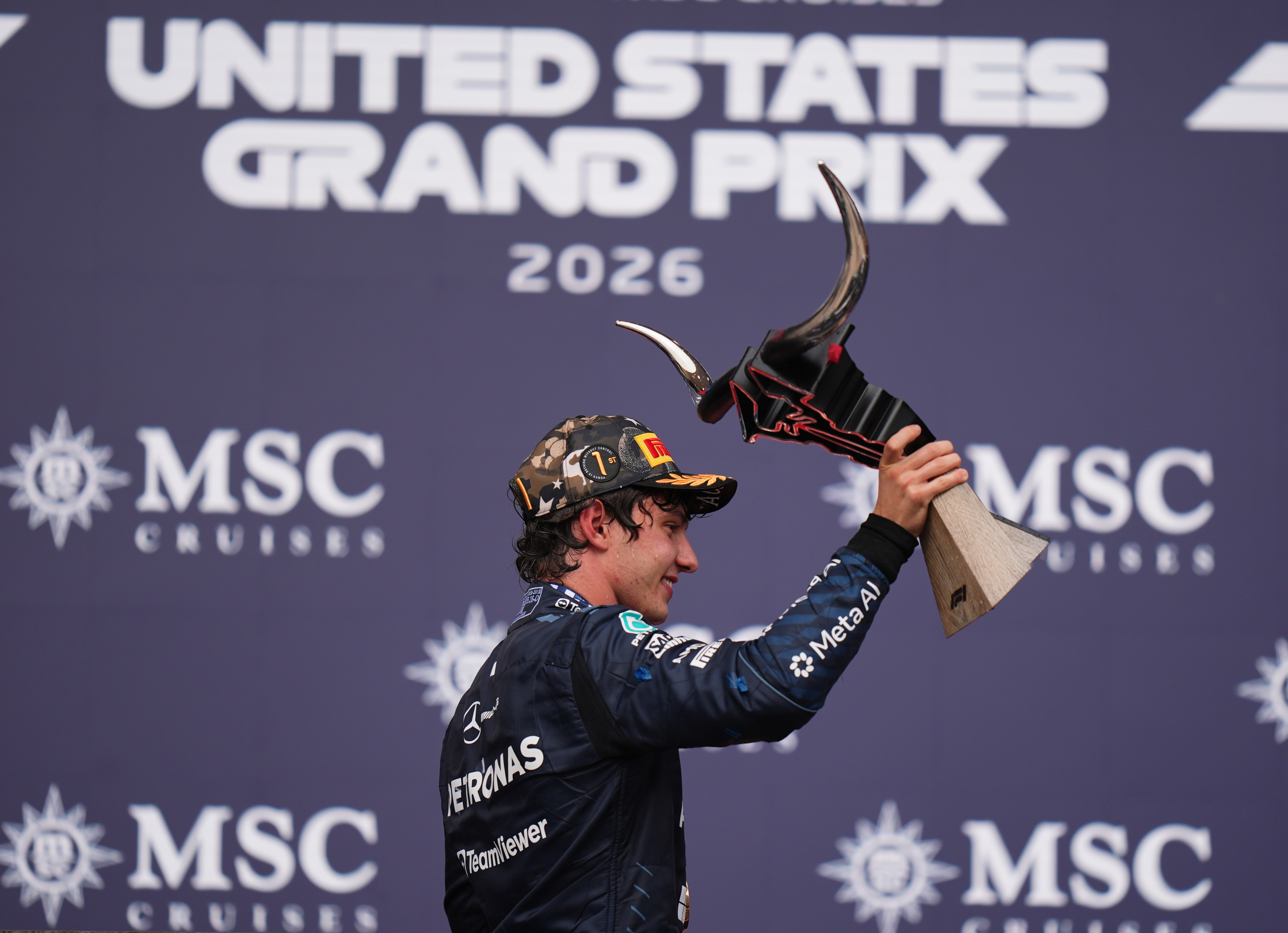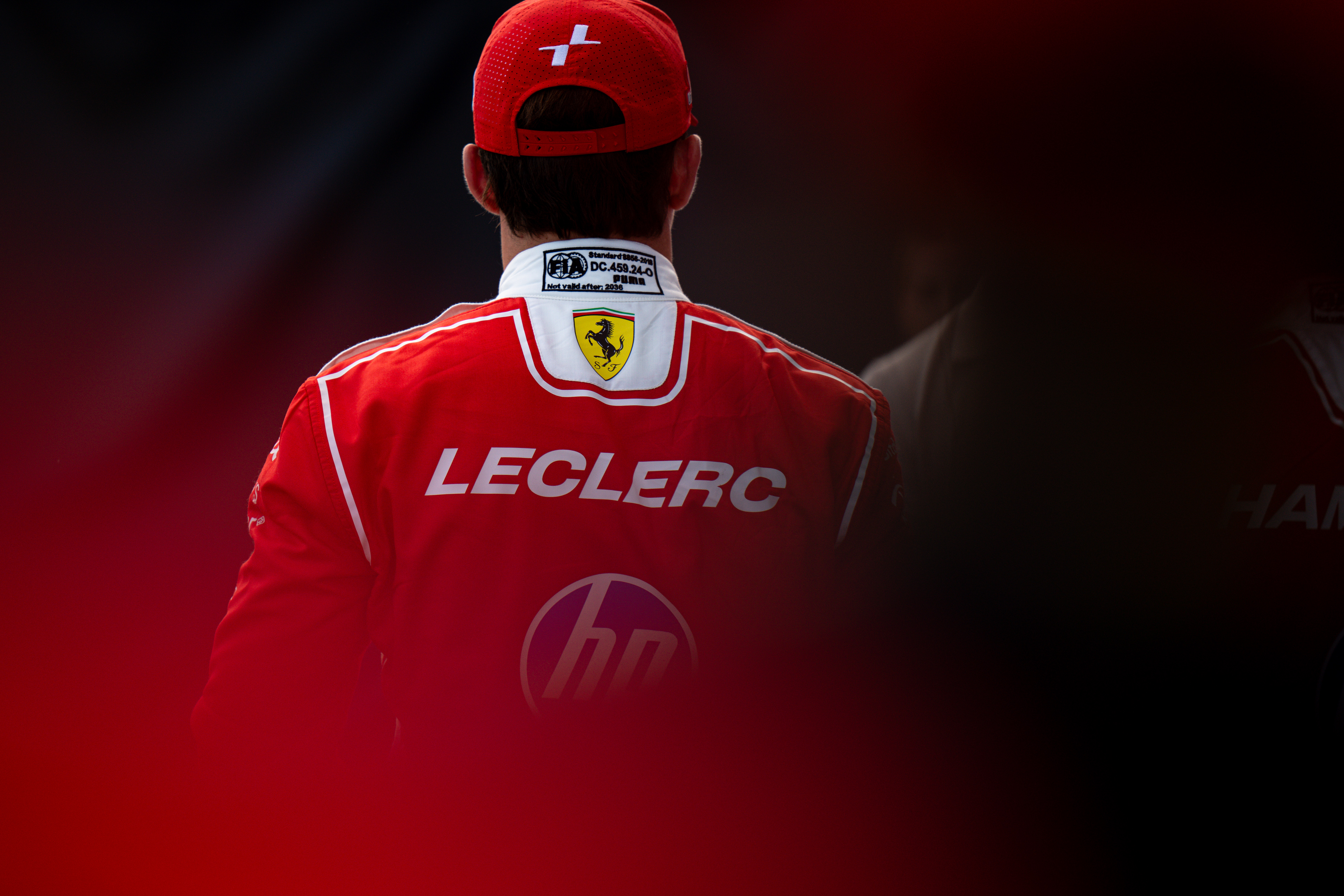
With the exception of Kimi Antonelli’s historic first world title and the inevitable buzz that followed, the last few weeks have been dominated by Ferrari, though not in the way the Scuderia would have wanted. With the team enduring a somewhat uneven run, attention has turned to its drivers.
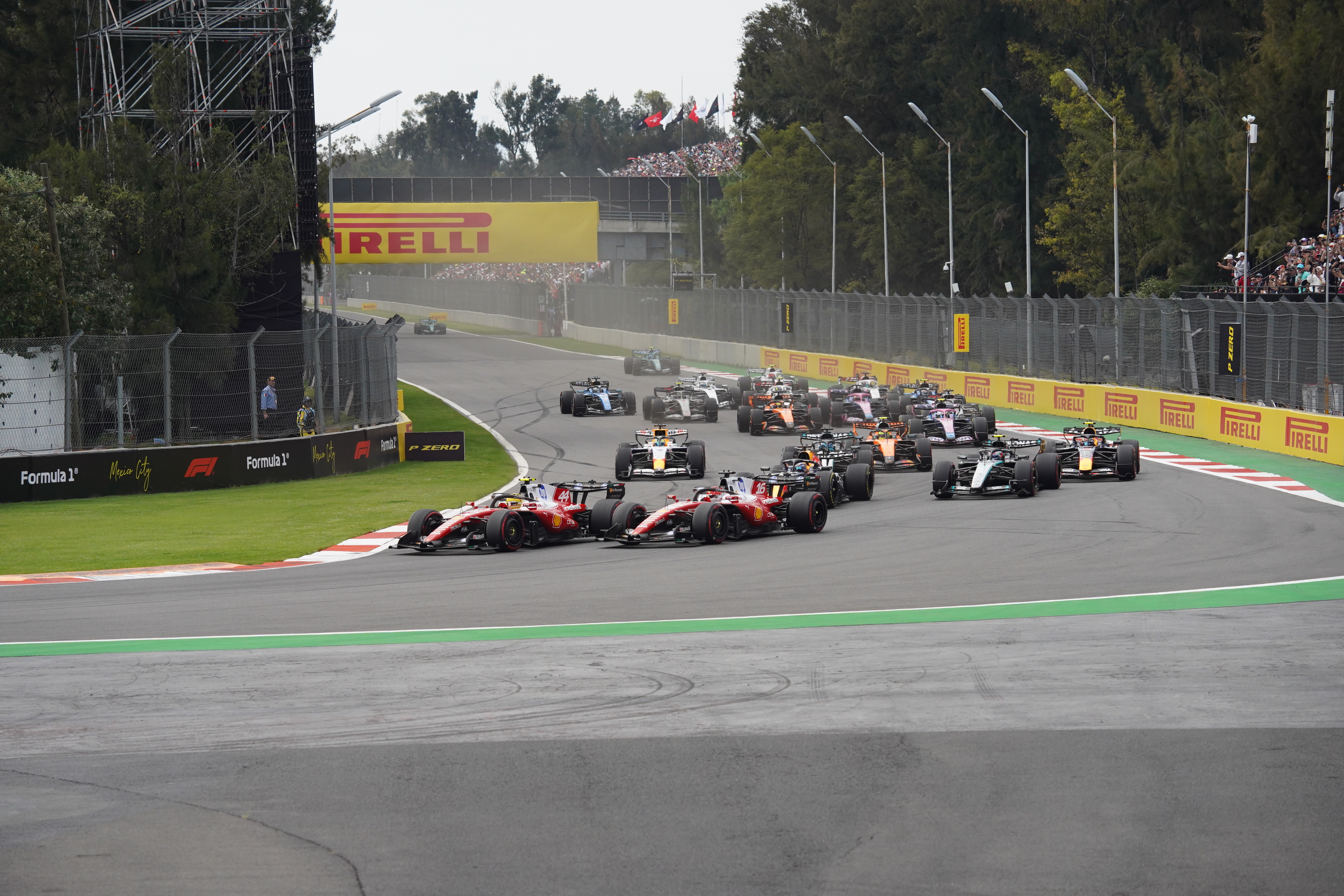
Charles Leclerc and Lewis Hamilton have come to blows on more than one occasion this season, and for months, debate has raged over what is to be done. Most arguments call for rules of engagement, a logical demand given their costly wheel-to-wheel exchanges, the most prominent of which took place in Mexico, while others favour a more extreme approach: a clear number one and number two dynamic.
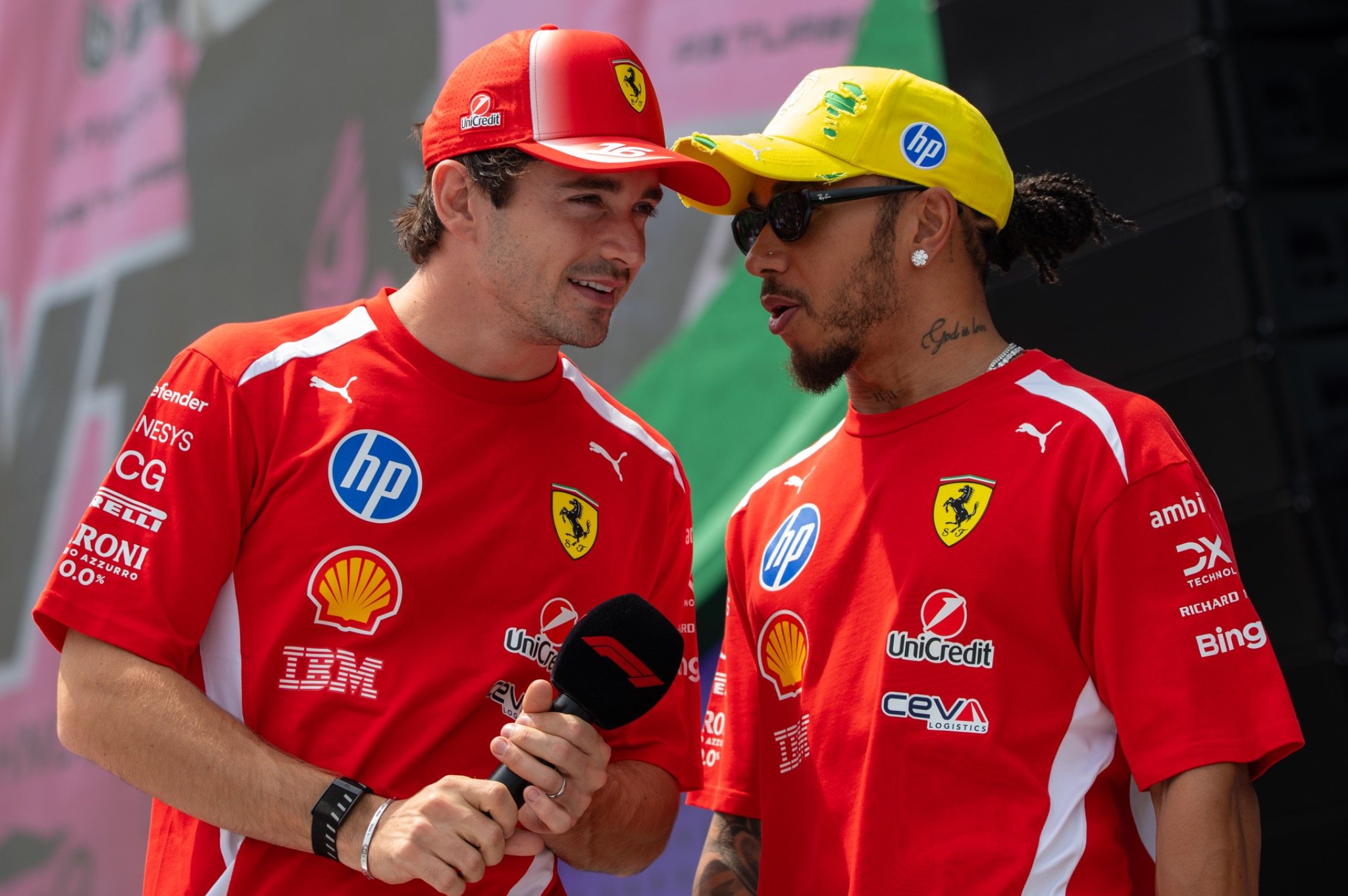
For Ferrari, driver management has been a persistent and at times uncertain issue. In contrast to Red Bull’s clear prioritisation of Max Verstappen and McLaren’s steadfast refusal to play favourites, the Scuderia has often flitted between the two. Michael Schumacher was the clear number one during his spell with the team, as was Fernando Alonso. Sebastien Vettel enjoyed the same luxury for a while before Leclerc came along in 2019. During their two years together, the pair were forced to obey team orders. There were also occasions when they raced each other hard and, in the case of that year’s Brazilian Grand Prix, took things a step too far.
Not only has there been no clear answer as to who the lead driver is between Hamilton and Leclerc (a near impossibility given their form), but Ferrari is yet to publicly disclose what, if any, terms they need to adhere to when jostling on track. At the time of writing, Hamilton leads Leclerc by 12 points with three rounds to go. Both drivers have been hit by bad luck, with Hamilton encountering problems in Madrid and Brazil, and Leclerc being compromised by hydraulic failure in Barcelona.
The drivers’ championship is out of the question, but that hasn’t stopped people from calling for the prioritisation of Hamilton, given his impressive form and slim points buffer.
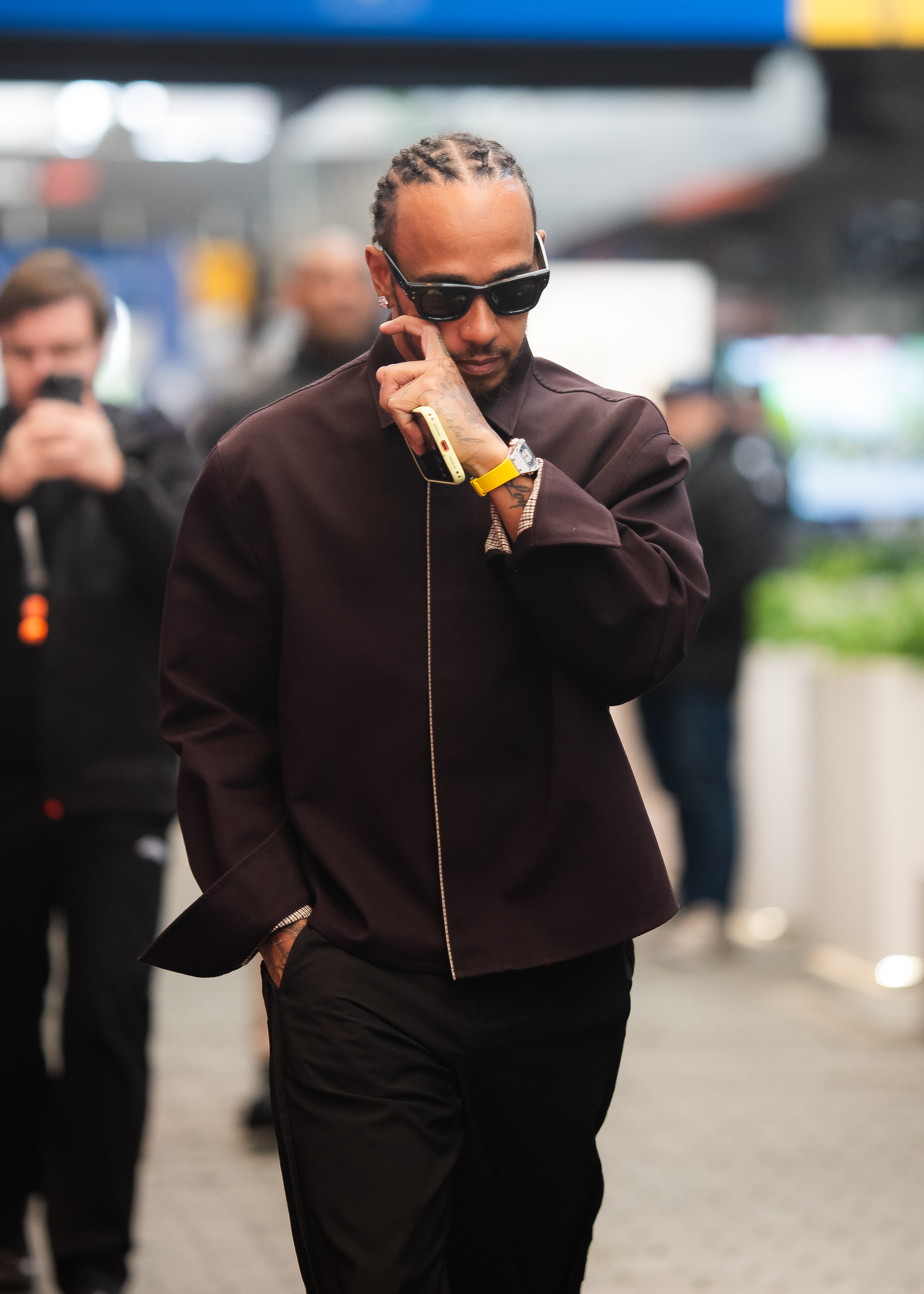
There’s every chance this conversation could evolve drastically within the next year, but as things stand, at this stage of the season, the neutering of any on-track action makes little to no sense. As previously stated, the drivers’ title is now Antonelli’s; second place in the constructors will likely be sealed the very next race in Las Vegas and that 12-point gap is minute when considering the 75 points that are still on the table.
It would be foolish not to have parameters in place dictating how the pair should treat each other on track (particularly when big points are at stake), but calling for a truce at this late stage of the season is questionable, to say the least. There’s virtually no risk of slipping to third in the constructors' championship, and both drivers are in contention for second place in the drivers' championship. If anything, this is the perfect time to let them race, given how little there is to lose.
But what of the future?
There are those who argue that Hamilton’s 2026 campaign serves as proof of his continued form and that he deserves the role of lead driver should a possible title shot emerge. But while a brief look at the points table confirms this, the reality is far less straightforward.
Before the inevitable allegations of bias start flying, a few things must be made clear.
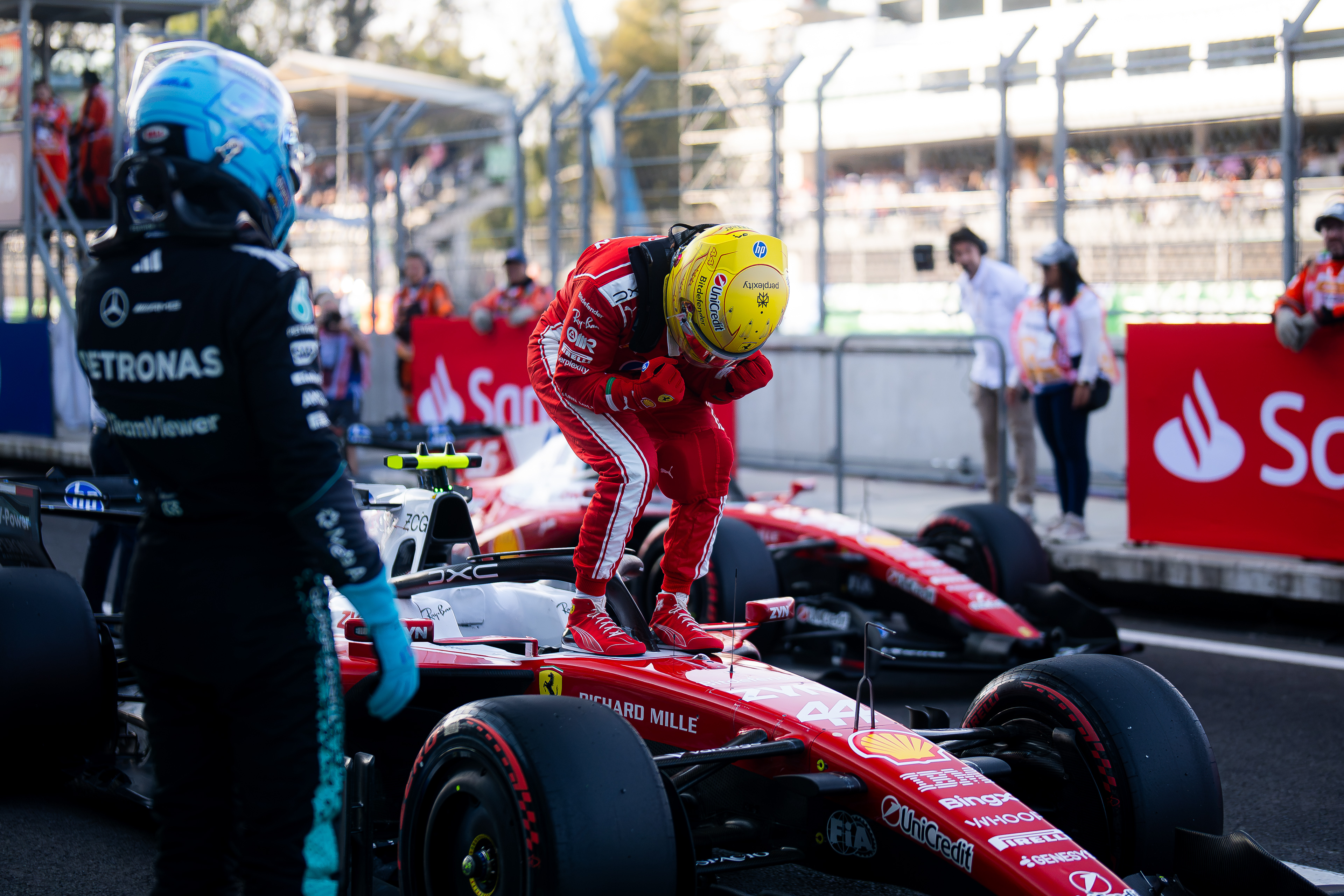
Hamilton has had a remarkable 2026 campaign. After a miserable first season in red, by almost every metric the worst of his career, the seven-time world champion has hit back in some style. Clearly at ease with this new generation of car, Hamilton claimed that long-awaited first Ferrari podium at only the second time of asking in China, there was that memorable first win in Spain as well as his first pole position for the team in Mexico, the 105th of his career. In addition to building on his formidable race pace, Hamilton has exorcised the qualifying demons of 2025 and has been Ferrari’s most consistent driver.
That said, the criticism with which Leclerc has been saddled has gotten out of hand. There’s no denying the fact that he was predominantly to blame for that reckless lunge in Mexico, as well as for forcing his teammate wide at Monza. But it's impossible to absolve Hamilton of all blame in either case. He was responsible for his own off-track excursion in Mexico and, if Leclerc is to be criticised for even attempting such a move on his teammate (particularly on the very first lap), then Hamilton’s decision to try and pass Leclerc around the outside of Monza’s notoriously tight turn two has to be called into question.
There’s every chance this could be a sign of things to come. Hamilton may well continue to defy precedent, logic and age and maintain this form throughout 2027; should that persist, the Ferrari landscape could look very different in six months’ time, particularly if Leclerc’s inconsistency and unforced errors (such as those in Miami and Monza) continue.
But when examining 2026 in isolation, it's worth bearing in mind the fact that, while Hamilton has had a commendable renaissance season, this has arguably been the weakest individual performance of Leclerc’s entire F1 career.
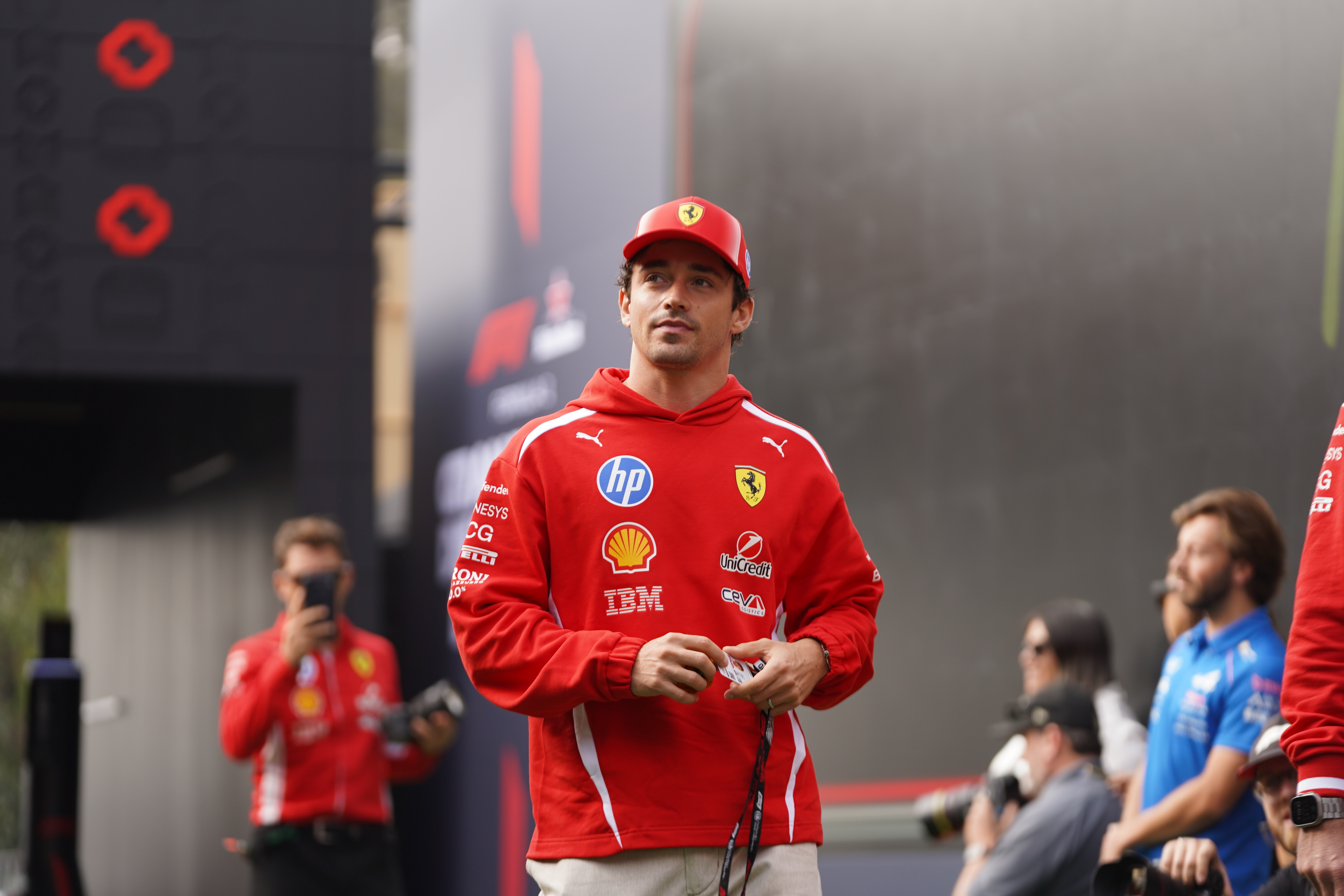
And yet, at the time of writing, Leclerc currently leads the qualifying head-to-head 11-9 and is edging out Hamilton in the race head-to-head 9-8. If this is what a patchy Leclerc is capable of, it’s not hard to imagine what the Monegasque can do at his brilliant best. He may have only won nine races in as many years, but that stat is almost entirely down to circumstances outside of his control. Just as Hamilton only winning three races since the start of 2022 is more a result of inadequate machinery than it is poor form.
Team principal Fred Vasseur is currently facing one of the toughest challenges of his career. Managing two hungry, front-running drivers is no small feat (just ask Toto Wolff), and while there’s no reason to stop them racing each other for the rest of the season, conversations over how they do so will be necessary if Ferrari is to avoid a fractured and potentially hostile future.